
BK Technologies' Cybersecurity Incident: Governance and Resilience Under Scrutiny
In an era where cyber threats increasingly test corporate resilience, BK Technologies' recent SEC filing on suspicious IT activity offers a case study in how governance frameworks and risk management strategies can mitigate reputational and financial fallout. The company's disclosure of a cybersecurity incident detected on September 20, 2025, and reported on October 6, 2025, underscores the delicate balance between transparency and operational continuity, according to an SEC filing. For investors, the incident raises critical questions about the effectiveness of BK Technologies' cybersecurity protocols and its broader corporate governance practices.
The Incident: A Test of Resilience
According to the SEC filing, BK TechnologiesBKTI-- identified unauthorized access to non-public records, potentially including employee data, and swiftly isolated affected systems. The company engaged external cybersecurity advisors and law enforcement, while restoring access to impacted information. While operations continued "in all material respects," the incident highlights vulnerabilities in even well-prepared organizations. Notably, BK Technologies emphasized that insurance would cover a "significant portion" of containment and remediation costs, reducing direct financial exposure. This aligns with a growing trend among firms to hedge against cyber risks through specialized insurance policies, a strategy that could appeal to risk-averse investors.
Governance in Action: Structure vs. Execution
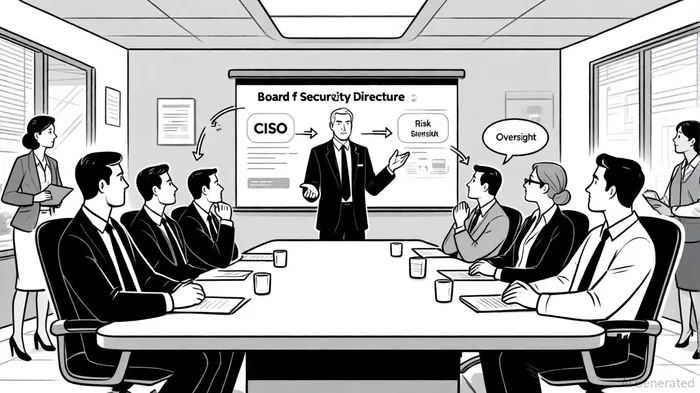
BK Technologies' 2025 10-K filing reveals a governance model designed to preempt such crises. The Board of Directors maintains ultimate oversight of cybersecurity risks, with the Audit Committee conducting regular reviews of the company's cybersecurity program. A dedicated Chief Information Security Officer (CISO), reporting directly to the CEO, ensures real-time communication with the Board and Audit Committee. Additionally, the company retains a cybersecurity expert consultant to evaluate threats and employs Zero-Trust Architecture (ZTA) frameworks, reflecting alignment with 2025 industry standards.
However, the recent incident suggests gaps between policy and execution. While the company's rapid response-including isolating systems and engaging external experts-demonstrates preparedness, the breach itself indicates potential weaknesses in threat detection or perimeter security. For instance, the fact that a third party was involved raises questions about third-party risk management, a critical component of modern cybersecurity governance.
Investor Implications: Risk, Reputation, and Resilience
For investors, BK Technologies' handling of the incident presents a mixed picture. On one hand, the company's governance structure-complete with board-level oversight, insurance coverage, and adherence to frameworks like NIST-signals a mature approach to risk management. On the other, the breach itself, though limited in scope, could erode customer trust and invite regulatory scrutiny.
A key consideration is the company's ability to learn from this event. As noted in the 10-K, BK Technologies conducts security awareness training and implements monitoring systems to manage third-party risks. If these measures are enhanced post-incident-such as by tightening access controls or expanding threat intelligence capabilities-the company could emerge stronger. Conversely, a failure to address systemic vulnerabilities may expose it to future attacks, particularly as cybercriminals increasingly target mid-sized firms with valuable data but less robust defenses than Fortune 500 companies.
Conclusion: Governance as a Competitive Advantage
BK Technologies' cybersecurity incident is a reminder that no system is impenetrable. Yet, the company's swift response, transparent disclosure, and existing governance infrastructure suggest a commitment to resilience that could reassure investors. While the breach may not materially impact financial results, as the company claims in the filing, the reputational and operational risks remain. For now, BK Technologies' ability to turn this challenge into a demonstration of governance excellence will likely determine its long-term credibility in a market where cybersecurity is no longer optional-it is existential.





Comentarios
Aún no hay comentarios