
Bitcoin Slides as US-China Trade War Escalation Rattles Markets
Generado por agente de IAHarrison Brooks
martes, 4 de febrero de 2025, 3:37 am ET2 min de lectura
BTC--
Bitcoin, the world's leading cryptocurrency, has experienced a significant downturn in recent days as escalating geopolitical tensions between the United States and China have rattled global markets. The ongoing trade war between the two superpowers has led to increased uncertainty and risk aversion among investors, driving down the price of Bitcoin and other risk assets.
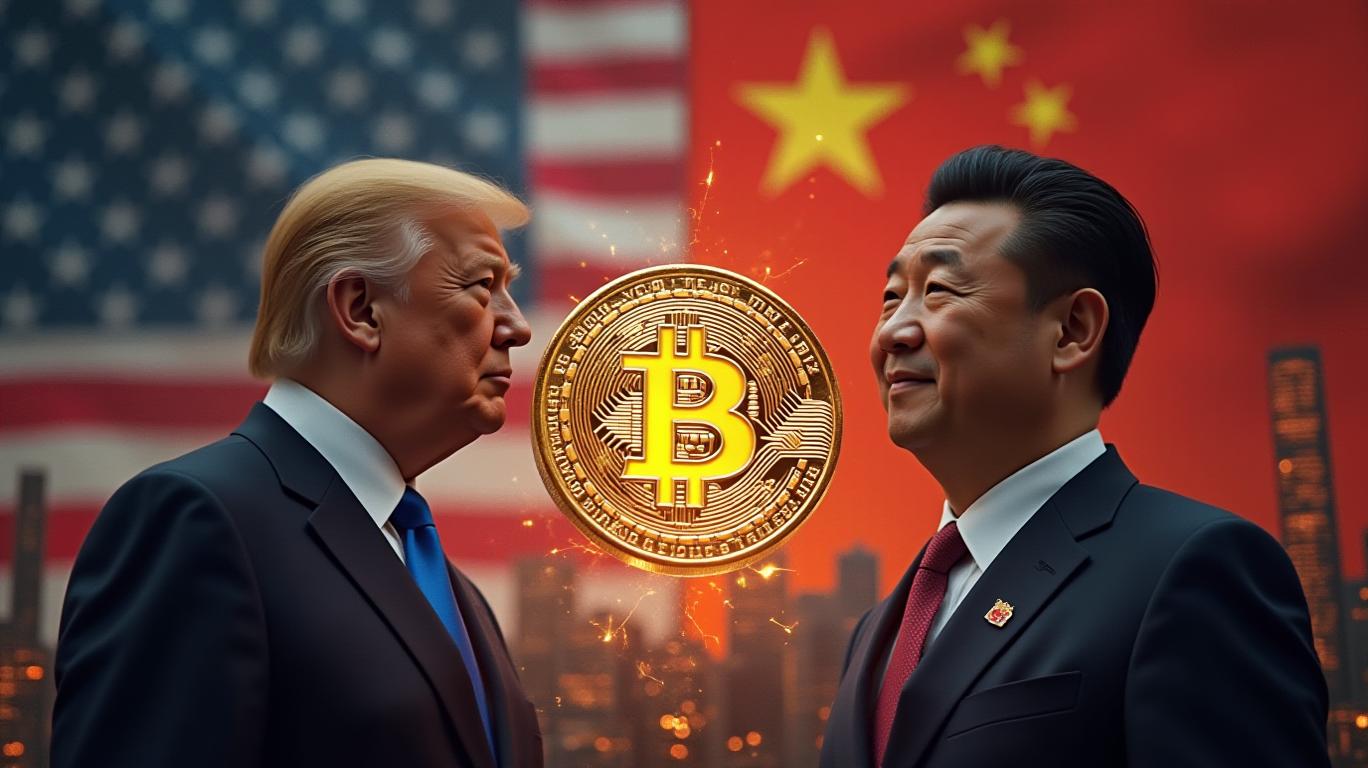
The escalating US-China trade war has had a profound impact on Bitcoin's price volatility compared to other risk assets. According to a study by Grayscale, Bitcoin gained 47% during the period from May 5-31, 2019, while the next best-performing asset, the Japanese yen, gained only 2.1%. This outperformance highlights Bitcoin's potential as a safe-haven asset during times of geopolitical instability.
However, it is essential to note that Bitcoin's price volatility remains higher than that of traditional safe-haven assets like gold. This higher volatility may be attributed to Bitcoin's relatively young age as an investable asset and its still-evolving regulatory environment. As Bitcoin continues to mature and gain wider acceptance, its price volatility may decrease, further solidifying its status as a safe-haven asset.
Geopolitical tensions play a significant role in shaping investor sentiment towards Bitcoin, as seen in the recent conflict between Israel and Iran. The missile strikes led to a sharp decline in Bitcoin's price, with over half a billion dollars in liquidations across crypto exchanges, and the crypto fear and greed index dropping from "greed" to "fear" almost instantly. Historically, Bitcoin has shown resilience during geopolitical crises, but the current instability in multiple regions raises questions about its status as a safe-haven asset.
To navigate these dynamics and make informed decisions, investors should:
1. Stay informed about geopolitical events: Monitoring news and trends related to geopolitical events that could impact Bitcoin prices is crucial. Following legitimate sources and staying updated on regulatory changes can help investors anticipate market moves.
2. Diversify their portfolio: Diversification remains a fundamental strategy to manage risks. Allocating a part of the investment portfolio to Bitcoin and other cryptocurrencies, along with traditional assets like stocks and bonds, can help mitigate the effect of geopolitical volatility.
3. Consider US investor demand: Despite geopolitical tensions, strong demand from US-based investors can signal an impending short-term increase in Bitcoin's price. The Coinbase Premium Index, which indicates an increase in buying activity on Coinbase, can be a useful indicator for investors.
4. Monitor exchange outflows: Large outflows of Bitcoin from exchanges can indicate that investors are moving their assets into private wallets, reducing supply available for trading. This behavior suggests confidence among holders about long-term prospects, which could set the stage for upward pressure on prices.
In conclusion, the escalating US-China trade war has had a significant impact on Bitcoin's price volatility compared to other risk assets, with Bitcoin often outperforming traditional safe-haven assets during periods of geopolitical uncertainty. However, its higher volatility compared to traditional safe-haven assets like gold suggests that Bitcoin's status as a safe-haven asset is still evolving. As Bitcoin matures and gains wider acceptance, its price volatility may decrease, further cementing its role as a safe-haven asset. Investors should stay informed about geopolitical events, diversify their portfolios, consider US investor demand, and monitor exchange outflows to navigate the volatile crypto market effectively.
COIN--
Bitcoin, the world's leading cryptocurrency, has experienced a significant downturn in recent days as escalating geopolitical tensions between the United States and China have rattled global markets. The ongoing trade war between the two superpowers has led to increased uncertainty and risk aversion among investors, driving down the price of Bitcoin and other risk assets.
The escalating US-China trade war has had a profound impact on Bitcoin's price volatility compared to other risk assets. According to a study by Grayscale, Bitcoin gained 47% during the period from May 5-31, 2019, while the next best-performing asset, the Japanese yen, gained only 2.1%. This outperformance highlights Bitcoin's potential as a safe-haven asset during times of geopolitical instability.
However, it is essential to note that Bitcoin's price volatility remains higher than that of traditional safe-haven assets like gold. This higher volatility may be attributed to Bitcoin's relatively young age as an investable asset and its still-evolving regulatory environment. As Bitcoin continues to mature and gain wider acceptance, its price volatility may decrease, further solidifying its status as a safe-haven asset.
Geopolitical tensions play a significant role in shaping investor sentiment towards Bitcoin, as seen in the recent conflict between Israel and Iran. The missile strikes led to a sharp decline in Bitcoin's price, with over half a billion dollars in liquidations across crypto exchanges, and the crypto fear and greed index dropping from "greed" to "fear" almost instantly. Historically, Bitcoin has shown resilience during geopolitical crises, but the current instability in multiple regions raises questions about its status as a safe-haven asset.
To navigate these dynamics and make informed decisions, investors should:
1. Stay informed about geopolitical events: Monitoring news and trends related to geopolitical events that could impact Bitcoin prices is crucial. Following legitimate sources and staying updated on regulatory changes can help investors anticipate market moves.
2. Diversify their portfolio: Diversification remains a fundamental strategy to manage risks. Allocating a part of the investment portfolio to Bitcoin and other cryptocurrencies, along with traditional assets like stocks and bonds, can help mitigate the effect of geopolitical volatility.
3. Consider US investor demand: Despite geopolitical tensions, strong demand from US-based investors can signal an impending short-term increase in Bitcoin's price. The Coinbase Premium Index, which indicates an increase in buying activity on Coinbase, can be a useful indicator for investors.
4. Monitor exchange outflows: Large outflows of Bitcoin from exchanges can indicate that investors are moving their assets into private wallets, reducing supply available for trading. This behavior suggests confidence among holders about long-term prospects, which could set the stage for upward pressure on prices.
In conclusion, the escalating US-China trade war has had a significant impact on Bitcoin's price volatility compared to other risk assets, with Bitcoin often outperforming traditional safe-haven assets during periods of geopolitical uncertainty. However, its higher volatility compared to traditional safe-haven assets like gold suggests that Bitcoin's status as a safe-haven asset is still evolving. As Bitcoin matures and gains wider acceptance, its price volatility may decrease, further cementing its role as a safe-haven asset. Investors should stay informed about geopolitical events, diversify their portfolios, consider US investor demand, and monitor exchange outflows to navigate the volatile crypto market effectively.

Divulgación editorial y transparencia de la IA: Ainvest News utiliza tecnología avanzada de Modelos de Lenguaje Largo (LLM) para sintetizar y analizar datos de mercado en tiempo real. Para garantizar los más altos estándares de integridad, cada artículo se somete a un riguroso proceso de verificación con participación humana.
Mientras la IA asiste en el procesamiento de datos y la redacción inicial, un miembro editorial profesional de Ainvest revisa, verifica y aprueba de forma independiente todo el contenido para garantizar su precisión y cumplimiento con los estándares editoriales de Ainvest Fintech Inc. Esta supervisión humana está diseñada para mitigar las alucinaciones de la IA y garantizar el contexto financiero.
Advertencia sobre inversiones: Este contenido se proporciona únicamente con fines informativos y no constituye asesoramiento profesional de inversión, legal o financiero. Los mercados conllevan riesgos inherentes. Se recomienda a los usuarios que realicen una investigación independiente o consulten a un asesor financiero certificado antes de tomar cualquier decisión. Ainvest Fintech Inc. se exime de toda responsabilidad por las acciones tomadas con base en esta información. ¿Encontró un error? Reportar un problema


SOBRE NOSOTROS
Nuestra historiaAutores de noticiasBase de conocimientosPolítica de privacidadTérmino de usoDescargo de responsabilidad de corretaje de tercerosTérminos de uso de AIMEDivulgaciones de riesgos de AInvest AICarrerasCONTÁCTENOS
Email: support@ainvest.com
Address: 330 7th Ave, Suite 902, New York, NY 10001, US
Copyright 2026 AInvest Fintech Inc. All rights reserved.


Comentarios
Aún no hay comentarios