
Bitcoin's Sharp Correction: A Buying Opportunity or a Warning Sign?
Macroeconomic Triggers: The Fed's Tightrope and Inflationary Pressures
The Federal Reserve's cautious approach to rate cuts has been a key driver of Bitcoin's volatility. Boston Fed President Susan Collins has emphasized that monetary policy remains in a "mildly restrictive range," with persistent inflation above the 2% target and a softening labor market complicating decisions. Investors are bracing for a fragmented policy outlook, as FOMC members remain divided on whether to cut rates in December 2025. This uncertainty has amplified risk-off sentiment, with Bitcoin ETF outflows exacerbating the sell-off.
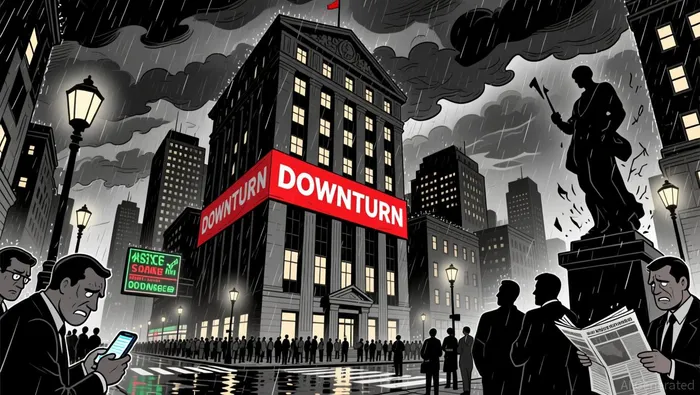
Meanwhile, inflation remains a stubborn headwind. While the Fed's dual mandate of price stability and employment growth is under scrutiny, broader global liquidity trends-such as the expansion of the U.S. M2 money supply-continue to correlate with Bitcoin's price movements according to research. However, inflation-driven volatility has also created opportunities for alternative assets, particularly those perceived as hedges against currency debasement.
Risk Asset Reallocation: From BitcoinBTC-- to Altcoins and AI-Driven DeFi
As Bitcoin's dominance waned, capital has flowed into other corners of the crypto ecosystem. DeFi projects like Mutuum Finance (MUTM) have attracted significant attention, with its presale raising $18.9 million and token price surging 600% from early phases. This shift reflects a broader reallocation within crypto rather than a complete exodus to traditional assets. Platforms like SSEA AI are further reshaping the landscape, using machine learning to optimize XRPXRP-- portfolios and automate cross-chain strategies. These innovations suggest that investor interest in crypto remains robust, albeit redistributed.
Gold and equities, traditional safe havens, have also seen inflows. However, the data does not explicitly confirm a large-scale shift to these assets during Bitcoin's correction. Instead, the focus appears to be on high-growth altcoins and DeFi infrastructure, which offer both speculative appeal and technological differentiation.
Bullish vs. Bearish Narratives: Institutional Confidence vs. Macro Risks
The bearish case hinges on macroeconomic fragility. Geopolitical risks-such as the Israel-Iran conflict and U.S.-China trade tensions-have historically triggered short-term selloffs in risk assets. Additionally, Trump-era tariffs have introduced inflationary pressures, complicating the Fed's rate-cutting timeline. Technical indicators, including Bitcoin's break below its 50-week moving average and key support levels, reinforce concerns about a prolonged downturn.
Conversely, bullish arguments emphasize institutional adoption and long-term structural trends. Michael Saylor of MicroStrategy, whose company holds over $71 billion in Bitcoin, predicts a rebound to $150,000 by year-end and a eventual $1 million price tag within four to eight years. His optimism is rooted in Bitcoin's maturing market infrastructure, including derivatives and risk-management tools, which are making it a viable store of value for institutional portfolios.
Conclusion: A Buying Opportunity with Caveats
Bitcoin's correction is neither a clear warning sign nor a guaranteed buying opportunity-it is a complex interplay of macroeconomic forces and evolving investor behavior. While the Fed's policy uncertainty and geopolitical risks justify caution, the reallocation of capital into altcoins and AI-driven DeFi projects highlights crypto's resilience. For investors, the key lies in balancing short-term volatility with long-term narratives. If the Fed eventually cuts rates and global growth stabilizes, Bitcoin could rebound. However, those who buy during the correction must remain vigilant against potential shocks, such as renewed inflation or geopolitical flare-ups.
In the end, Bitcoin's price action will likely mirror the broader macroeconomic environment. For now, the market is testing whether this correction is a buying opportunity-or a harbinger of deeper challenges.






Comentarios
Aún no hay comentarios