
"Bitcoin Revolutionizes Gaming Economies: Faster, Global, and Trustless"
The Role of Bitcoin in the Evolution of Gaming Economies
The gaming industry, like many others, is experiencing a rapid transformation driven by the rise of cryptocurrencies. Bitcoin, as one of the most popular and widespread digital tokens, has become an integral part of online gaming payments. Its decentralized, secure, and high-speed network allows for convenient transactions, opening up new opportunities for both players and online casino operators.
Bitcoin's application in the gaming industry is particularly evident in online baccarat, one of the most played games worldwide. The use of cryptocurrency enables instant transactions, simplifying account top-ups and withdrawals. This allows players to manage their bankrolls more effectively and respond quickly to gameplay changes. Additionally, the transparency of cryptocurrency technologies and Bitcoin's global nature have significantly increased trust levels among players, eliminating traditional currency limitations.
Cryptocurrencies are now being incorporated into various gaming platforms as tokens, offering players new financial transaction opportunities. This move not only speeds up payments in online casinos and other gaming platforms but also attracts a greater number of active players by providing global access to games, unlike traditional financial tools that often create regional restrictions.
Bitcoin's innovative functionality within the gaming industry enables players from different countries to participate in the global gaming process without limitations. This fosters the formation of an international gaming community and serves as a catalyst for cross-cultural interaction, making the gaming process dynamic, exciting, and accessible to all.
To understand Bitcoin's impact on the modern gaming economy, it's essential to examine its history. Gaming economies began with simple slot machines and arcades, where players bought coins for real money. The introduction of home gaming consoles and computers, followed by online games, led to a shift from one-time investments to regular microtransactions. This change was made possible by the internet and electronic payment systems, which provided a new way for players to handle gaming platforms.
The emergence of cryptocurrency tokens like Bitcoin introduced the principle of decentralization into the gaming economy ecosystem. Cryptocurrencies offered players and operators the ability to make instant and secure transactions without intermediaries, resulting in a more transparent and faster flow of funds. The next phase of the gaming economy is expected to be marked by the full-scale integration of blockchain technology, which could drastically change the management of virtual assets.
Bitcoin's rapid integration into the gaming economy is driven by several advantages, including instant transactions 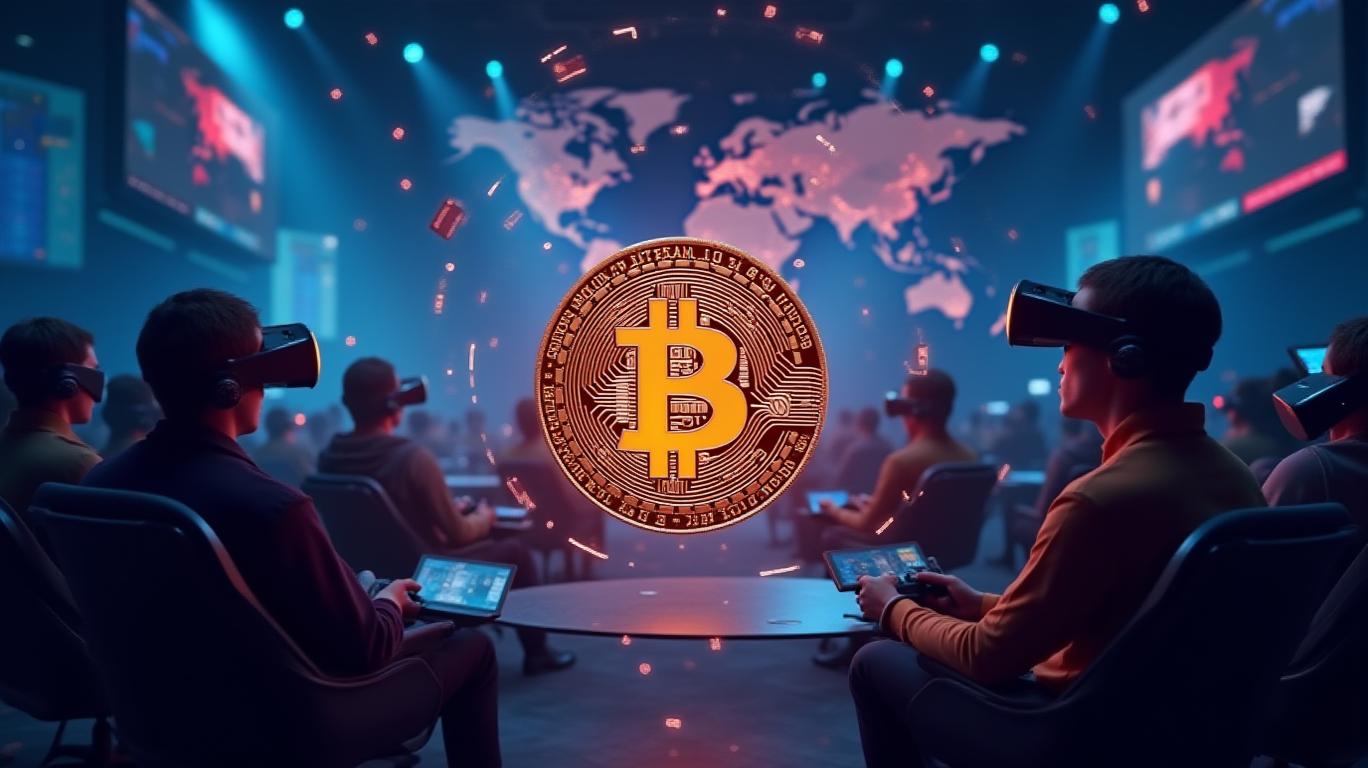






Comentarios
Aún no hay comentarios