
Bitcoin Plunges Below $85,000 as Trump's EU Tariff Threats Loom
Generado por agente de IAWesley Park
miércoles, 26 de febrero de 2025, 3:26 pm ET2 min de lectura
BTC--
Bitcoin, the world's most popular cryptocurrency, has taken a nosedive, tumbling below the $85,000 mark amid escalating geopolitical tensions and President Trump's EU tariff threats. The digital asset, which had been on a tear throughout much of 2021, has now shed over 15% of its value in just a few short weeks. So, what's behind this sudden reversal of fortune, and what does it mean for investors?

First, let's address the elephant in the room: President Trump's recent tariff threats against the European Union. The U.S. President has been vocal about his desire to protect American industries and has not hesitated to use tariffs as a tool to achieve his goals. However, these protectionist policies have not gone unchallenged, with the EU threatening retaliation if the U.S. follows through on its threats. This geopolitical uncertainty has created a ripple effect, impacting not only traditional markets but also the cryptocurrency landscape.
As the U.S. and EU engage in a game of brinkmanship, investors have been fleeing riskier assets, such as Bitcoin, in favor of safer havens like gold and government bonds. This shift in investor sentiment has contributed to the recent sell-off in the cryptocurrency market, with Bitcoin being the most prominent casualty.
But it's not just geopolitical tensions that have spooked investors. The recent surge in inflation and concerns about the Federal Reserve's monetary policy have also played a role in Bitcoin's decline. As the U.S. central bank grapples with how to manage rising prices without stifling economic growth, investors have been left to wonder whether the Fed will raise interest rates more aggressively than expected, potentially dampening demand for riskier assets like Bitcoin.
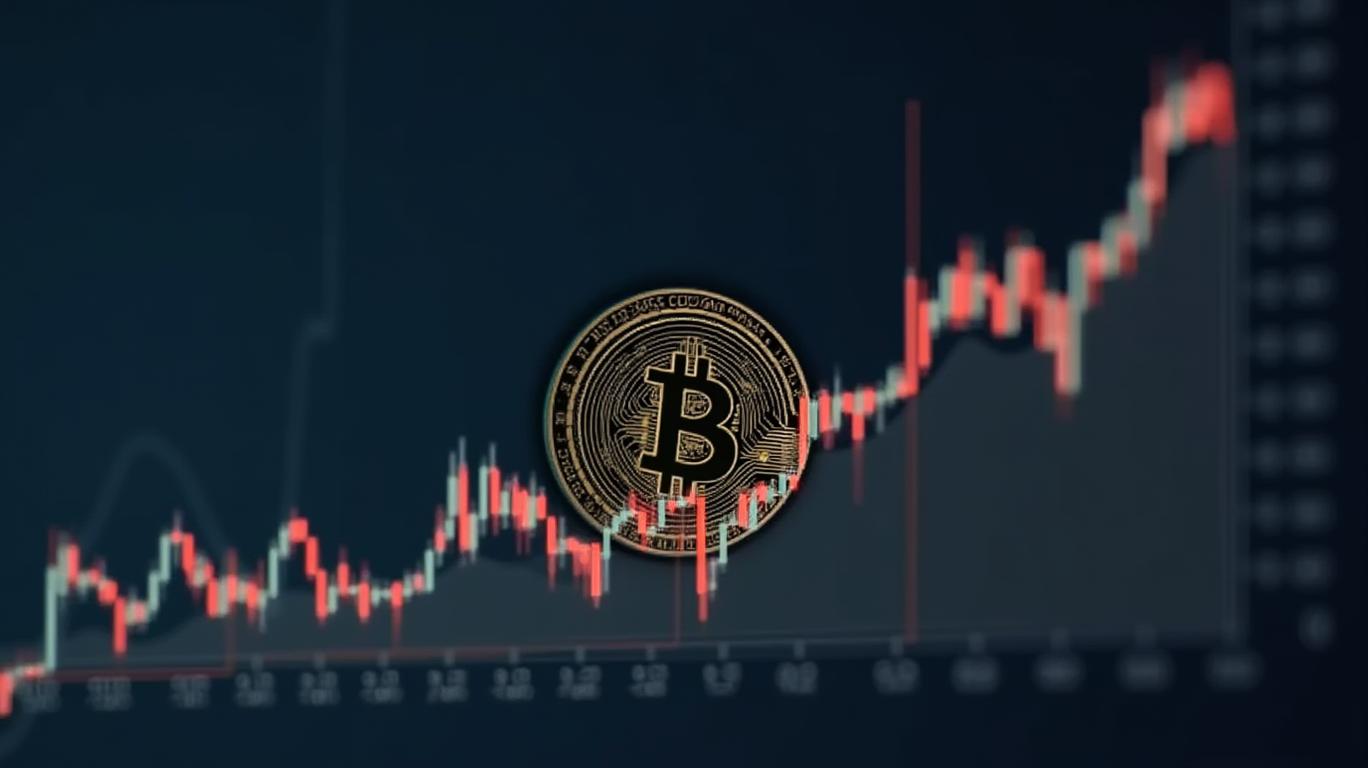
So, what does all this mean for Bitcoin investors? Well, it's important to remember that the cryptocurrency market is still in its relative infancy, and as such, it is highly susceptible to volatility and uncertainty. While the recent sell-off may be disheartening, it's essential to keep a long-term perspective and not get caught up in the day-to-day noise.
Moreover, it's crucial to diversify your portfolio and not put all your eggs in one basket. By spreading your investments across various asset classes, you can help mitigate the impact of any single event or market downturn. Additionally, consider employing strategies like dollar-cost averaging (DCA) to smooth out the effects of volatility and reduce the risk of buying at the peak or selling at the trough.
In conclusion, the recent plunge in Bitcoin's price is a stark reminder of the risks and uncertainties that come with investing in the cryptocurrency market. However, by maintaining a long-term perspective, diversifying your portfolio, and employing risk management strategies, you can better navigate the ups and downs of this dynamic and exciting asset class. As always, it's essential to do your own research and consult with a financial advisor before making any investment decisions.
Bitcoin, the world's most popular cryptocurrency, has taken a nosedive, tumbling below the $85,000 mark amid escalating geopolitical tensions and President Trump's EU tariff threats. The digital asset, which had been on a tear throughout much of 2021, has now shed over 15% of its value in just a few short weeks. So, what's behind this sudden reversal of fortune, and what does it mean for investors?
First, let's address the elephant in the room: President Trump's recent tariff threats against the European Union. The U.S. President has been vocal about his desire to protect American industries and has not hesitated to use tariffs as a tool to achieve his goals. However, these protectionist policies have not gone unchallenged, with the EU threatening retaliation if the U.S. follows through on its threats. This geopolitical uncertainty has created a ripple effect, impacting not only traditional markets but also the cryptocurrency landscape.
As the U.S. and EU engage in a game of brinkmanship, investors have been fleeing riskier assets, such as Bitcoin, in favor of safer havens like gold and government bonds. This shift in investor sentiment has contributed to the recent sell-off in the cryptocurrency market, with Bitcoin being the most prominent casualty.
But it's not just geopolitical tensions that have spooked investors. The recent surge in inflation and concerns about the Federal Reserve's monetary policy have also played a role in Bitcoin's decline. As the U.S. central bank grapples with how to manage rising prices without stifling economic growth, investors have been left to wonder whether the Fed will raise interest rates more aggressively than expected, potentially dampening demand for riskier assets like Bitcoin.
So, what does all this mean for Bitcoin investors? Well, it's important to remember that the cryptocurrency market is still in its relative infancy, and as such, it is highly susceptible to volatility and uncertainty. While the recent sell-off may be disheartening, it's essential to keep a long-term perspective and not get caught up in the day-to-day noise.
Moreover, it's crucial to diversify your portfolio and not put all your eggs in one basket. By spreading your investments across various asset classes, you can help mitigate the impact of any single event or market downturn. Additionally, consider employing strategies like dollar-cost averaging (DCA) to smooth out the effects of volatility and reduce the risk of buying at the peak or selling at the trough.
In conclusion, the recent plunge in Bitcoin's price is a stark reminder of the risks and uncertainties that come with investing in the cryptocurrency market. However, by maintaining a long-term perspective, diversifying your portfolio, and employing risk management strategies, you can better navigate the ups and downs of this dynamic and exciting asset class. As always, it's essential to do your own research and consult with a financial advisor before making any investment decisions.


Divulgación editorial y transparencia de la IA: Ainvest News utiliza tecnología avanzada de Modelos de Lenguaje Largo (LLM) para sintetizar y analizar datos de mercado en tiempo real. Para garantizar los más altos estándares de integridad, cada artículo se somete a un riguroso proceso de verificación con participación humana.
Mientras la IA asiste en el procesamiento de datos y la redacción inicial, un miembro editorial profesional de Ainvest revisa, verifica y aprueba de forma independiente todo el contenido para garantizar su precisión y cumplimiento con los estándares editoriales de Ainvest Fintech Inc. Esta supervisión humana está diseñada para mitigar las alucinaciones de la IA y garantizar el contexto financiero.
Advertencia sobre inversiones: Este contenido se proporciona únicamente con fines informativos y no constituye asesoramiento profesional de inversión, legal o financiero. Los mercados conllevan riesgos inherentes. Se recomienda a los usuarios que realicen una investigación independiente o consulten a un asesor financiero certificado antes de tomar cualquier decisión. Ainvest Fintech Inc. se exime de toda responsabilidad por las acciones tomadas con base en esta información. ¿Encontró un error? Reportar un problema


SOBRE NOSOTROS
Nuestra historiaAutores de noticiasBase de conocimientosPolítica de privacidadTérmino de usoDescargo de responsabilidad de corretaje de tercerosTérminos de uso de AIMEDivulgaciones de riesgos de AInvest AICarrerasCONTÁCTENOS
Email: support@ainvest.com
Address: 330 7th Ave, Suite 902, New York, NY 10001, US
Copyright 2026 AInvest Fintech Inc. All rights reserved.


Comentarios
Aún no hay comentarios