
Bitcoin Plunges 15% Amid Trump's Tariff Storm
Bitcoin's recent sell-off, which began on February 3, has seen the cryptocurrency's price decline by more than 15% and reach as low as around $86,400 by March 5. This downturn coincides with U.S. President Donald Trump's announcement of tariffs on China, Mexico, and Canada. Simultaneously, investors have withdrawn over $3.50 billion in assets from U.S.-based spot Bitcoin exchange-traded funds (ETFs) since February 3.
The U.S. imposed 25% tariffs on Canada and Mexico and 10% on China on March 4, raising concerns over supply chain disruptions and rising prices. This has fueled fears of a "Trumpcession," leading to a sell-off in risk assets. In the past, Bitcoin has behaved differently, surging during the U.S.-China trade war in 2019 as Chinese traders used it to bypass capital controls. However, this time, Bitcoin is behaving more like a risk asset, with its 30-week correlation with the Nasdaq hitting 0.91. JPMorganJPIN-- has also turned "tactically bearish" toward U.S. equities during the trade war, which may hurt Bitcoin if the correlation sustains.
Bitcoin's 24/7 trading nature allows it to react instantly to macroeconomic developments. When Trump's tariff plans were confirmed over a weekend in early February, crypto traders moved quickly, selling off Bitcoin and other assets before stock markets could react. This led to a sharp drop on February 3, pushing Bitcoin to a three-week low of $91,000. Conversely, Trump's announcement of a U.S. crypto strategic reserve on March 3 sparked a 9.58% surge in Bitcoin, marking its strongest daily gain since November 11, 2020.
Global investors are hedging elsewhere, with the U.S. Dollar Index (DXY) peaking around Trump's tariff announcement and declining since, like Bitcoin. This contradicts the usual bullish assumptions for the dollar in such situations. The euro and gold have both strengthened since February 3, suggesting that global investors looking to hedge against the economic impact of tariffs are turning to fiat alternatives like the euro and gold rather than Bitcoin. The Japanese Yen (JPY), another perceived safe haven, has climbed 4. 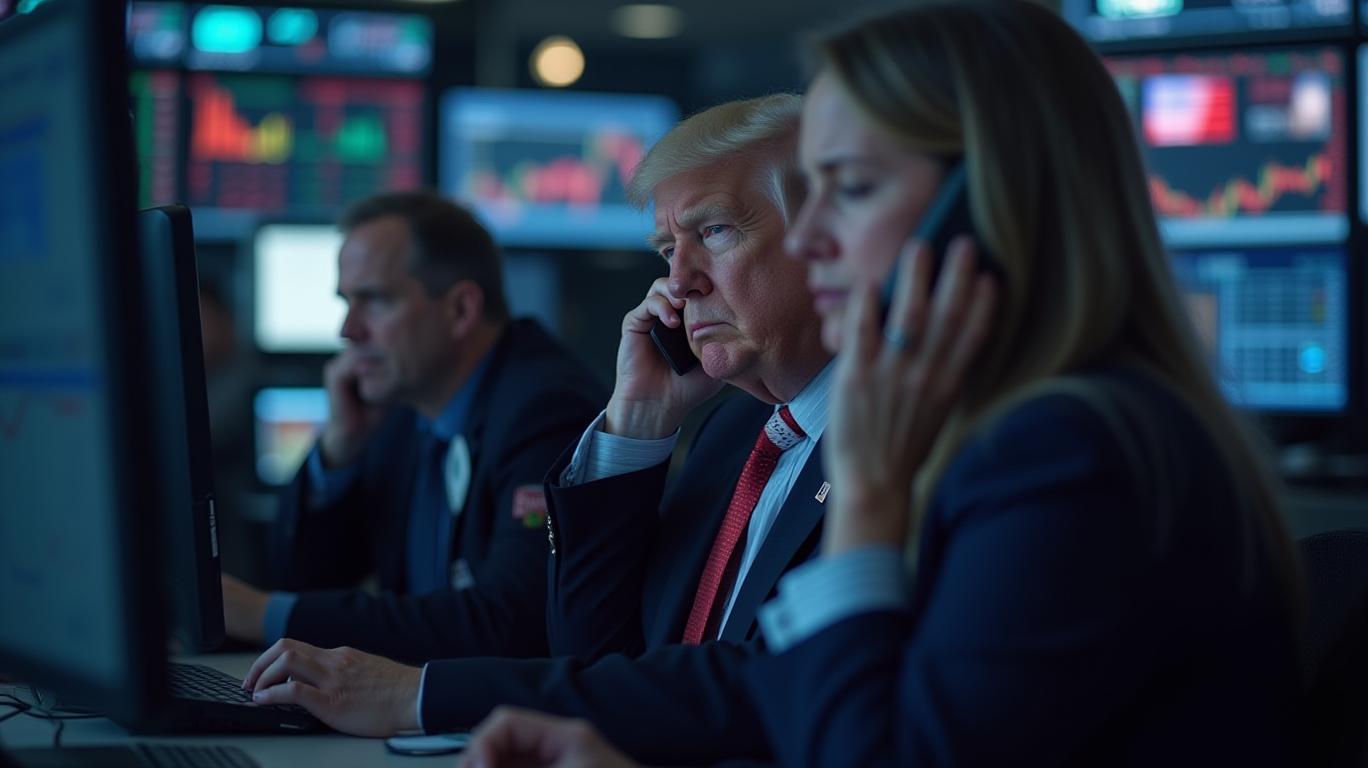





Comentarios
Aún no hay comentarios