
Bitcoin Mining as a Grid Stabilization Asset and Consumer Cost Reducer: Investment Opportunities in Renewable Energy Synergies
Bitcoin mining has undergone a dramatic transformation over the past decade. Once criticized for its energy consumption, the industry is now emerging as a critical player in grid stabilization and renewable energy integration. By leveraging surplus renewable energy and dynamic load management, BitcoinBTC-- mining is not only reducing carbon footprints but also creating economic value for energy producers and consumers alike. For investors, this shift opens a unique window into a sector where technological innovation, environmental sustainability, and financial returns intersect.
Grid Stabilization: Bitcoin Mining as a Renewable Energy Catalyst
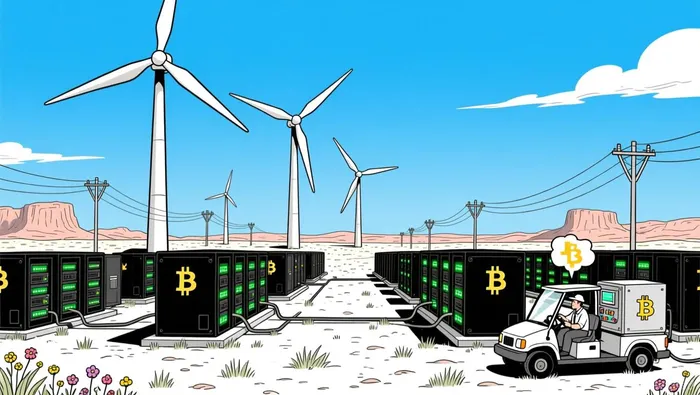
Bitcoin mining's ability to act as a flexible load for renewable energy is reshaping how power grids operate. Traditional energy systems struggle with the intermittency of solar and wind power, often curtailing excess generation during periods of low demand. Bitcoin miners, however, can rapidly scale operations up or down to absorb surplus energy or reduce grid strain. For example, in Texas, companies like Layer1 and Argo Blockchain have harnessed excess wind and solar power to stabilize the grid, saving an estimated $18 billion in grid costs according to a report. Similarly, in Iceland, Bitcoin mining has leveraged geothermal energy to maintain grid stability while keeping carbon emissions low according to research.
The economic benefits of this model are clear. By monetizing stranded energy-electricity generated in remote areas with limited transmission infrastructure-Bitcoin mining turns wasted energy into profit. In Canada, Bitfarms utilizes surplus hydroelectricity to power its operations, minimizing transmission losses and maximizing efficiency according to data. Meanwhile, Soluna Holdings and Canaan are collaborating on a 20-MW wind-powered mining project in Texas, demonstrating how renewable energy can be repurposed for high-value digital asset production according to industry analysis.
Financial Performance: Renewable Energy as a Cost-Saving Engine
The financial case for renewable-powered Bitcoin mining is compelling. Electricity costs account for 60-80% of operational expenses, making access to low-cost, renewable energy a key determinant of profitability according to market analysis. Companies that have embraced this strategy are seeing significant returns. For instance, Gryphon Digital Mining has achieved nearly 100% renewable energy usage through hydroelectric and flare gas power, with plans to expand to 500 MW of clean energy by 2025 according to company reports. CleanSpark and TeraWulf are similarly prioritizing renewables, with the latter operating facilities powered by 91% zero-carbon energy according to data.
Hybrid energy systems further enhance ROI. A peer-reviewed study found that pairing a solar power plant with Bitcoin mining could achieve an ROI in 3.5 years, compared to 8.1 years without mining according to research. This is driven by Bitcoin's ability to absorb excess energy during peak production periods, reducing curtailment losses for renewable producers. In 2025, 52.4% of Bitcoin mining energy came from non-fossil fuel sources, including 23.4% hydropower, 15.4% wind, and 9.8% nuclear according to energy statistics. These figures underscore a sector increasingly aligned with global decarbonization goals.
Institutional Investment: A New Era of Green Mining
Institutional investors are now flocking to Bitcoin mining infrastructure, recognizing its dual potential as a digital asset and a green energy enabler. Soluna Holdings recently secured a $100 million facility from Generate Capital to expand its green data centers, which convert surplus renewable energy into computing power for Bitcoin and AI applications according to news reports. Similarly, Bitzero raised $25 million to scale its hydropower-based mining operations in Norway according to financial reports.
The rise of Spot Bitcoin ETFs, which amassed over $65 billion in assets under management (AUM) by April 2025, has further legitimized Bitcoin as an institutional asset according to market data. This trend is mirrored by corporate treasuries and sovereign wealth funds allocating Bitcoin as part of diversification strategies according to institutional analysis. For renewable energy projects, Bitcoin mining acts as an "anchor load," providing stable revenue streams that enhance the viability of green infrastructure. MARA Holdings, for example, acquired a Texas wind farm with 240 MW of interconnection capacity to power its mining operations, directly monetizing otherwise wasted energy according to project documentation.
Future Outlook: Synergies and Scalability
The integration of Bitcoin mining with renewable energy is still in its early stages. As AI and cloud mining platforms optimize energy use, the sector's scalability will only increase. DeepHash and BitDeer are pioneering AI-driven mining backed by renewable energy, offering transparent, hardware-free access to Bitcoin earnings according to industry reports. Meanwhile, ECOS in Armenia and Alps Blockchain in Italy are expanding hydro-powered mining centers, demonstrating the global applicability of this model according to market analysis.
For investors, the key opportunities lie in companies that combine low-cost renewable energy, grid flexibility, and technological innovation. The global Bitcoin miner market, valued at $6.97 billion in 2024, is projected to grow to $46.62 billion by 2032, driven by ESG-aligned projects and energy-efficient ASIC hardware according to market forecasts.
Conclusion
Bitcoin mining is no longer just a high-energy consumer-it is a strategic asset for grid modernization and renewable energy integration. By transforming stranded energy into economic value, the sector is reducing consumer costs, enhancing grid resilience, and aligning with global sustainability goals. For investors, the convergence of Bitcoin mining and renewable energy represents a high-ROI opportunity with long-term environmental and financial benefits. As the industry continues to evolve, those who prioritize innovation and sustainability will lead the next wave of growth.





Comentarios
Aún no hay comentarios