
Bitcoin Mining and ESG Alignment: A New Era of Climate Mitigation and Grid Stabilization
Bitcoin mining has long been scrutinized for its energy consumption, but 2025 marks a pivotal shift in its narrative. As the industry pivots toward renewable energy and grid-friendly practices, BitcoinBTC-- mining is emerging as a strategic tool for climate mitigation and energy infrastructure optimization. This transformation is not just a trend-it's a calculated alignment with ESG (Environmental, Social, and Governance) criteria, driven by technological innovation, economic incentives, and a growing emphasis on sustainability.
Renewable Energy Integration: Powering Bitcoin's Green Transition
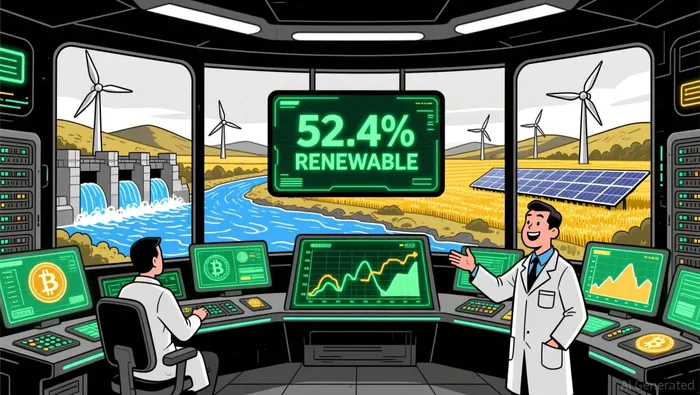
The most compelling evidence of Bitcoin mining's ESG alignment lies in its rapid adoption of renewable energy. According to a report by Bitcoin Mining and the Energy Sector, the proportion of Bitcoin mining powered by sustainable energy surged from 37.6% in 2022 to 52.4% in 2025, with hydro, wind, and solar accounting for 42.6% of the energy mix. This shift is not merely symbolic; it directly reduces the carbon intensity of mining operations. For instance, companies like BitfarmsBITF-- in Quebec leverage hydroelectric power, which offers both cost efficiency and environmental benefits. Similarly, Texas-based miners have partnered with wind and solar providers to consume surplus energy during low-demand periods, preventing curtailment and enhancing grid flexibility.
The economic logic is clear: renewable energy sources like hydropower and wind are often abundant but underutilized during off-peak hours. Bitcoin miners act as "flexible loads," absorbing this excess energy and converting it into economic value. This dynamic not only stabilizes the grid but also incentivizes further investment in renewable infrastructure.
Grid Stabilization: Bitcoin as a Demand Response Tool
Beyond renewables, Bitcoin mining is proving to be a critical player in grid stabilization. In regions with intermittent energy supply-such as Texas, where wind power dominates-miners can adjust their energy consumption in real time. During peak demand, they reduce operations to free up electricity for essential services, effectively functioning as demand response participants according to utility reports. This capability is increasingly recognized by utilities and regulators, who view Bitcoin miners as partners in balancing supply and demand.
Moreover, Bitcoin mining helps monetize stranded energy sources, such as flared natural gas or landfill methane, which would otherwise contribute to greenhouse gas emissions according to ESG analysis. By converting these waste streams into revenue, miners reduce environmental harm while supporting energy innovation. ESG researcher Daniel Batten has highlighted this dual benefit, noting that Bitcoin mining can "turn stranded energy into a climate solution" according to industry insights.
ESG Alignment: Beyond the Hype
Critics often dismiss Bitcoin's ESG credentials as greenwashing, but recent data challenges this narrative. While peer-reviewed studies on social and governance factors remain limited, the environmental case is robust. For example, the decline of coal in Bitcoin's energy mix-from a significant share in 2022 to a negligible role in 2025-demonstrates a tangible reduction in carbon emissions. Natural gas, now the primary energy source, emits 60% less CO₂ than coal per unit of energy.
Social and governance alignment is more nuanced but promising. Bitcoin mining operations in remote areas, such as Iceland and Canada, often create jobs and stimulate local economies. Additionally, partnerships with utilities and energy producers foster transparency and accountability, key components of ESG governance.
Investment Implications: A Win-Win for Returns and Sustainability
For investors, the convergence of Bitcoin mining and ESG criteria presents a unique opportunity. Mining firms that prioritize renewable energy and grid services are not only reducing their environmental footprint but also enhancing operational resilience. Companies like Bitfarms and Texas-based miners are already reaping the rewards of lower energy costs and regulatory favor.
Moreover, as global energy systems transition to decarbonization, Bitcoin miners with ESG-aligned practices will likely outperform peers. Their ability to stabilize grids and utilize stranded energy positions them as essential infrastructure players in a low-carbon future.
Conclusion
Bitcoin mining's evolution from energy-intensive operation to climate mitigation tool underscores its adaptability and strategic value. By leveraging renewables, optimizing grid dynamics, and monetizing waste energy, the industry is redefining its role in the global energy landscape. For investors, this shift offers a compelling case: aligning with Bitcoin mining's ESG trajectory isn't just about ethics-it's about capturing the upside of a sector poised to lead the energy transition.





Comentarios
Aún no hay comentarios