
Bitcoin ETF Momentum Builds in South Korea as Regulation Lags Behind
South Korea’s capital markets are preparing for the introduction of crypto ETFs despite regulatory uncertainty. The Korea Exchange (KRX) has signaled operational readiness to support such products, with chairman Jeong Eun-bo emphasizing modernization efforts according to KRX statements. The KRX cited a desire to move beyond the so-called 'Korea discount' and to align with global market practices. However, regulatory approval remains pending as policymakers deliberate the legal status of crypto-based investments according to analysis.
Market infrastructure is in place, but legal frameworks are not. Current securities rules exclude crypto assets as eligible underlying assets for investment products. This exclusion effectively blocks crypto ETFs from being approved, even as investor demand grows. The Financial Services Commission is reviewing potential reforms, including whether digital assets can be recognized under the Capital Markets Act.
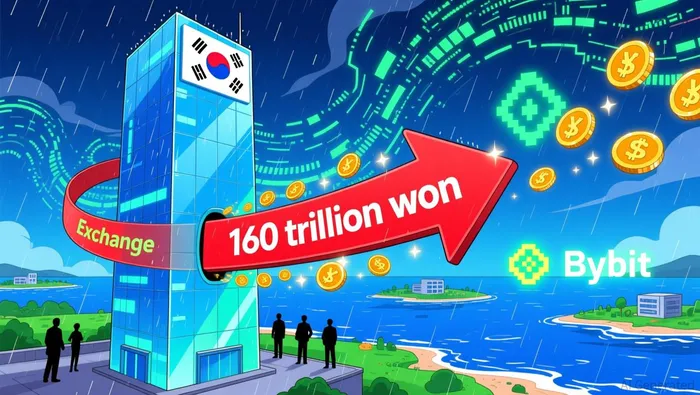
Capital outflows are intensifying as Korean investors seek exposure to crypto through foreign exchanges. An estimated 160 trillion won flowed overseas to platforms like Binance and Bybit in 2025 alone. This shift is driven by the availability of derivatives and pre-market trading on foreign CEXs, which are not offered domestically according to market reports. As a result, fee revenue is also moving offshore, with Binance reportedly earning 2.73 trillion won from Korean investors.
Why Did This Happen?
South Korea’s crypto market has long centered on altcoins, with domestic exchanges offering limited product diversity compared to global platforms. This imbalance has allowed foreign exchanges to capture early profits through derivatives and pre-market listings, leaving domestic platforms at a disadvantage. Korean investors, accustomed to high volatility and quick turnover, have adapted strategies to include offshore trading, especially for leveraged products according to market analysis.
Regulatory constraints further widen this gap. While domestic CEXs are restricted to spot trading, foreign platforms operate with greater flexibility. This dynamic has intensified as domestic exchanges delay token listings, forcing investors to act earlier on foreign platforms to capture value according to industry reports.
How Did Markets Respond?
The Korea Exchange has responded with infrastructure upgrades. KRX highlighted initiatives such as extended trading hours and digital finance readiness. These efforts aim to modernize capital markets and align with global trends. However, KRX chairman Jeong Eun-bo stressed that infrastructure is not the limiting factor—regulatory clarity is.
The Financial Services Commission is studying potential reforms, including a new regulatory framework for crypto assets under the Capital Markets Act. Meanwhile, the regulator proposed ownership limits for major crypto exchange shareholders to improve governance and prevent excessive control. This includes divestment requirements for founders at Upbit, Bithumb, and other major platforms according to official announcements.
What Are Analysts Watching Next?
Analysts are monitoring how regulators balance innovation with oversight. While excessive regulation risks driving capital to decentralized or offshore platforms, too little oversight could expose investors to risks according to industry analysis. Some industry voices warn that forced divestments could lead to liquidity issues and devaluing shares according to market experts. Others argue ownership caps may improve governance and align exchanges with global financial practices according to regulatory commentary.
Market players are also watching for signs of ETF approvals. The KRX’s readiness suggests regulatory momentum, but final decisions remain pending. If crypto ETFs are approved, they could reshape the domestic investment landscape. For now, investors continue to seek exposure through offshore platforms, highlighting the urgency for regulatory clarity according to market observers.







Comentarios
Aún no hay comentarios