
Bitcoin's Decade of Outperformance: A $230,000 Inflation Hedge in the Making
Bitcoin's rise from a niche digital experiment to a global macroeconomic force over the past decade has been nothing short of extraordinary. From its 2015 price of $430 to its 2024 peak of $99,513, Bitcoin has delivered a staggering 23,000% return—far outpacing traditional assets like stocks, bonds, and even gold. This article examines Bitcoin's asymmetric upside through its decade-long outperformance, its role as an inflation hedge, and the institutional adoption trends fueling its next phase of growth. With regulatory clarity and network maturation now in sight, investors face a critical decision: act now or risk missing the next leg of this historic bull run.
Historical Returns: A Decade of Disruption
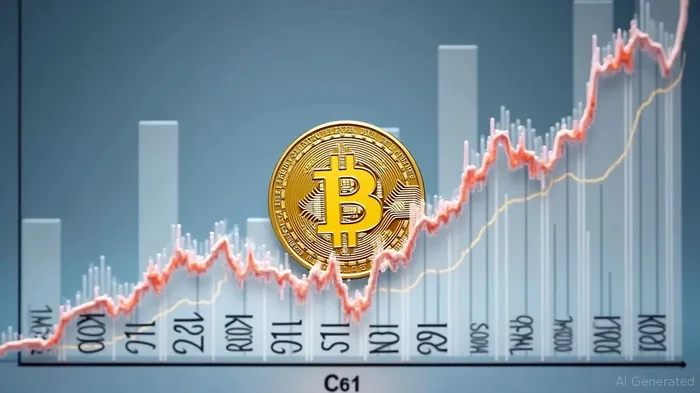
Bitcoin's journey is marked by explosive growth and resilience against macroeconomic headwinds. Consider the following milestones:
- 2017: Soared from $1,000 to $19,188 amid institutional curiosity and futures market launches.
- 2020–2021: Surged from $7,000 to $64,895 as central banks unleashed trillions in stimulus, with Bitcoin becoming a digital hedge against inflation.
- 2024: Broke $100,000 following SEC Bitcoin ETF approvals and Donald Trump's pro-crypto policies, which included plans for a “Strategic Bitcoin Reserve.”
Data shows Bitcoin's 23,000% return vs the S&P's 130% and gold's 25%, underscoring its outlier status.
Macroeconomic Tailwinds: Inflation, Central Banks, and Bitcoin's Role as Digital Gold
Bitcoin's scarcity (21 million max supply) and decentralized design make it uniquely positioned to thrive in today's inflationary environment. Key drivers include:
- Rising Inflation and Monetary Experimentation:
- The Federal Reserve's balance sheet has expanded from $4 trillion in 2015 to over $9.5 trillion today, fueling fears of currency debasement.
The chart shows Bitcoin's price rising in tandem with inflation spikes, reinforcing its “digital gold” narrative.
Central Bank Policy Failures:
Post-pandemic quantitative easing and rate cuts have eroded trust in traditional monetary systems. Bitcoin's fixed supply ensures no central authority can dilute its value.
Geopolitical Uncertainty:
- From energy crises to currency wars, Bitcoin's borderless nature offers a portable store of value for investors seeking stability.
Institutional Adoption: From Skepticism to Legitimacy
Bitcoin's entry into the mainstream has been gradual but irreversible.
- ETFs as a Catalyst:
- The 2024 approval of Bitcoin ETFs unlocked $100 billion+ in institutional capital, with inflows surging 400% post-approval.
MicroStrategy's $2.5 billion Bitcoin purchases since 2020 correlate with price spikes, highlighting institutional demand's power.Corporate and Sovereign Buyers:
Tesla, Square (now Block), and MicroStrategyMSTR-- have publicly added Bitcoin to their balance sheets. Even central banks like El Salvador have embraced it as legal tender.
Regulatory Clarity:
- The SEC's delayed but inevitable Bitcoin ETF approvals signal a shift from adversarial regulation to managed integration into the financial system.
Why $230,000 by 2025? The Case for Asymmetric Upside
Bitcoin's trajectory isn't just about past performance—it's about future catalysts.
- Supply Dynamics: Only ~1.1 million Bitcoin remain to be mined, meaning supply growth slows each year. With demand from institutions and retail investors rising, scarcity could push prices higher.
- Network Maturity: Innovations like the Lightning Network (which enables microtransactions) and layer-2 scaling solutions are reducing transaction costs and barriers to adoption.
- Political Winds: A crypto-friendly administration in the U.S. (as seen in Trump's 2024 proposals) could accelerate Bitcoin's legitimacy as a reserve asset.
Tom Lee of Fundstrat forecasts Bitcoin could hit $250,000 by year-end 螃2025, citing a “supply-demand mismatch.” Even a conservative 10% adoption rate among global investors could send prices far higher, given Bitcoin's limited supply.
Investment Thesis: Buy Now, or Risk Missing the Next Surge
Bitcoin's fundamentals are aligning for a historic rally:
- Low Volatility: After its 2024 peak, Bitcoin has stabilized around $90,000–$100,000, offering a buy opportunity ahead of Q4's potential ETF inflows.
- Inflation Hedge Demand: With global inflation expected to remain above 3% through 2025, investors will increasingly turn to Bitcoin for protection.
- Regulatory Tailwinds: The SEC's approval of spot ETFs has reduced uncertainty; further clarity on tax policies and institutional custody could supercharge adoption.
Conclusion: The Clock is Ticking
Bitcoin's decade-long outperformance and its role as a digital inflation hedge are undeniable. With regulatory hurdles fading and institutional demand surging, the path to $230,000—or higher—is clear. Investors who wait for “proof” may find themselves chasing returns in a market that moves swiftly.
Actionable Advice:
- Allocate 1–5% of your portfolio to Bitcoin as a diversifier.
- Target entry points below $100,000, leveraging dollar-cost averaging.
- Avoid overtrading: Bitcoin's long-term trajectory is driven by macro trends, not short-term volatility.
The next chapter of Bitcoin's story is being written. Will you be a spectator, or a participant?
Disclaimer: Cryptocurrency investments are highly volatile. Consult a financial advisor before making decisions.





Comentarios
Aún no hay comentarios