
Bitcoin: Blockstream CEO Urges Early Investment Before Government Accumulation
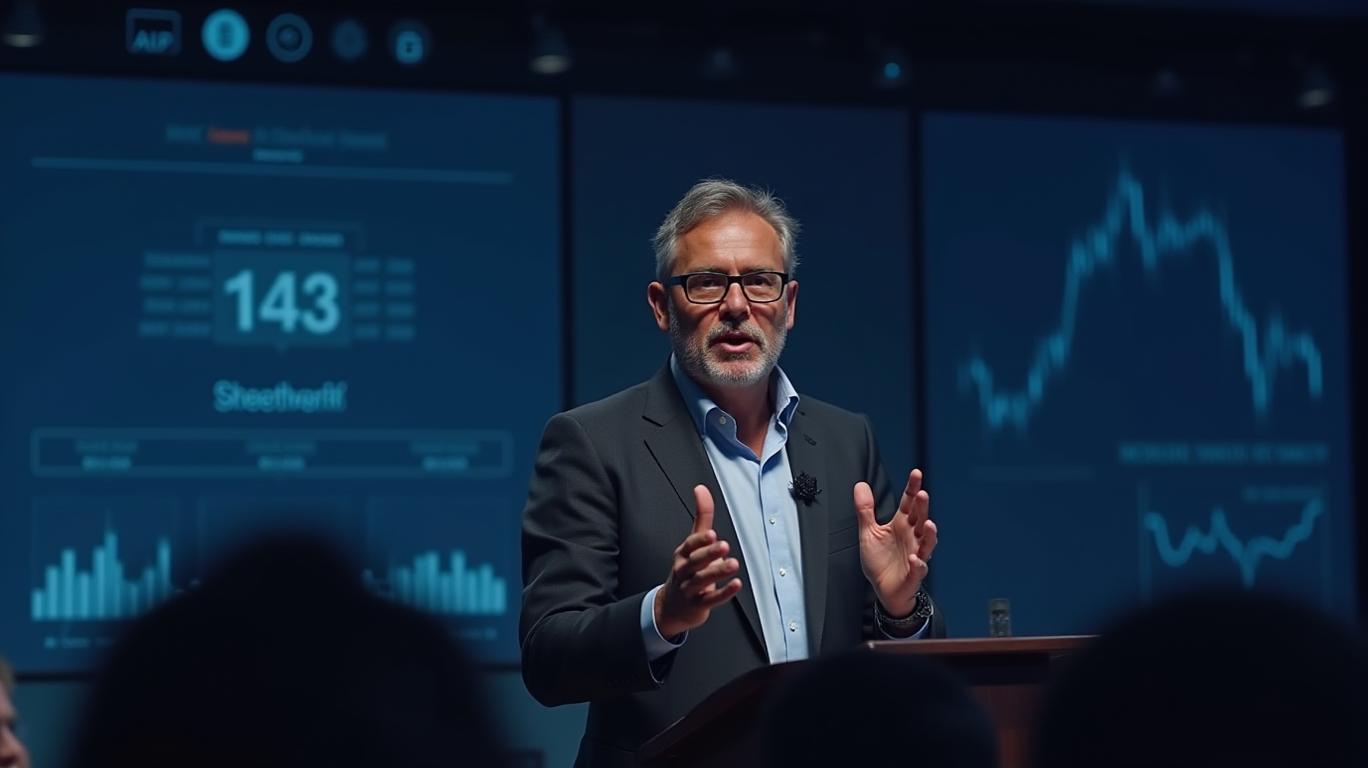
At the Paris Blockchain Week 2025, Blockstream CEO Adam Back urged the public to invest in Bitcoin before governments begin to accumulate it. He highlighted that early adopters, especially retail investors, have the most to gain while Bitcoin is still relatively accessible. With increasing concerns about countries building their own Bitcoin reserves, such as the U.S., the urgency for action has intensified. Back’s message underscores the growing belief that early participation in Bitcoin can offer financial security before institutional dominance takes over.
Back cautioned that governments entering the market could alter the stability of Bitcoin’s availability and affordability. As nations recognize the benefits of adopting crypto for reserves and economic hedging, prices could rise significantly. Retail buyers may miss out on long-term benefits if they delay. The window for strategic Bitcoin entry is closing, making personal accumulation more crucial than ever. In Back’s view, this presents an opportunity for individuals to participate before large entities reshape the market landscape.
With inflation projections ranging from 10% to 15% over the next decade, Back emphasized the need for alternatives to fiat currencies. As central banks issue larger debt and engage in quantitative easing, traditional economic systems may struggle to maintain purchasing power. In such an environment, Bitcoin becomes a realistic hedge against economic uncertainty. Its decentralized nature and fixed supply make it a digital counterpart to gold, offering traders a modern and resilient form of economic security.
Adam Back pointed out that current financial conditions make Bitcoin a rational choice for long-term wealth preservation. As inflation erodes savings, Bitcoin offers a non-correlated asset that can withstand economic risks. He underscored that government adoption can eventually confirm Bitcoin’s value, but early retail investment secures exposure before institutional endorsements. This makes a compelling argument for Bitcoin investment as both a strategic and protective investment during times of inflation.
Back commented on how recent geopolitical tensions, such as the U.S.–China trade war, have introduced volatility into international markets. Despite minor corrections, Bitcoin demonstrated resilience by trading 24/7 and rebounding faster than traditional equities. When shares fell sharply in response to tariffs and economic fears, Bitcoin momentarily followed a similar downturn. However, its rapid stabilization indicates investor confidence in its utility during monetary stress, reinforcing its position as a safe asset.
Unlike stock markets, Bitcoin lacks circuit breakers and centralized control, allowing for dynamic price discovery in real time. This independence strengthens Bitcoin’s appeal in uncertain conditions. Back suggested that this market behavior should inspire retail investors to view Bitcoin as a viable alternative asset. His observations emphasize Bitcoin’s behavior in global finance and its manageable value in navigating uncertain monetary landscapes.
Addressing future risks, Back spoke about the potential threats posed by quantum computingQUBT--. He advised the Bitcoin community not to dismiss the difficulty entirely, acknowledging that a quantum break could undermine current cryptographic protocols. However, he clarified that the quantum computing threat remains speculative and is likely a long time away. This gives developers time to integrate new systems and enforce more robust cryptographic solutions that would protect Bitcoin from such advanced technological risks.
Rather than spreading fear, Back’s stance encourages awareness. He stressed that while a quantum computing threat exists, Bitcoin’s development community is prepared to innovate in response. Preparations for quantum-resistant algorithms and new chain security methods are underway. Back believes that this proactive approach ensures Bitcoin’s long-term viability, making Bitcoin investment a safer and smarter decision, even during challenges. His remarks reassured that the asset’s future remains strong, regardless of emerging technological concerns.
The convergence of rising inflation, financial instability, and future government adoption makes it an opportune time for individuals to secure their financial positions. Bitcoin stands at the intersection of technology and economics and is better positioned to preserve wealth in uncertain times. As governments move slowly toward adoption, individual buyers still have the chance to enter ahead of policy-driven price movements.
Ultimately, Back’s message reflected a broader shift in the economic landscape. Traditional institutions acknowledge Bitcoin’s legitimacy, and that momentum is not going to reverse. For retail investors, this is a rare opportunity to align with an asset that may soon become foundational to the global economy.







Comentarios
Aún no hay comentarios