
Bitcoin at $80K: Michael Saylor's Historic Entry Point
Generado por agente de IAHarrison Brooks
miércoles, 19 de marzo de 2025, 7:41 pm ET3 min de lectura
MSTR--
In the ever-evolving world of cryptocurrency, Bitcoin has once again captured the spotlight. Michael Saylor, the CEO of MicroStrategyMSTR--, has boldly declared that $80,000 is a "historic entry point" for Bitcoin. This assertion comes at a time when the cryptocurrency market is experiencing significant volatility and institutional adoption is on the rise. Let's delve into the factors driving Saylor's claim and explore the implications for investors considering entry at this price point.
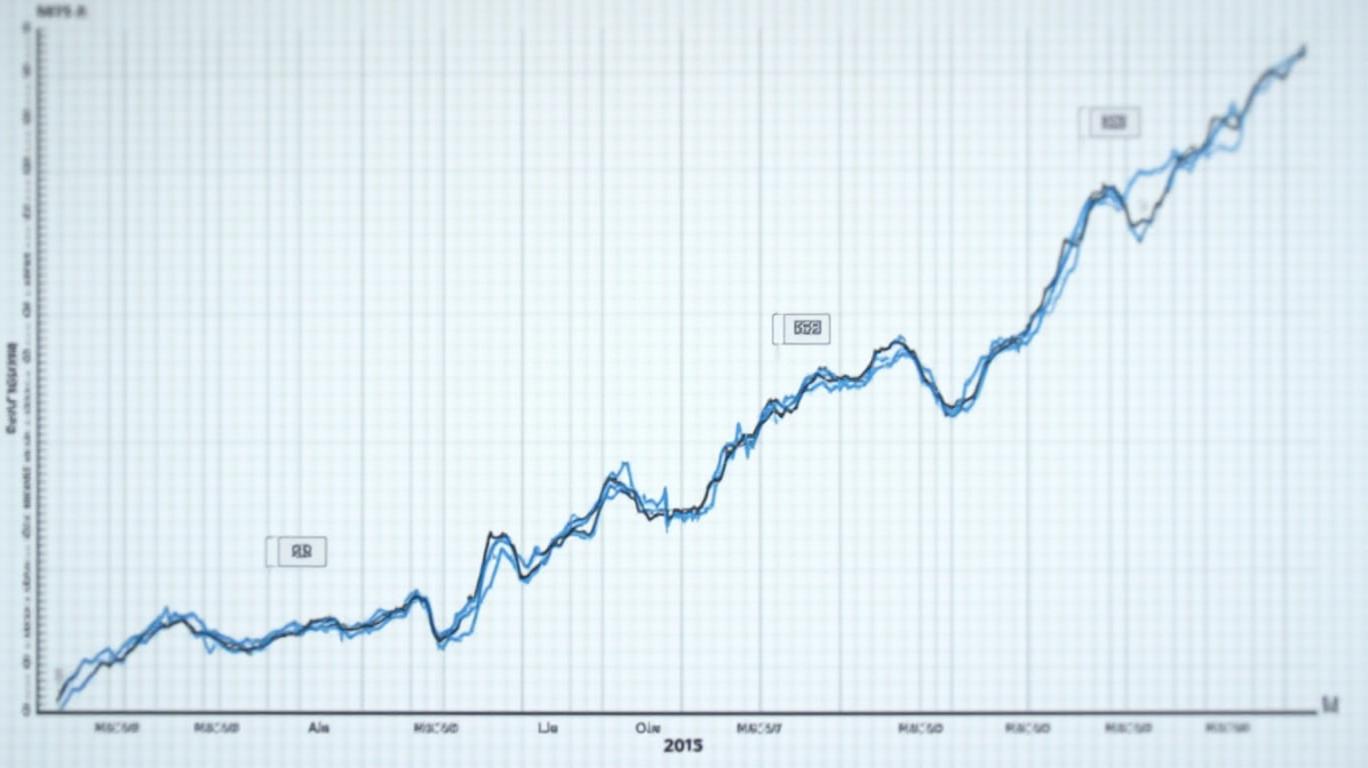
The Halving Event: A Supply-Side Catalyst
One of the key factors driving Saylor's assertion is the Bitcoin halving event, which occurs approximately every four years. This event reduces the blockXYZ-- reward for miners by half, effectively limiting the supply of new Bitcoins entering the market. The 2024 halving event is expected to further constrain supply, potentially driving up the price due to Bitcoin's deflationary nature. As the supply of new Bitcoins diminishes, the demand for existing coins is likely to increase, pushing the price higher.
Institutional Adoption: A Growing Trend
Institutional adoption of Bitcoin has been a significant driver of its price growth. Companies like MicroStrategy have accumulated substantial amounts of Bitcoin as part of their treasury strategies. MicroStrategy's recent announcement of a $420 billion capital plan to invest in Bitcoin, including $210 billion in ATM stock issuance, underscores the growing institutional interest in the cryptocurrency. This trend is expected to continue, with more companies and investment funds allocating a portion of their assets to Bitcoin.
Regulatory Environment: A Favorable Shift
The regulatory environment for Bitcoin has been improving, with more countries and jurisdictions recognizing the legitimacy of cryptocurrencies. The SEC's approval of Bitcoin ETF options and the passage of the Pennsylvania Bitcoin Rights Law are significant steps towards mainstream acceptance. These regulatory developments are expected to boost investor confidence and drive up the price of Bitcoin. As the regulatory landscape becomes more favorable, institutional investors are likely to increase their exposure to Bitcoin, further driving its price upward.
Macroeconomic Factors: A Store of Value
The current macroeconomic environment, characterized by high levels of government debt and inflation, is driving investors towards Bitcoin as a store of value. The increasing federal debt and persistent inflation are making traditional fiat currencies less attractive, leading investors to seek alternatives like Bitcoin. This is evident in the correlation between the federal debt and Bitcoin price, as well as the increasing demand for Bitcoin as a hedge against inflation.
Market Sentiment and Technical Indicators: A Bullish Outlook
The current market sentiment for Bitcoin is bullish, with technical indicators such as the MACD and moving averages suggesting strong upward trends. The Fear & Greed Index is showing a value of 32 (Fear), which is often seen as a buying opportunity. Additionally, the 50-Day SMA and 200-Day SMA are both above key support levels, indicating a bullish trajectory for Bitcoin. These technical indicators, combined with the favorable macroeconomic and regulatory environment, suggest that Bitcoin is poised for continued growth in the coming years.
Future Projections: A Bullish Outlook
Analysts and experts are predicting that Bitcoin will continue to rise in the coming years. For example, Tone Vays predicts that Bitcoin could reach a price range of $102,000 to $140,000 by the mid-2025. This aligns with Saylor's assertion that $80,000 is a historic entry point, as it suggests that the price of Bitcoin is likely to continue rising in the future. The limited supply of Bitcoin (21 million coins) and its deflationary nature make it an attractive investment option for those seeking to hedge against inflation.
Risks and Opportunities for Investors
For investors considering entry at $80,000, the current regulatory environment and institutional adoption present both opportunities and risks. On the opportunity side, the favorable regulatory developments and growing institutional interest could drive Bitcoin's price higher, potentially leading to significant gains for early investors. Additionally, the limited supply of Bitcoin and its deflationary nature make it an attractive investment option for those seeking to hedge against inflation.
However, there are also risks to consider. The volatile nature of Bitcoin's price, as evidenced by its dramatic fluctuations over the years, means that investors could face significant losses if the market turns against them. Furthermore, regulatory changes could impact Bitcoin's price, as seen in the past when regulatory crackdowns in countries like China led to a decrease in Bitcoin's hash rate and price. Additionally, the concentration of Bitcoin's hash rate in a few countries, such as the United States, Russia, and China, presents a risk of centralization and potential regulatory intervention.
Strategies for Mitigating Risks and Maximizing Returns
Given Bitcoin's historical price volatility, investors can employ several strategies to mitigate risks and maximize returns when entering the market at the $80,000 price point. These strategies include dollar-cost averaging, setting stop-loss orders, diversification, long-term holding, technical analysis, monitoring market sentiment, and investing in Bitcoin ETFs. By employing these strategies, investors can better navigate Bitcoin's price volatility and increase their chances of mitigating risks and maximizing returns.
Conclusion
Michael Saylor's assertion that $80,000 is a historic entry point for Bitcoin is supported by a combination of supply-side factors, institutional adoption, regulatory developments, macroeconomic trends, market sentiment, and future projections. These factors align with current market trends and suggest that Bitcoin is poised for continued growth in the coming years. However, investors should also be aware of the risks associated with Bitcoin's volatility and regulatory uncertainty. As such, it is essential for investors to conduct thorough research and consider their risk tolerance before investing in Bitcoin.
In the ever-evolving world of cryptocurrency, Bitcoin has once again captured the spotlight. Michael Saylor, the CEO of MicroStrategyMSTR--, has boldly declared that $80,000 is a "historic entry point" for Bitcoin. This assertion comes at a time when the cryptocurrency market is experiencing significant volatility and institutional adoption is on the rise. Let's delve into the factors driving Saylor's claim and explore the implications for investors considering entry at this price point.
The Halving Event: A Supply-Side Catalyst
One of the key factors driving Saylor's assertion is the Bitcoin halving event, which occurs approximately every four years. This event reduces the blockXYZ-- reward for miners by half, effectively limiting the supply of new Bitcoins entering the market. The 2024 halving event is expected to further constrain supply, potentially driving up the price due to Bitcoin's deflationary nature. As the supply of new Bitcoins diminishes, the demand for existing coins is likely to increase, pushing the price higher.
Institutional Adoption: A Growing Trend
Institutional adoption of Bitcoin has been a significant driver of its price growth. Companies like MicroStrategy have accumulated substantial amounts of Bitcoin as part of their treasury strategies. MicroStrategy's recent announcement of a $420 billion capital plan to invest in Bitcoin, including $210 billion in ATM stock issuance, underscores the growing institutional interest in the cryptocurrency. This trend is expected to continue, with more companies and investment funds allocating a portion of their assets to Bitcoin.
Regulatory Environment: A Favorable Shift
The regulatory environment for Bitcoin has been improving, with more countries and jurisdictions recognizing the legitimacy of cryptocurrencies. The SEC's approval of Bitcoin ETF options and the passage of the Pennsylvania Bitcoin Rights Law are significant steps towards mainstream acceptance. These regulatory developments are expected to boost investor confidence and drive up the price of Bitcoin. As the regulatory landscape becomes more favorable, institutional investors are likely to increase their exposure to Bitcoin, further driving its price upward.
Macroeconomic Factors: A Store of Value
The current macroeconomic environment, characterized by high levels of government debt and inflation, is driving investors towards Bitcoin as a store of value. The increasing federal debt and persistent inflation are making traditional fiat currencies less attractive, leading investors to seek alternatives like Bitcoin. This is evident in the correlation between the federal debt and Bitcoin price, as well as the increasing demand for Bitcoin as a hedge against inflation.
Market Sentiment and Technical Indicators: A Bullish Outlook
The current market sentiment for Bitcoin is bullish, with technical indicators such as the MACD and moving averages suggesting strong upward trends. The Fear & Greed Index is showing a value of 32 (Fear), which is often seen as a buying opportunity. Additionally, the 50-Day SMA and 200-Day SMA are both above key support levels, indicating a bullish trajectory for Bitcoin. These technical indicators, combined with the favorable macroeconomic and regulatory environment, suggest that Bitcoin is poised for continued growth in the coming years.
Future Projections: A Bullish Outlook
Analysts and experts are predicting that Bitcoin will continue to rise in the coming years. For example, Tone Vays predicts that Bitcoin could reach a price range of $102,000 to $140,000 by the mid-2025. This aligns with Saylor's assertion that $80,000 is a historic entry point, as it suggests that the price of Bitcoin is likely to continue rising in the future. The limited supply of Bitcoin (21 million coins) and its deflationary nature make it an attractive investment option for those seeking to hedge against inflation.
Risks and Opportunities for Investors
For investors considering entry at $80,000, the current regulatory environment and institutional adoption present both opportunities and risks. On the opportunity side, the favorable regulatory developments and growing institutional interest could drive Bitcoin's price higher, potentially leading to significant gains for early investors. Additionally, the limited supply of Bitcoin and its deflationary nature make it an attractive investment option for those seeking to hedge against inflation.
However, there are also risks to consider. The volatile nature of Bitcoin's price, as evidenced by its dramatic fluctuations over the years, means that investors could face significant losses if the market turns against them. Furthermore, regulatory changes could impact Bitcoin's price, as seen in the past when regulatory crackdowns in countries like China led to a decrease in Bitcoin's hash rate and price. Additionally, the concentration of Bitcoin's hash rate in a few countries, such as the United States, Russia, and China, presents a risk of centralization and potential regulatory intervention.
Strategies for Mitigating Risks and Maximizing Returns
Given Bitcoin's historical price volatility, investors can employ several strategies to mitigate risks and maximize returns when entering the market at the $80,000 price point. These strategies include dollar-cost averaging, setting stop-loss orders, diversification, long-term holding, technical analysis, monitoring market sentiment, and investing in Bitcoin ETFs. By employing these strategies, investors can better navigate Bitcoin's price volatility and increase their chances of mitigating risks and maximizing returns.
Conclusion
Michael Saylor's assertion that $80,000 is a historic entry point for Bitcoin is supported by a combination of supply-side factors, institutional adoption, regulatory developments, macroeconomic trends, market sentiment, and future projections. These factors align with current market trends and suggest that Bitcoin is poised for continued growth in the coming years. However, investors should also be aware of the risks associated with Bitcoin's volatility and regulatory uncertainty. As such, it is essential for investors to conduct thorough research and consider their risk tolerance before investing in Bitcoin.

Divulgación editorial y transparencia de la IA: Ainvest News utiliza tecnología avanzada de Modelos de Lenguaje Largo (LLM) para sintetizar y analizar datos de mercado en tiempo real. Para garantizar los más altos estándares de integridad, cada artículo se somete a un riguroso proceso de verificación con participación humana.
Mientras la IA asiste en el procesamiento de datos y la redacción inicial, un miembro editorial profesional de Ainvest revisa, verifica y aprueba de forma independiente todo el contenido para garantizar su precisión y cumplimiento con los estándares editoriales de Ainvest Fintech Inc. Esta supervisión humana está diseñada para mitigar las alucinaciones de la IA y garantizar el contexto financiero.
Advertencia sobre inversiones: Este contenido se proporciona únicamente con fines informativos y no constituye asesoramiento profesional de inversión, legal o financiero. Los mercados conllevan riesgos inherentes. Se recomienda a los usuarios que realicen una investigación independiente o consulten a un asesor financiero certificado antes de tomar cualquier decisión. Ainvest Fintech Inc. se exime de toda responsabilidad por las acciones tomadas con base en esta información. ¿Encontró un error? Reportar un problema




Comentarios
Aún no hay comentarios