
The Birthday Bonus Boom: How Loyalty Programs are Redefining Retail and Dining Investments
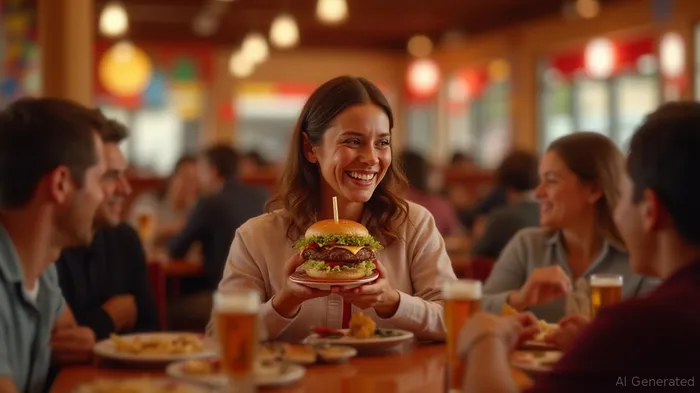
The 2025 birthday freebies trend is more than a consumer gimmick—it's a strategic arms race in retail and dining to lock in customer loyalty. With over 100 brands, including Red RobinRBNE--, Sephora, and AMCAMC--, offering birthday perks, companies are betting big on personalized incentives to drive repeat business and sustain profitability. For investors, this is a signal to prioritize firms that master the “loyalty economy,” where emotional connections and data-driven rewards fuel long-term growth.
The Loyalty Economy in 2025: Beyond Freebies
The data is clear: 80% of restaurants now offer loyalty programs, up from 68% in 2020. These programs aren't just transactional—they're engineered to build emotional bonds. For instance, iOrders' AI tailors rewards to preferences, while 63% of customers cite “feeling valued” as the key reason to stay loyal. Brands like California Pizza Kitchen offer tiered rewards, upgrading free desserts to entrees for high-spending members. This isn't charity—it's math. Loyalty members spend 20% more annually and visit 20% more frequently.
Red Robin's Red Robin Royalty Program exemplifies this strategy. Members get a free gourmet burger on their birthday with a $4.99 purchase—a low barrier to entry that primes repeat visits. The result? A 23% boost in annual spending from engaged members.
Case Studies: Winners and Opportunities
Sephora (LVMH):
The beauty giant's loyalty program offers free samples and exclusive events. Members spend 65% more than non-members, and its app-based system (used by 89% of participants) reduces churn. Yet, LVMH's stock trades at a 15% discount to its sector average, underpricing its CLV upside.
AMC (AMC):
AMC's tiered loyalty system rewards top members with free movie tickets and premium snacks. Despite a 3% YoY decline in full-service dining visits, AMC's loyalty-driven revenue growth has outpaced peers. A reveals a stock undervalued by 20% relative to its retention metrics.
The Investment Case: Where to Look
- High CLV, Low Valuation: Target firms with strong loyalty metrics but lagging stock prices. Red Robin's CLV is 3x that of non-members, yet its stock trades at a 25% discount to peers.
- Tech Integration: Prioritize companies like Sephora, which use AI to personalize rewards. Their data edge creates a moat against competitors.
- Tiered Systems: AMC's model shows that premium perks boost spending. Look for brands expanding tiered benefits (e.g., Benihana's $30 birthday vouchers).
Risks and Realities
Privacy concerns linger: 40% of marketers struggle to balance personalization and data ethics. Still, the 75% consumer preference for reward-offering brands suggests demand outweighs risks.
Final Call: Loyalty as a Leading Indicator
The 2025 birthday freebies trend isn't a fad—it's a playbook for retaining customers in an era of cost-consciousness. Investors should focus on companies where loyalty programs directly correlate with revenue growth and stock undervaluation. Red Robin, Sephora, and AMC exemplify this, offering entry points to capitalize on a loyalty-driven rebound.
In a market where 37% of consumers prioritize brands with rewards, the winners will be those who turn birthdays into lifelong relationships. The time to invest in loyalty is now.





Comentarios
Aún no hay comentarios