
Bipartisan Agreement: The Child Tax Credit in 2025
Generado por agente de IAWesley Park
miércoles, 15 de enero de 2025, 4:59 am ET2 min de lectura
GPCR--
As the clock ticks down to 2025, lawmakers are gearing up for a significant tax debate, with one subject standing out as a rare point of bipartisan agreement: the child tax credit. With key provisions from the Tax Cuts and Jobs Act (TCJA) set to expire, Congress has an opportunity to extend, modify, or even expand this popular policy. Let's dive into the background and potential outcomes of this crucial discussion.
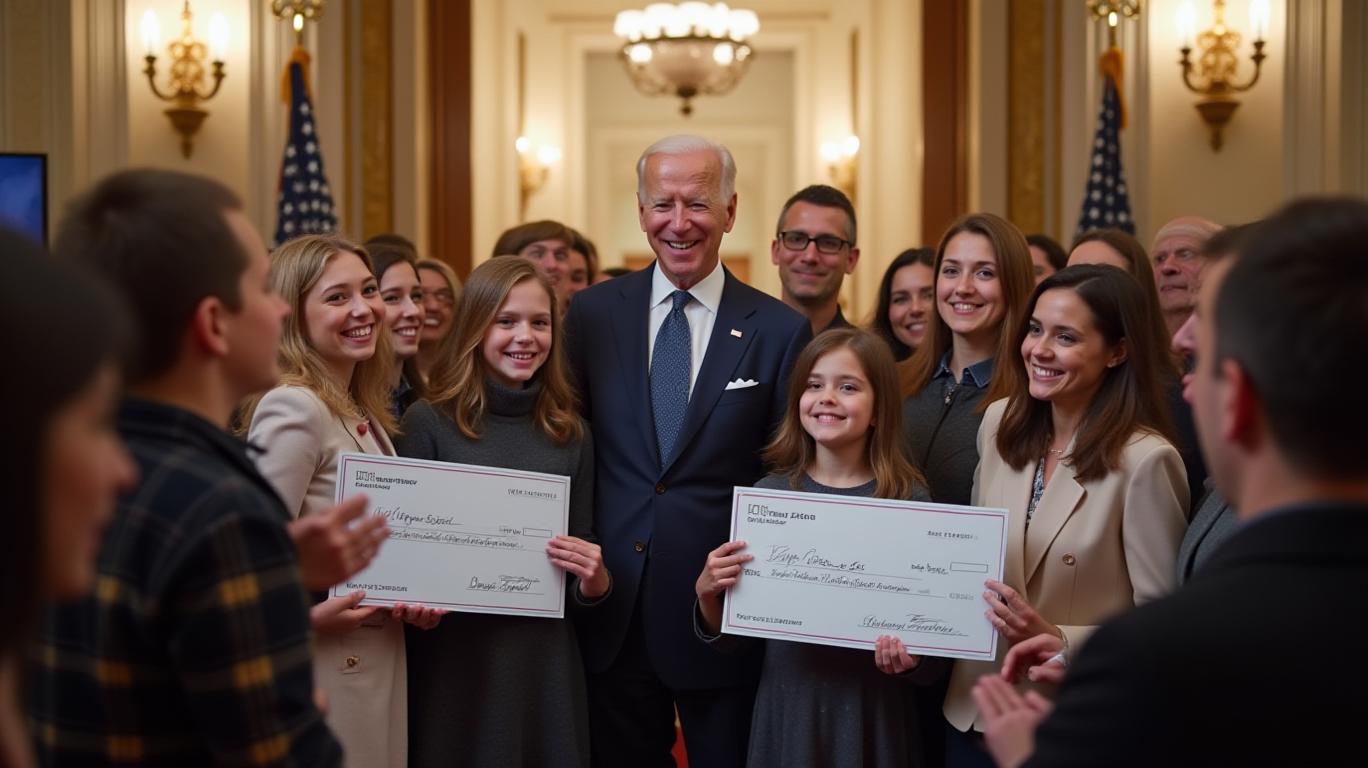
The child tax credit has been a contentious issue in recent years, with Democrats and Republicans clashing over its scope and structure. However, as we approach 2025, there's a glimmer of hope that both sides can find common ground and work together to improve the lives of American families. The credit, which allows parents to claim a tax benefit for each child under 17, has been a lifeline for many families, helping to offset the cost of raising children.
One of the most significant changes to the child tax credit came in 2017 with the passage of the TCJA. The law doubled the maximum credit from $1,000 to $2,000 per child and made it available to families earning up to $400,000, instead of those earning up to $110,000. However, these changes are set to expire at the end of 2025, leaving families in limbo and lawmakers with a decision to make.
As lawmakers grapple with the future of the child tax credit, they must consider the potential economic benefits and drawbacks of indexing the credit to inflation. Indexing the credit to inflation would help retain its value over time, ensuring that it keeps pace with the cost of raising children. This could help more families afford the costs associated with raising children and potentially reduce child poverty. However, it could also increase federal deficits over time and potentially disincentivize work, as families might choose to work less or not at all to maintain their eligibility for the credit.
Despite these potential drawbacks, the evidence from the 2021 expansion of the child tax credit suggests that it can have a positive impact on families without necessarily disincentivizing work. The expansion, which provided monthly payments and increased the credit amount, was found to have reduced child poverty significantly. According to the U.S. Census Bureau, the child tax credit included in the 2021 COVID relief bill reduced child poverty by half.

As lawmakers debate the future of the child tax credit, they must also consider the potential impact on work incentives and labor force participation. While some Republicans have expressed concerns that the credit could disincentivize work, the evidence from the 2021 expansion suggests that it can have a positive impact on families without necessarily disincentivizing work. The expansion of the credit could provide additional financial support to low-income families, allowing them to better afford child care and other necessities. This could potentially increase labor force participation among parents, as they would have more resources to cover child care costs and other expenses related to work.
In conclusion, the child tax credit is set to be a major focus of the 2025 tax debate, with lawmakers from both sides of the aisle eager to find common ground on this popular policy. As they consider the potential economic benefits and drawbacks of indexing the credit to inflation and the potential impact on work incentives and labor force participation, they must keep in mind the best interests of American families. By working together and prioritizing the needs of families, lawmakers can craft a child tax credit that supports families, reduces child poverty, and promotes economic growth.
As the clock ticks down to 2025, lawmakers are gearing up for a significant tax debate, with one subject standing out as a rare point of bipartisan agreement: the child tax credit. With key provisions from the Tax Cuts and Jobs Act (TCJA) set to expire, Congress has an opportunity to extend, modify, or even expand this popular policy. Let's dive into the background and potential outcomes of this crucial discussion.
The child tax credit has been a contentious issue in recent years, with Democrats and Republicans clashing over its scope and structure. However, as we approach 2025, there's a glimmer of hope that both sides can find common ground and work together to improve the lives of American families. The credit, which allows parents to claim a tax benefit for each child under 17, has been a lifeline for many families, helping to offset the cost of raising children.
One of the most significant changes to the child tax credit came in 2017 with the passage of the TCJA. The law doubled the maximum credit from $1,000 to $2,000 per child and made it available to families earning up to $400,000, instead of those earning up to $110,000. However, these changes are set to expire at the end of 2025, leaving families in limbo and lawmakers with a decision to make.
As lawmakers grapple with the future of the child tax credit, they must consider the potential economic benefits and drawbacks of indexing the credit to inflation. Indexing the credit to inflation would help retain its value over time, ensuring that it keeps pace with the cost of raising children. This could help more families afford the costs associated with raising children and potentially reduce child poverty. However, it could also increase federal deficits over time and potentially disincentivize work, as families might choose to work less or not at all to maintain their eligibility for the credit.
Despite these potential drawbacks, the evidence from the 2021 expansion of the child tax credit suggests that it can have a positive impact on families without necessarily disincentivizing work. The expansion, which provided monthly payments and increased the credit amount, was found to have reduced child poverty significantly. According to the U.S. Census Bureau, the child tax credit included in the 2021 COVID relief bill reduced child poverty by half.
As lawmakers debate the future of the child tax credit, they must also consider the potential impact on work incentives and labor force participation. While some Republicans have expressed concerns that the credit could disincentivize work, the evidence from the 2021 expansion suggests that it can have a positive impact on families without necessarily disincentivizing work. The expansion of the credit could provide additional financial support to low-income families, allowing them to better afford child care and other necessities. This could potentially increase labor force participation among parents, as they would have more resources to cover child care costs and other expenses related to work.
In conclusion, the child tax credit is set to be a major focus of the 2025 tax debate, with lawmakers from both sides of the aisle eager to find common ground on this popular policy. As they consider the potential economic benefits and drawbacks of indexing the credit to inflation and the potential impact on work incentives and labor force participation, they must keep in mind the best interests of American families. By working together and prioritizing the needs of families, lawmakers can craft a child tax credit that supports families, reduces child poverty, and promotes economic growth.

Divulgación editorial y transparencia de la IA: Ainvest News utiliza tecnología avanzada de Modelos de Lenguaje Largo (LLM) para sintetizar y analizar datos de mercado en tiempo real. Para garantizar los más altos estándares de integridad, cada artículo se somete a un riguroso proceso de verificación con participación humana.
Mientras la IA asiste en el procesamiento de datos y la redacción inicial, un miembro editorial profesional de Ainvest revisa, verifica y aprueba de forma independiente todo el contenido para garantizar su precisión y cumplimiento con los estándares editoriales de Ainvest Fintech Inc. Esta supervisión humana está diseñada para mitigar las alucinaciones de la IA y garantizar el contexto financiero.
Advertencia sobre inversiones: Este contenido se proporciona únicamente con fines informativos y no constituye asesoramiento profesional de inversión, legal o financiero. Los mercados conllevan riesgos inherentes. Se recomienda a los usuarios que realicen una investigación independiente o consulten a un asesor financiero certificado antes de tomar cualquier decisión. Ainvest Fintech Inc. se exime de toda responsabilidad por las acciones tomadas con base en esta información. ¿Encontró un error? Reportar un problema


SOBRE NOSOTROS
Nuestra historiaAutores de noticiasBase de conocimientosPolítica de privacidadTérmino de usoDescargo de responsabilidad de corretaje de tercerosTérminos de uso de AIMEDivulgaciones de riesgos de AInvest AICarrerasCONTÁCTENOS
Email: support@ainvest.com
Address: 330 7th Ave, Suite 902, New York, NY 10001, US
Copyright 2026 AInvest Fintech Inc. All rights reserved.


Comentarios
Aún no hay comentarios