
Biotech and Autism Research: A High-Stakes Investment Landscape in 2025
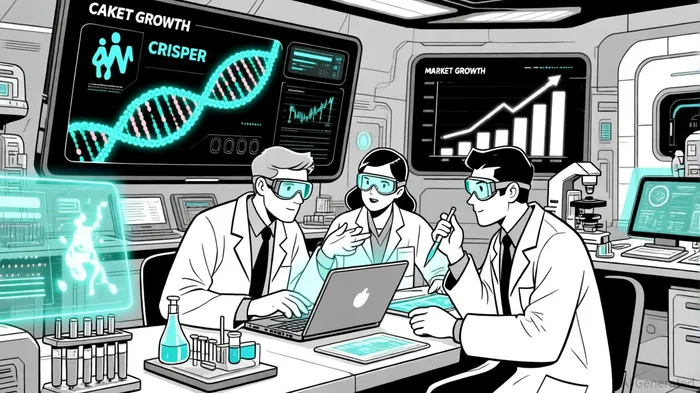
The biotech sector targeting autism spectrum disorder (ASD) is undergoing a seismic shift, driven by groundbreaking scientific advancements and a politically charged regulatory environment. For investors, this convergence of innovation and policy creates both tantalizing opportunities and significant risks. Let's break it down.
Scientific Breakthroughs: Precision Medicine Takes Center Stage
The past year has seen a surge in gene-targeted therapies that could redefine autism treatment. Researchers have now identified . Techniques like (CRISPRa) and (ASOs) are no longer theoretical; they're in clinical trials. For instance, SciSparc Ltd.'s SCI-210, a combination therapy targeting pediatric ASD patients, is in Phase II trials[2]. These therapies are particularly promising for individuals with loss-of-function mutations, a common genetic driver of autism[1].
Meanwhile, small molecule drugs are overcoming the —a historic challenge in neurology—via advanced delivery systems. Companies like Charlotte's Web Holdings are advancing oral solutions like AJA001, which recently cleared Phase I and is now in Phase II[3]. The market is responding: the ASD therapeutics market hit and is projected to grow at a , reaching [2].
Political Crosswinds: Funding Booms and Budgetary Busts
The Autism CARES Act of 2024, signed by in December 2024, is a game-changer. It authorizes over five years for research, education, and training, with a focus on inclusivity and communication needs for non-speaking individuals[4]. This law has galvanized the sector, with the (NIH) now mandated to align its budget with community needs[4].
But here's the rub: , a conservative policy agenda, proposes slashing federal disability funding and converting IDEA (Individuals with Disabilities Education Act) into block grants, which could erode accountability in autism services[5]. Meanwhile, the Trump administration has already cut in early 2025, canceling projects tied to gender diversity or controversial institutions[6]. This tug-of-war between progressive and conservative policies creates a for investors.
Regulatory Tightrope: FDA Approvals and Stem Cell Scrutiny
The FDA is both a gatekeeper and a catalyst. In Q3 2025, it's set to decide on therapies like (for PKU) and (for SMA), signaling its openness to breakthrough treatments[7]. For autism-specific therapies, the FDA's recent guidelines emphasize targeting co-occurring conditions like and anxiety, with tailored drug recommendations (e.g., α2-adrenergic agonists over stimulants for ASD-ADHD)[8].
However, the agency is also cracking down on unproven , which have long been a Wild West in autism treatment[9]. This regulatory clarity is a double-edged sword: it raises the bar for innovation but also increases costs for startups. Companies like Cognoa and JelikaLite Corp. are navigating this landscape by prioritizing FDA clearance to build credibility[3].
Investment Implications: Balancing Optimism and Caution
For investors, the ASD biotech sector is a high-reward, high-risk bet. The scientific pipeline is robust, with CRISPRa/ASO therapies and small molecules poised to disrupt traditional behavioral interventions. However, political headwinds—particularly the potential rollback of Autism CARES Act funding under a future administration—could derail progress.
Key plays to watch:
- SciSparc Ltd. (SCI-210 in Phase II)
- Charlotte's Web Holdings (AJA001's FDA clearance path)
- PTC Therapeutics (sepiapterin's PDUFA date: July 29, 2025)
Risks to monitor:
- Funding volatility from Project 2025 or a Trump re-election.
- FDA delays in approving complex gene therapies.
- Reimbursement challenges as payers demand stricter outcome metrics[10].
Conclusion: A Sector on the Cusp
The autism biotech space is at a pivotal inflection point. Scientific innovation is accelerating, but political and regulatory forces could either turbocharge or throttle its growth. For investors with a high risk tolerance, this is a sector where long-term gains could outweigh short-term turbulence. Just don't bet the farm—yet.





Comentarios
Aún no hay comentarios