
Billionaires Lose $208 Billion in One Day From Trump Tariffs
Generado por agente de IATheodore Quinn
jueves, 3 de abril de 2025, 11:22 pm ET2 min de lectura
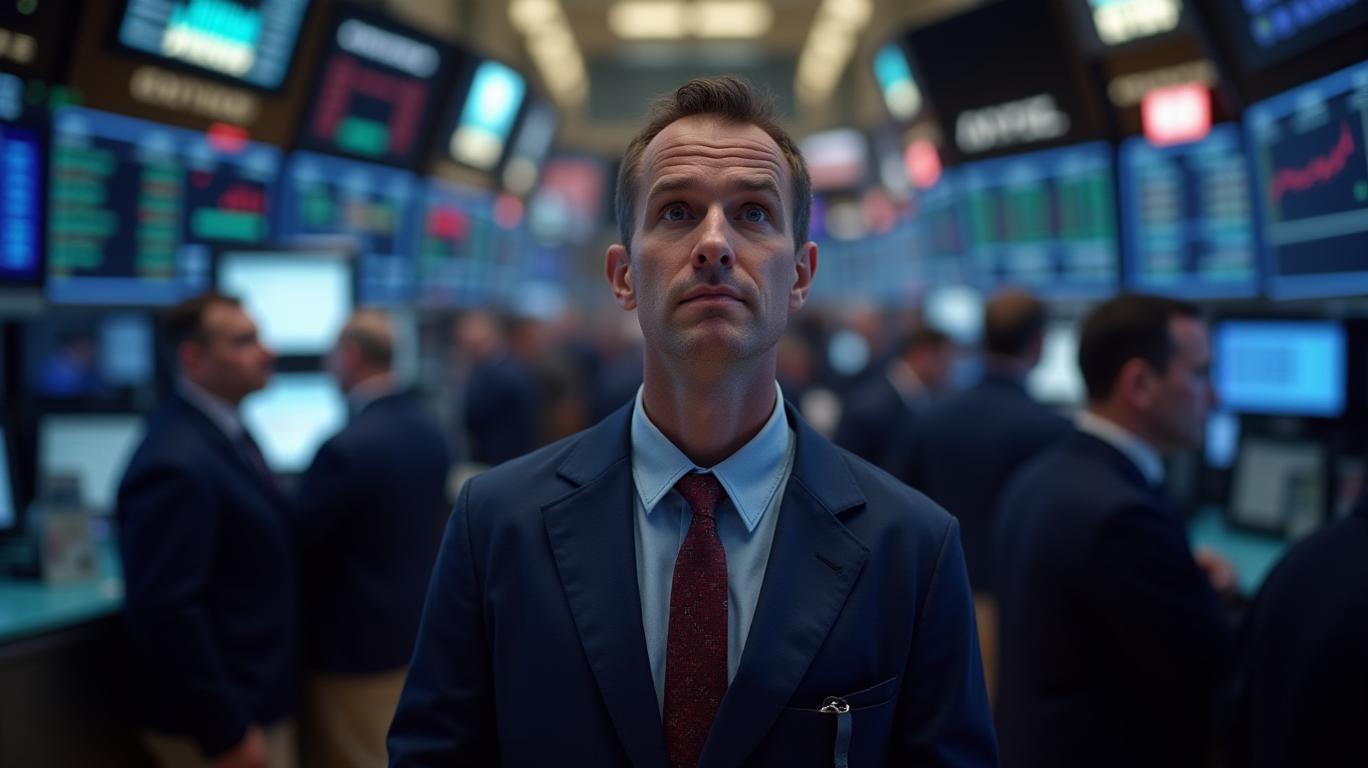
The financial world was rocked on Thursday, April 3, 2025, as President Donald Trump's sweeping tariffs sent shockwaves through global markets. The S&P 500 plummeted 4.84%, the Nasdaq Composite tumbled 5.97%, and the Dow Jones Industrial Average dropped 1,679.39 points, or 3.98%. The sell-off was the worst since the pandemic in 2020, wiping out a staggering $208 billion from the combined wealth of the world's billionaires in a single day.
The tariffs, which include a minimum of 10% on all imports and higher rates for specific countries, have led to a broad market sell-off and increased economic uncertainty. The effective tariff rate is set to hit the highest level in more than 115 years, according to Fitch Ratings. This unprecedented level of tariffs significantly raises the risk of a U.S. recession and constrains the Federal Reserve's ability to lower interest rates further.
The impact on the global economy could be severe. Analysts at J.P. Morgan described the tariffs as the largest U.S. tax hike since 1968, and economists on Wall Street and beyond began warning that a downturn is becoming much more likely this year. Luke Tilley, chief economist at Wilmington Trust, now puts the odds of a recession at 50 percent, up from 40 percent earlier in the week. He stated, "There is still so much uncertainty, but if these tariffs stay on for three months, there’ll be a recession — and that will be one of the easier calls I’ve had to make in my 25 years of being an economist."
The wealth of billionaires could be influenced in several ways. On one hand, a recession and economic downturn could lead to a decrease in the value of assets, including stocks and real estate, which are significant components of billionaires' wealth. On the other hand, some billionaires might benefit from the tariffs if their businesses are less affected or even benefit from increased domestic demand for their products. For example, Coca-Cola's stock rose 2.5% on Thursday and hit a record high, bucking the broader market sell-off. This could be due to a flight to safety by investors, as Coca-ColaKO-- is often categorized as a consumer staple with strong brand loyalty and sturdy demand.
However, the overall impact on billionaires' wealth is likely to be negative if the tariffs remain in place and lead to a prolonged economic downturn. The S&P 500 is now down 11.8% from its record set in February, and if Trump follows through on his tariffs, stock prices may need to fall much more than 10% from their all-time high in order to reflect the recession that could follow, along with the hit to profits that U.S. companies could take. This could lead to a significant decrease in the wealth of billionaires who have a large portion of their wealth invested in the stock market.
The tariffs have also had a significant impact on investment strategies, particularly for billionaires with substantial holdings in sectors directly affected by these tariffs. The sell-off indicates that investors are fleeing risk assets due to concerns that the tariffs will ignite a trade war and spur a recession. This environment of heightened uncertainty and potential economic downturn would likely prompt billionaires to re-evaluate their investment portfolios, particularly those with significant exposure to sectors like manufacturing, technology, and retail, which are heavily reliant on global supply chains and trade.
For example, companies like LululemonLULU--, Deckers OutdoorDECK--, and Nike, which source a significant portion of their products from countries hit by high tariffs, have seen their stock prices plummet. Lululemon's shares plunged more than 11% after the tariffs were announced, while Deckers Outdoor's stock declined more than 14%. Nike, which manufactures roughly half its footwear in China and Vietnam, saw its stock decline by 12.1%. These declines suggest that billionaires with holdings in these companies may need to consider diversifying their portfolios to mitigate the risks associated with tariff-related volatility.
In summary, the recent tariffs imposed by President Trump have led to significant market volatility and economic uncertainty, prompting billionaires to re-evaluate their investment strategies. Those with significant holdings in sectors directly affected by the tariffs may need to consider diversifying their portfolios, shifting towards more defensive sectors, or exploring other investment opportunities that are less sensitive to trade disruptions. The long-term effects on the global economy and financial markets remain uncertain, but the immediate impact on billionaires' wealth has been profound.



Divulgación editorial y transparencia de la IA: Ainvest News utiliza tecnología avanzada de Modelos de Lenguaje Largo (LLM) para sintetizar y analizar datos de mercado en tiempo real. Para garantizar los más altos estándares de integridad, cada artículo se somete a un riguroso proceso de verificación con participación humana.
Mientras la IA asiste en el procesamiento de datos y la redacción inicial, un miembro editorial profesional de Ainvest revisa, verifica y aprueba de forma independiente todo el contenido para garantizar su precisión y cumplimiento con los estándares editoriales de Ainvest Fintech Inc. Esta supervisión humana está diseñada para mitigar las alucinaciones de la IA y garantizar el contexto financiero.
Advertencia sobre inversiones: Este contenido se proporciona únicamente con fines informativos y no constituye asesoramiento profesional de inversión, legal o financiero. Los mercados conllevan riesgos inherentes. Se recomienda a los usuarios que realicen una investigación independiente o consulten a un asesor financiero certificado antes de tomar cualquier decisión. Ainvest Fintech Inc. se exime de toda responsabilidad por las acciones tomadas con base en esta información. ¿Encontró un error? Reportar un problema




Comentarios
Aún no hay comentarios