
Billionaire Bloomberg's Challenge to Boeing's Space Ambitions
Generado por agente de IAWesley Park
domingo, 24 de noviembre de 2024, 7:14 am ET2 min de lectura
BA--
RCKT--
SLS--
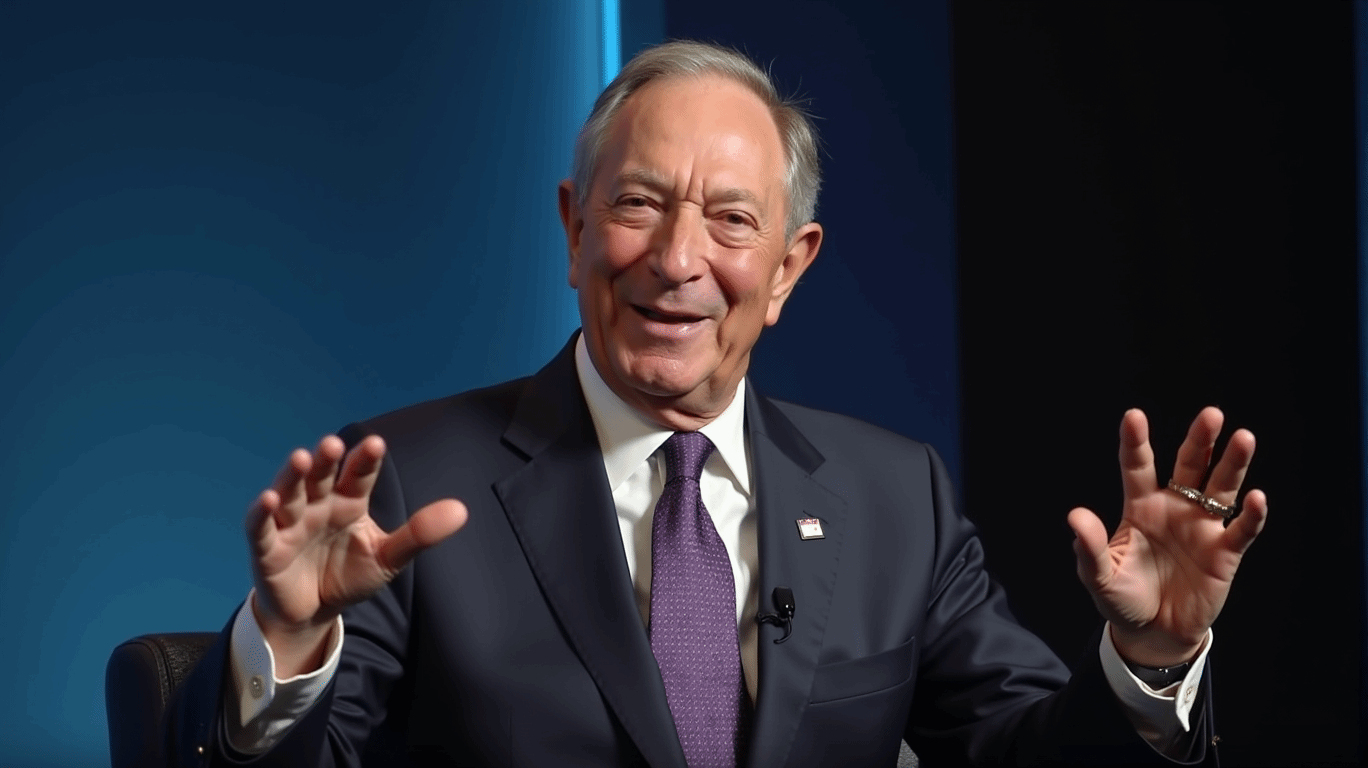
Michael Bloomberg, the billionaire founder of the Bloomberg financial news service, has thrown a wrench into Boeing's (BA) space plans with his recent opinion piece. In it, he argues that Boeing's Space Launch System (SLS) for NASA's Artemis program is a costly and inefficient boondoggle. Bloomberg believes that SpaceX's Starship could be a more cost-effective and reliable alternative for NASA's lunar exploration plans.
Boeing's SLS is NASA's most expensive project to date, with an estimated future cost exceeding $82 billion. The rocket has launched just once, costing NASA $4 billion, which is quadruple the initial estimates. Bloomberg argues that the SLS' immense price tag doesn't even guarantee the capability it was designed for, as it requires a $5 billion Lunar Gateway space station and expensive upgrades to launch it.
In contrast, Bloomberg praises SpaceX's Starship, which is projected to cost under $1 billion per launch. Starship is also more adaptable, capable of delivering cargo and crew to the moon and Mars. This versatility, combined with its lower cost, could save taxpayers billions and accelerate NASA's return to the moon.
If NASA were to abandon the SLS in favor of SpaceX's Starship, the political and financial repercussions would be significant. NASA has already invested nearly $24 billion in SLS, with estimates for the total cost exceeding $82 billion. Canceling SLS would lead to substantial job losses at Boeing and its supply chain, given that the rocket is Boeing's biggest project in space. Moreover, it could have regional economic impacts, as many suppliers are located in politically important states.
On the financial side, Boeing stands to lose a significant revenue stream, potentially leading to further restructuring or divestments, as seen with its recent review of Starliner operations. Politically, such a decision could face resistance from lawmakers representing affected regions and industries.
However, if NASA and the U.S. government deem the switch to Starship more cost-effective and feasible, the benefits could outweigh the short-term pain. A more competitive and innovative space industry could emerge, with increased competition driving technological advancements and reducing costs.
Other space industry players, such as Blue Origin and Lockheed Martin, could also factor into the decision-making process. Blue Origin's New Glenn rocket and Lockheed Martin's experience in launch services could offer alternative launch vehicles for NASA to consider. Additionally, NASA might explore using commercial crew transportation systems like SpaceX's Crew Dragon for future missions to the Moon.
In conclusion, Michael Bloomberg's critique of Boeing's SLS has raised questions about the project's future and potential alternatives. While Boeing remains the prime contractor for SLS, the strategic benefits of relying on SpaceX for space transportation could outweigh the short-term costs. As NASA and the U.S. government evaluate their options, the future of American space exploration hangs in the balance.
Boeing's SLS is NASA's most expensive project to date, with an estimated future cost exceeding $82 billion. The rocket has launched just once, costing NASA $4 billion, which is quadruple the initial estimates. Bloomberg argues that the SLS' immense price tag doesn't even guarantee the capability it was designed for, as it requires a $5 billion Lunar Gateway space station and expensive upgrades to launch it.
In contrast, Bloomberg praises SpaceX's Starship, which is projected to cost under $1 billion per launch. Starship is also more adaptable, capable of delivering cargo and crew to the moon and Mars. This versatility, combined with its lower cost, could save taxpayers billions and accelerate NASA's return to the moon.
If NASA were to abandon the SLS in favor of SpaceX's Starship, the political and financial repercussions would be significant. NASA has already invested nearly $24 billion in SLS, with estimates for the total cost exceeding $82 billion. Canceling SLS would lead to substantial job losses at Boeing and its supply chain, given that the rocket is Boeing's biggest project in space. Moreover, it could have regional economic impacts, as many suppliers are located in politically important states.
On the financial side, Boeing stands to lose a significant revenue stream, potentially leading to further restructuring or divestments, as seen with its recent review of Starliner operations. Politically, such a decision could face resistance from lawmakers representing affected regions and industries.
However, if NASA and the U.S. government deem the switch to Starship more cost-effective and feasible, the benefits could outweigh the short-term pain. A more competitive and innovative space industry could emerge, with increased competition driving technological advancements and reducing costs.
Other space industry players, such as Blue Origin and Lockheed Martin, could also factor into the decision-making process. Blue Origin's New Glenn rocket and Lockheed Martin's experience in launch services could offer alternative launch vehicles for NASA to consider. Additionally, NASA might explore using commercial crew transportation systems like SpaceX's Crew Dragon for future missions to the Moon.
In conclusion, Michael Bloomberg's critique of Boeing's SLS has raised questions about the project's future and potential alternatives. While Boeing remains the prime contractor for SLS, the strategic benefits of relying on SpaceX for space transportation could outweigh the short-term costs. As NASA and the U.S. government evaluate their options, the future of American space exploration hangs in the balance.

Divulgación editorial y transparencia de la IA: Ainvest News utiliza tecnología avanzada de Modelos de Lenguaje Largo (LLM) para sintetizar y analizar datos de mercado en tiempo real. Para garantizar los más altos estándares de integridad, cada artículo se somete a un riguroso proceso de verificación con participación humana.
Mientras la IA asiste en el procesamiento de datos y la redacción inicial, un miembro editorial profesional de Ainvest revisa, verifica y aprueba de forma independiente todo el contenido para garantizar su precisión y cumplimiento con los estándares editoriales de Ainvest Fintech Inc. Esta supervisión humana está diseñada para mitigar las alucinaciones de la IA y garantizar el contexto financiero.
Advertencia sobre inversiones: Este contenido se proporciona únicamente con fines informativos y no constituye asesoramiento profesional de inversión, legal o financiero. Los mercados conllevan riesgos inherentes. Se recomienda a los usuarios que realicen una investigación independiente o consulten a un asesor financiero certificado antes de tomar cualquier decisión. Ainvest Fintech Inc. se exime de toda responsabilidad por las acciones tomadas con base en esta información. ¿Encontró un error? Reportar un problema


SOBRE NOSOTROS
Nuestra historiaAutores de noticiasBase de conocimientosPolítica de privacidadTérmino de usoDescargo de responsabilidad de corretaje de tercerosTérminos de uso de AIMEDivulgaciones de riesgos de AInvest AICarrerasCONTÁCTENOS
Email: support@ainvest.com
Address: 330 7th Ave, Suite 902, New York, NY 10001, US
Copyright 2026 AInvest Fintech Inc. All rights reserved.


Comentarios
Aún no hay comentarios