
BigBear.ai Stock Plummets: A Perfect Storm of Macro and Micro Factors
Generado por agente de IAMarcus Lee
sábado, 1 de marzo de 2025, 5:38 pm ET1 min de lectura
BBAI--
BigBear.ai (BBAI) stock experienced a significant sell-off this week, with its share price ending the stretch down 17.1%. The company's valuation saw a big setback in conjunction with the market's renewed focus on macroeconomic risk factors and Nvidia's fourth-quarter report. This article explores the primary reasons behind BigBear.ai's stock price decline and the potential implications for the company's future performance.
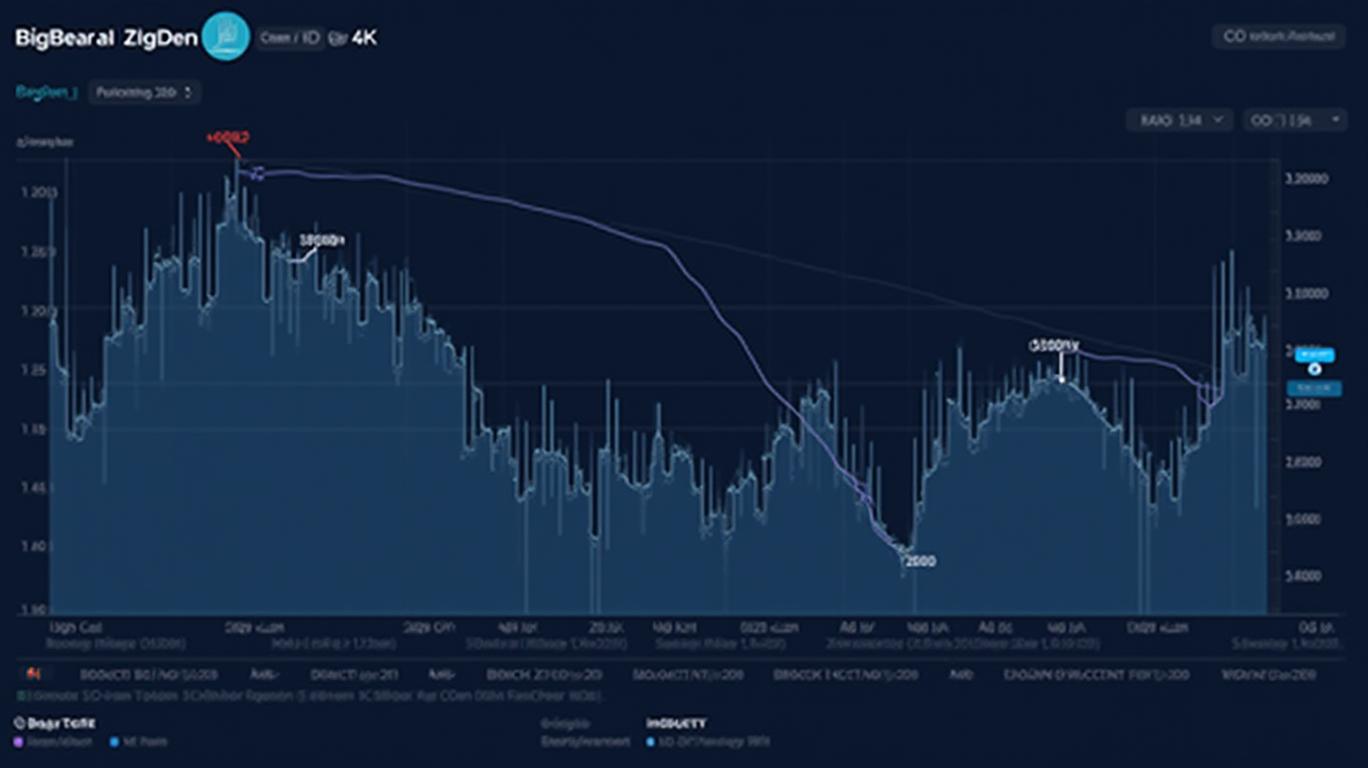
Macroeconomic concerns and trade war dynamics weighed heavily on BigBear.ai's stock this week. A series of hotter-concerning macroeconomic indicators last week, combined with trade war dynamics, added to existing concerns about inflationary pressures. The Trump administration's plans to impose new tariffs on Canada and Mexico, as well as potential restrictions on exporting semiconductors and chip manufacturing equipment to China, created uncertainty and spooked investors. These macroeconomic headwinds, coupled with a risk-off environment, negatively impacted companies like BigBear.ai that are not yet consistently profitable.
Nvidia's fourth-quarter report also played a significant role in the sell-off of BigBear.ai's stock. NvidiaNVDA-- posted earnings per share of $0.89 on sales of $39.33 billion, beating the average Wall Street estimate. Initially, valuations for Nvidia and other AI stocks, including BigBear.ai, rose following the report. However, sentiment quickly turned bearish when Nvidia's CFO raised concerns that new export restrictions could negatively impact future performance. This commentary helped spur a big pullback for BigBear.ai and other artificial intelligence stocks, as investors became more risk-averse and reassessed their positions in the sector.
BigBear.ai's recent stock price decline is a sharp reversal from its earlier 2025 gains, but it is not attributable to a single cause. Instead, multiple factors are exerting downward pressure on investor sentiment and the company's perceived near-term prospects. The most significant factor is the Trump administration's announcement of substantial defense budget cuts, which directly impacts BigBear.ai's core business model. The company's revenue stream is heavily reliant on securing government contracts, particularly within the defense and intelligence sectors. The prospect of reduced DOD spending creates significant uncertainty about BigBear.ai's ability to win new contracts and maintain existing revenue streams at prior levels in the coming years.
In conclusion, BigBear.ai's stock price decline this week is the result of a perfect storm of macroeconomic concerns, trade war dynamics, and the market's reaction to Nvidia's Q4 report. The company's heavy reliance on government contracts, combined with its continued unprofitability, has contributed to the stock's decline. As investors reassess their positions in the AI sector and the broader market, BigBear.ai will need to address these concerns and demonstrate its ability to adapt to the changing landscape to regain investor confidence.
NVDA--
BigBear.ai (BBAI) stock experienced a significant sell-off this week, with its share price ending the stretch down 17.1%. The company's valuation saw a big setback in conjunction with the market's renewed focus on macroeconomic risk factors and Nvidia's fourth-quarter report. This article explores the primary reasons behind BigBear.ai's stock price decline and the potential implications for the company's future performance.
Macroeconomic concerns and trade war dynamics weighed heavily on BigBear.ai's stock this week. A series of hotter-concerning macroeconomic indicators last week, combined with trade war dynamics, added to existing concerns about inflationary pressures. The Trump administration's plans to impose new tariffs on Canada and Mexico, as well as potential restrictions on exporting semiconductors and chip manufacturing equipment to China, created uncertainty and spooked investors. These macroeconomic headwinds, coupled with a risk-off environment, negatively impacted companies like BigBear.ai that are not yet consistently profitable.
Nvidia's fourth-quarter report also played a significant role in the sell-off of BigBear.ai's stock. NvidiaNVDA-- posted earnings per share of $0.89 on sales of $39.33 billion, beating the average Wall Street estimate. Initially, valuations for Nvidia and other AI stocks, including BigBear.ai, rose following the report. However, sentiment quickly turned bearish when Nvidia's CFO raised concerns that new export restrictions could negatively impact future performance. This commentary helped spur a big pullback for BigBear.ai and other artificial intelligence stocks, as investors became more risk-averse and reassessed their positions in the sector.
BigBear.ai's recent stock price decline is a sharp reversal from its earlier 2025 gains, but it is not attributable to a single cause. Instead, multiple factors are exerting downward pressure on investor sentiment and the company's perceived near-term prospects. The most significant factor is the Trump administration's announcement of substantial defense budget cuts, which directly impacts BigBear.ai's core business model. The company's revenue stream is heavily reliant on securing government contracts, particularly within the defense and intelligence sectors. The prospect of reduced DOD spending creates significant uncertainty about BigBear.ai's ability to win new contracts and maintain existing revenue streams at prior levels in the coming years.
In conclusion, BigBear.ai's stock price decline this week is the result of a perfect storm of macroeconomic concerns, trade war dynamics, and the market's reaction to Nvidia's Q4 report. The company's heavy reliance on government contracts, combined with its continued unprofitability, has contributed to the stock's decline. As investors reassess their positions in the AI sector and the broader market, BigBear.ai will need to address these concerns and demonstrate its ability to adapt to the changing landscape to regain investor confidence.

Divulgación editorial y transparencia de la IA: Ainvest News utiliza tecnología avanzada de Modelos de Lenguaje Largo (LLM) para sintetizar y analizar datos de mercado en tiempo real. Para garantizar los más altos estándares de integridad, cada artículo se somete a un riguroso proceso de verificación con participación humana.
Mientras la IA asiste en el procesamiento de datos y la redacción inicial, un miembro editorial profesional de Ainvest revisa, verifica y aprueba de forma independiente todo el contenido para garantizar su precisión y cumplimiento con los estándares editoriales de Ainvest Fintech Inc. Esta supervisión humana está diseñada para mitigar las alucinaciones de la IA y garantizar el contexto financiero.
Advertencia sobre inversiones: Este contenido se proporciona únicamente con fines informativos y no constituye asesoramiento profesional de inversión, legal o financiero. Los mercados conllevan riesgos inherentes. Se recomienda a los usuarios que realicen una investigación independiente o consulten a un asesor financiero certificado antes de tomar cualquier decisión. Ainvest Fintech Inc. se exime de toda responsabilidad por las acciones tomadas con base en esta información. ¿Encontró un error? Reportar un problema




Comentarios
Aún no hay comentarios