
Big Tech's Power Play: Plugging Data Centers Directly into Power Plants
Generado por agente de IACyrus Cole
sábado, 25 de enero de 2025, 9:56 am ET2 min de lectura
AMZN--
In the rapidly evolving landscape of data center infrastructure, tech giants are exploring innovative ways to meet their growing energy demands. One such approach is to connect data centers directly to power plants, bypassing the traditional grid. While this strategy offers several potential benefits, it has also raised concerns about fairness and sustainability among utility providers. This article delves into the implications of this trend and the regulatory challenges that lie ahead.
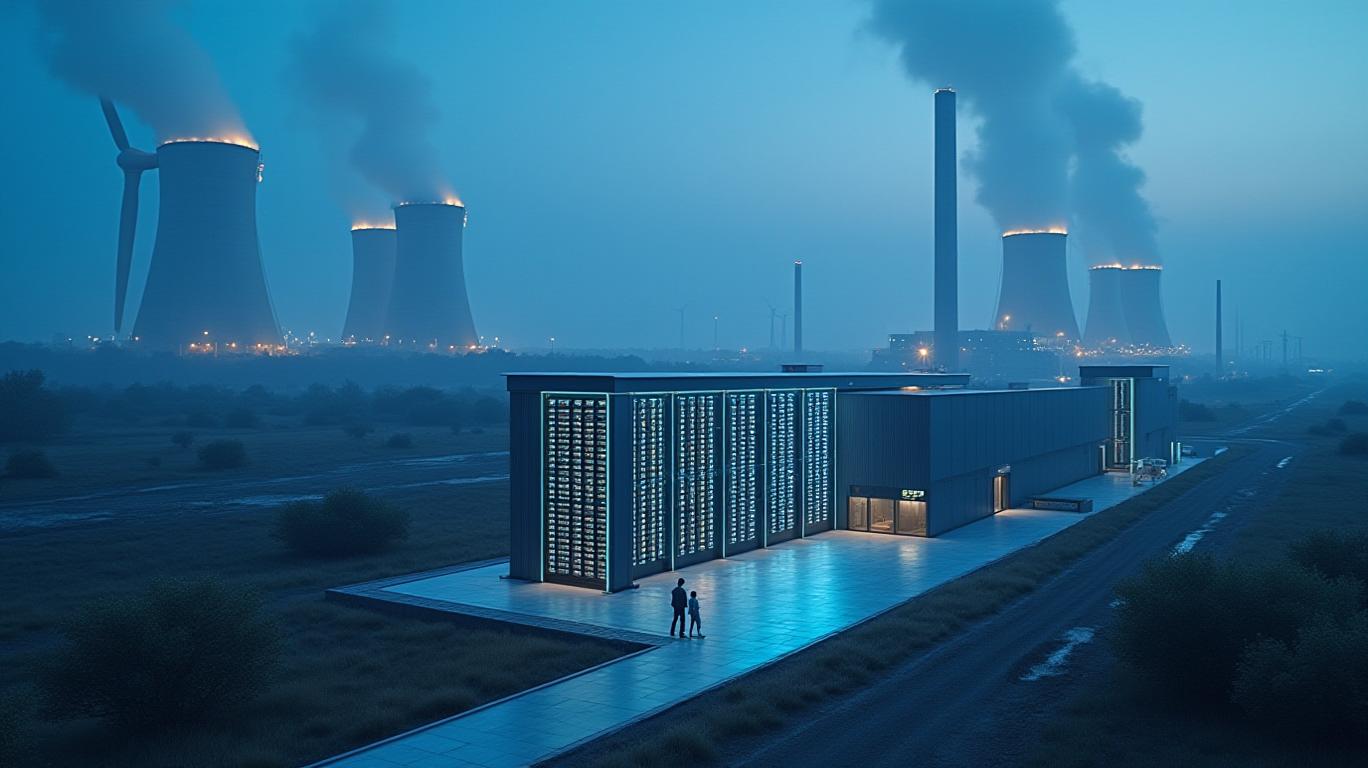
The Allure of Direct Power Plant Connections
Direct connections to power plants, often referred to as "behind the meter" connections, present an attractive option for data centers seeking reliable and cost-effective power sources. By bypassing the grid, data centers can:
1. Ensure a stable and reliable power supply: Direct connections to power plants, such as the one proposed between Amazon Web Services (AWS) and the Susquehanna nuclear plant in Pennsylvania, provide a consistent and reliable power source for data centers (AP, 2024).
2. Save on grid interconnection costs: Avoiding the need to connect to the congested electricity grid can result in significant cost savings, as getting connected to the grid can take years and millions of dollars (AP, 2024).
3. Reduce transmission losses: Direct connections can help minimize transmission losses, as the power is delivered directly to the data center without traveling through the grid. This can result in significant energy savings and reduced greenhouse gas emissions (ISO/IEC, 2021).
4. Accelerate data center deployment: Direct power plant connections can speed up the deployment of data centers, as they eliminate the need to wait for grid interconnection. This can help data centers meet their business needs more quickly and stay competitive in the market (AP, 2024).
5. Reduce carbon footprint: By relying on low-carbon power sources like nuclear or renewable energy, data centers can reduce their overall carbon footprint (AP, 2024).
Utility Providers' Concerns
While direct power plant connections offer numerous benefits for data centers, utility providers have raised concerns about the potential impacts on energy prices and availability for other consumers. Some of these concerns include:
1. Increased energy demand: Direct connections could lead to higher energy demand, potentially increasing prices for other consumers if the demand outstrips supply.
2. Reduced transmission capacity: Bypassing the grid reduces available transmission capacity for other consumers, which could lead to congestion and further increase energy prices.
3. Potential for market manipulation: Power plant owners could potentially manipulate the market by withholding power from the grid to sell it directly to higher-paying customers like data centers, leading to artificial scarcity and higher prices for other consumers.
4. Impact on renewable energy integration: Direct connections could potentially displace renewable energy sources by reducing the demand for power from the grid, hindering the transition to a cleaner energy mix.
Regulatory Challenges and Solutions
To address these concerns and facilitate the integration of direct power plant connections for data centers while ensuring fairness and sustainability, several regulatory changes and incentives could be considered. These include:
1. FERC Reforms: The Federal Energy Regulatory Commission (FERC) could implement reforms to address the concerns raised by the Susquehanna-AWS deal, such as establishing clear guidelines for behind-the-meter connections, evaluating the impact of such deals on energy prices and grid reliability, and considering the potential benefits of these connections (AP, 2023).
2. State-level Incentives: State regulatory agencies could offer incentives for data centers to connect directly to power plants, provided they meet certain sustainability and fairness criteria, such as tax breaks or rebates for data centers that connect to renewable energy sources, streamlined permitting processes, or carbon pricing mechanisms (Oklo, 2023).
3. Transmission Infrastructure Investment: Investing in transmission infrastructure could help alleviate concerns about grid congestion and ensure fairness, such as federal or state funding for transmission line upgrades and expansions, streamlined permitting processes for transmission infrastructure projects, or promoting the co-location of data centers with renewable energy sources (American Council on Renewable Energy, 2023; Grid Strategies, 2023).
In conclusion, direct power plant connections offer several potential benefits for data centers, such as reliable and cost-effective power sources, reduced transmission losses, and accelerated deployment. However, utility providers have raised concerns about the potential impacts on energy prices and availability for other consumers. To address these concerns and facilitate the integration of direct power plant connections for data centers while ensuring fairness and sustainability, policymakers should consider implementing regulatory changes and incentives, such as FERC reforms, state-level incentives, and transmission infrastructure investment. By doing so, they can help create a more sustainable and equitable energy landscape for all stakeholders.
AP--
In the rapidly evolving landscape of data center infrastructure, tech giants are exploring innovative ways to meet their growing energy demands. One such approach is to connect data centers directly to power plants, bypassing the traditional grid. While this strategy offers several potential benefits, it has also raised concerns about fairness and sustainability among utility providers. This article delves into the implications of this trend and the regulatory challenges that lie ahead.
The Allure of Direct Power Plant Connections
Direct connections to power plants, often referred to as "behind the meter" connections, present an attractive option for data centers seeking reliable and cost-effective power sources. By bypassing the grid, data centers can:
1. Ensure a stable and reliable power supply: Direct connections to power plants, such as the one proposed between Amazon Web Services (AWS) and the Susquehanna nuclear plant in Pennsylvania, provide a consistent and reliable power source for data centers (AP, 2024).
2. Save on grid interconnection costs: Avoiding the need to connect to the congested electricity grid can result in significant cost savings, as getting connected to the grid can take years and millions of dollars (AP, 2024).
3. Reduce transmission losses: Direct connections can help minimize transmission losses, as the power is delivered directly to the data center without traveling through the grid. This can result in significant energy savings and reduced greenhouse gas emissions (ISO/IEC, 2021).
4. Accelerate data center deployment: Direct power plant connections can speed up the deployment of data centers, as they eliminate the need to wait for grid interconnection. This can help data centers meet their business needs more quickly and stay competitive in the market (AP, 2024).
5. Reduce carbon footprint: By relying on low-carbon power sources like nuclear or renewable energy, data centers can reduce their overall carbon footprint (AP, 2024).
Utility Providers' Concerns
While direct power plant connections offer numerous benefits for data centers, utility providers have raised concerns about the potential impacts on energy prices and availability for other consumers. Some of these concerns include:
1. Increased energy demand: Direct connections could lead to higher energy demand, potentially increasing prices for other consumers if the demand outstrips supply.
2. Reduced transmission capacity: Bypassing the grid reduces available transmission capacity for other consumers, which could lead to congestion and further increase energy prices.
3. Potential for market manipulation: Power plant owners could potentially manipulate the market by withholding power from the grid to sell it directly to higher-paying customers like data centers, leading to artificial scarcity and higher prices for other consumers.
4. Impact on renewable energy integration: Direct connections could potentially displace renewable energy sources by reducing the demand for power from the grid, hindering the transition to a cleaner energy mix.
Regulatory Challenges and Solutions
To address these concerns and facilitate the integration of direct power plant connections for data centers while ensuring fairness and sustainability, several regulatory changes and incentives could be considered. These include:
1. FERC Reforms: The Federal Energy Regulatory Commission (FERC) could implement reforms to address the concerns raised by the Susquehanna-AWS deal, such as establishing clear guidelines for behind-the-meter connections, evaluating the impact of such deals on energy prices and grid reliability, and considering the potential benefits of these connections (AP, 2023).
2. State-level Incentives: State regulatory agencies could offer incentives for data centers to connect directly to power plants, provided they meet certain sustainability and fairness criteria, such as tax breaks or rebates for data centers that connect to renewable energy sources, streamlined permitting processes, or carbon pricing mechanisms (Oklo, 2023).
3. Transmission Infrastructure Investment: Investing in transmission infrastructure could help alleviate concerns about grid congestion and ensure fairness, such as federal or state funding for transmission line upgrades and expansions, streamlined permitting processes for transmission infrastructure projects, or promoting the co-location of data centers with renewable energy sources (American Council on Renewable Energy, 2023; Grid Strategies, 2023).
In conclusion, direct power plant connections offer several potential benefits for data centers, such as reliable and cost-effective power sources, reduced transmission losses, and accelerated deployment. However, utility providers have raised concerns about the potential impacts on energy prices and availability for other consumers. To address these concerns and facilitate the integration of direct power plant connections for data centers while ensuring fairness and sustainability, policymakers should consider implementing regulatory changes and incentives, such as FERC reforms, state-level incentives, and transmission infrastructure investment. By doing so, they can help create a more sustainable and equitable energy landscape for all stakeholders.

Divulgación editorial y transparencia de la IA: Ainvest News utiliza tecnología avanzada de Modelos de Lenguaje Largo (LLM) para sintetizar y analizar datos de mercado en tiempo real. Para garantizar los más altos estándares de integridad, cada artículo se somete a un riguroso proceso de verificación con participación humana.
Mientras la IA asiste en el procesamiento de datos y la redacción inicial, un miembro editorial profesional de Ainvest revisa, verifica y aprueba de forma independiente todo el contenido para garantizar su precisión y cumplimiento con los estándares editoriales de Ainvest Fintech Inc. Esta supervisión humana está diseñada para mitigar las alucinaciones de la IA y garantizar el contexto financiero.
Advertencia sobre inversiones: Este contenido se proporciona únicamente con fines informativos y no constituye asesoramiento profesional de inversión, legal o financiero. Los mercados conllevan riesgos inherentes. Se recomienda a los usuarios que realicen una investigación independiente o consulten a un asesor financiero certificado antes de tomar cualquier decisión. Ainvest Fintech Inc. se exime de toda responsabilidad por las acciones tomadas con base en esta información. ¿Encontró un error? Reportar un problema




Comentarios
Aún no hay comentarios