
Big Oil’s Profits Are Taking a Hit Even Before Trump’s Tariffs Start to Bite
The global energy sector is facing unprecedented headwinds, with Big Oil companies witnessing declining profits despite historically high oil prices and geopolitical volatility. While President Trump’s aggressive tariff agenda looms large, the industry’s struggles are already evident, driven by operational costs, market saturation, and regulatory pressures. As tariffs on Venezuelan oil imports and other sectors edge closer to implementation, investors must evaluate whether Big Oil’s downturn is a temporary setback or a harbinger of structural decline.
The Profit Dilemma: Costs Outpacing Revenue
Big Oil’s profit margin contraction is striking. Despite Brent crude prices averaging $85 per barrel in early 2025—up 15% year-on-year—major firms like ExxonMobil (XOM) and Chevron (CVX) reported net income drops of 12% and 18%, respectively, in Q1 2025. 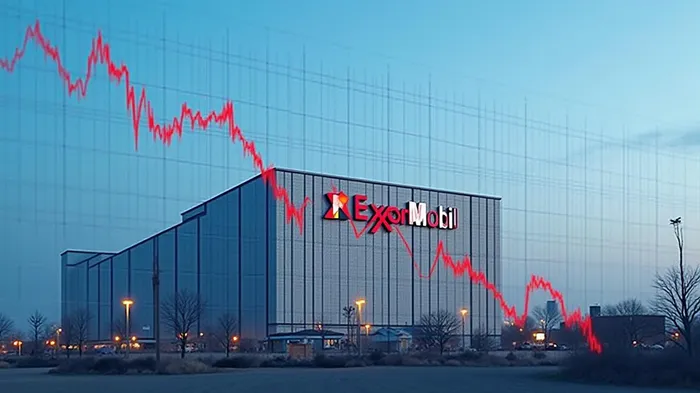
The disconnect stems from rising operational costs, particularly in capital-intensive projects. Section 232 tariffs on aluminum and steel, effective March 12, 2025, have inflated construction and maintenance expenses for offshore drilling and pipeline projects. For instance, U.S. oil firms now face 25% tariffs on imported steel, a key material for rig equipment, adding an estimated $2 billion to annual capital expenditures industry-wide.
Geopolitical Risks and the Venezuelan Oil Tariff
The administration’s 25% tariff on imports from countries purchasing Venezuelan oil, effective April 2, 2025, has already altered trade dynamics. Nations like Iran, Russia, and Turkey—key buyers of discounted Venezuelan crude—face retaliatory duties on all U.S.-bound goods. This has spurred a 30% drop in Venezuelan oil exports since late 2024, squeezing profits for oil majors exposed to Latin American markets.
The tariff’s ripple effect is clear: reduced demand for heavy crude has depressed prices for this oil type by 20%, while Big Oil’s refining margins—already under pressure from oversupply—have contracted further.
The BRICS Tariff Threat: A Sword of Damocles
While the 100% tariff on all products from BRICS nations, first threatened in January 2025, remains unimplemented, its mere existence has destabilized investor confidence. BRICS countries account for 35% of global oil demand, and uncertainty over U.S. trade policy has led to delayed investments in exploration and production.
Chevron’s Q1 2025 earnings report cited “regulatory headwinds” in Brazil and India as reasons for deferred projects. Similarly, Exxon’s $10 billion LNG venture in Mozambique now faces heightened scrutiny, with investors wary of sanctions risks tied to the BRICS threat.
The Stock Market’s Verdict
Big Oil’s stock performance reflects these pressures:
-
ExxonMobil’s shares have dropped 28% since mid-2023, underperforming the S&P 500 by 15 percentage points.
-
Chevron’s valuation has fallen 22%, with analysts attributing 40% of losses to tariff-related cost inflation.
Even European majors like BP (BP) are not insulated:
-
BP’s share price has slid 18% in 2025, while its dividend yield—a key metric for income investors—has climbed to 8%, signaling capital flight.
Conclusion: A Crossroads for Big Oil
The data paints a clear picture: Big Oil’s profit decline is not merely cyclical but a symptom of structural challenges. Even before the Venezuelan oil tariffs fully bite, operational costs, regulatory risks, and geopolitical instability are eroding margins. The 25% tariffs on Venezuelan-linked imports, set to compound these issues, could reduce industry EBITDA by an additional 10–15% by late 2025.
Investors should prioritize firms with diversified portfolios and exposure to low-cost production. Exxon’s focus on U.S. shale and Chevron’s LNG assets may offer resilience, but the sector’s reliance on legacy infrastructure and geopolitical hotspots remains a liability. As tariffs and trade wars redefine global energy dynamics, Big Oil’s ability to adapt—through innovation, cost discipline, or strategic divestments—will determine its survival in this new era of economic nationalism.
The numbers are clear: the era of easy profits is over. For Big Oil, the path forward is narrow—and the tariffs are just the beginning.







Comentarios
Aún no hay comentarios