
Biden's National Security Concerns Block U.S. Steel Takeover by Nippon Steel
Generado por agente de IAWesley Park
viernes, 3 de enero de 2025, 8:27 am ET1 min de lectura
CLF--
As President Joe Biden announced his decision to block the $14.1 billion acquisition of U.S. Steel by Japan's Nippon Steel, the steel industry and investors are left grappling with the implications of this move. The White House cited national security concerns as the primary reason for the rejection, with both companies signaling their intent to pursue legal action if Biden formally blocked the deal.

The acquisition, which was backed by U.S. Steel shareholders, would have seen the iconic American company remain headquartered in Pittsburgh, with Nippon Steel becoming its majority owner. However, Biden's rejection of the deal has cast a pall over U.S. Steel's future, as it had previously rejected a takeover offer by Cleveland-Cliffs (CLF).
The Japanese firm had pledged to invest more than $2.7 billion in U.S. Steel facilities, including its blast furnaces, and promised not to import steel slabs that would compete with the blast furnaces. Additionally, Nippon Steel offered a $5,000 closing bonus to U.S. Steel employees, totaling nearly $100 million in expenses. However, these promises were not enough to sway Biden, who has long opposed the deal.
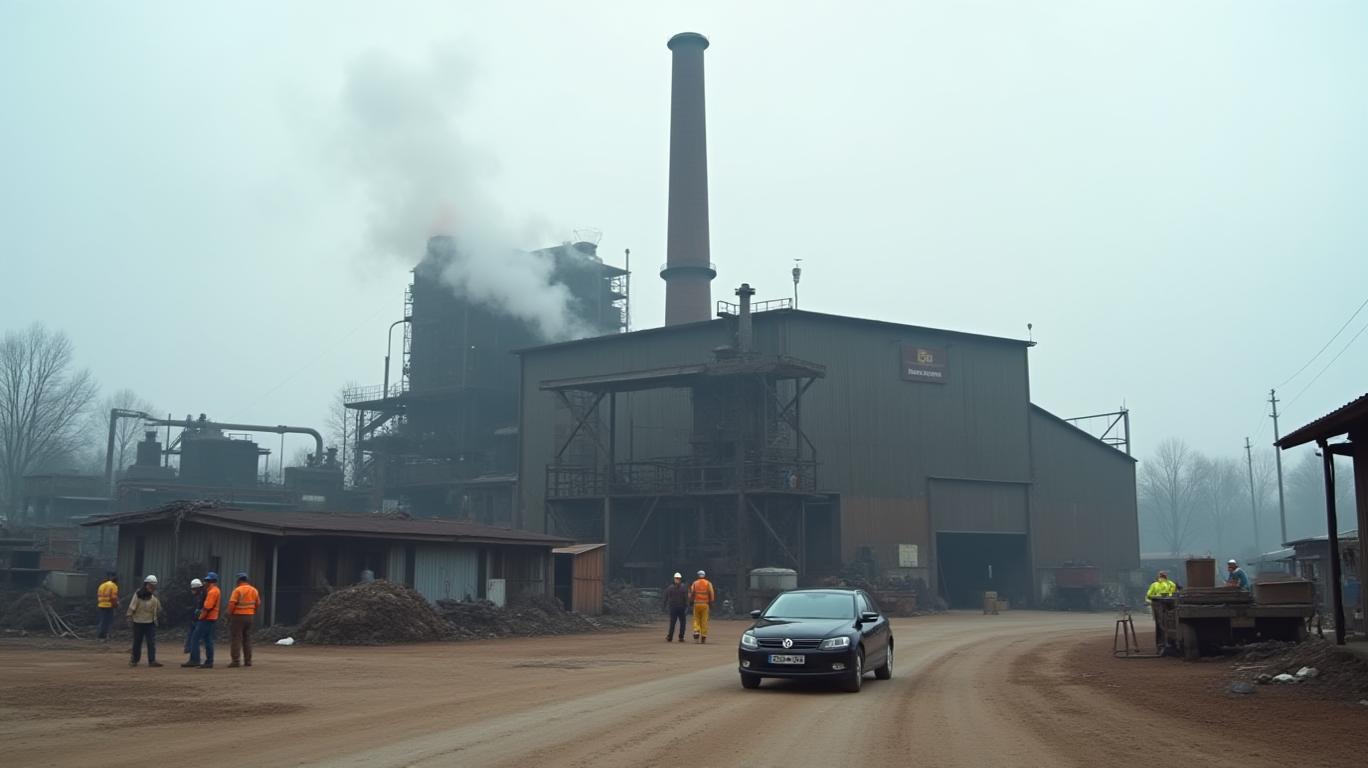
The blocked acquisition raises several questions about U.S. Steel's future and the potential impact on the steel industry, national security, and employment prospects. As the company explores alternative strategies for growth and stability, investors and stakeholders must consider the following:
1. How will U.S. Steel's financial performance be affected by the blocked acquisition, and what alternative strategies can the company pursue for growth and stability?
2. What are the potential job security and employment prospects for U.S. Steel employees in the wake of the blocked acquisition, and how might the company address these concerns?
3. How will the blocked acquisition impact U.S. Steel's ability to invest in and upgrade its facilities, and what alternative sources of funding might the company explore to maintain its competitiveness?
As U.S. Steel navigates the challenges posed by the blocked acquisition, investors and stakeholders should closely monitor the company's progress and consider the potential implications for the steel industry and national security. The future of U.S. Steel and its employees hangs in the balance, as the company seeks alternative strategies for growth and stability in the face of Biden's national security concerns.
JOE--
As President Joe Biden announced his decision to block the $14.1 billion acquisition of U.S. Steel by Japan's Nippon Steel, the steel industry and investors are left grappling with the implications of this move. The White House cited national security concerns as the primary reason for the rejection, with both companies signaling their intent to pursue legal action if Biden formally blocked the deal.
The acquisition, which was backed by U.S. Steel shareholders, would have seen the iconic American company remain headquartered in Pittsburgh, with Nippon Steel becoming its majority owner. However, Biden's rejection of the deal has cast a pall over U.S. Steel's future, as it had previously rejected a takeover offer by Cleveland-Cliffs (CLF).
The Japanese firm had pledged to invest more than $2.7 billion in U.S. Steel facilities, including its blast furnaces, and promised not to import steel slabs that would compete with the blast furnaces. Additionally, Nippon Steel offered a $5,000 closing bonus to U.S. Steel employees, totaling nearly $100 million in expenses. However, these promises were not enough to sway Biden, who has long opposed the deal.
The blocked acquisition raises several questions about U.S. Steel's future and the potential impact on the steel industry, national security, and employment prospects. As the company explores alternative strategies for growth and stability, investors and stakeholders must consider the following:
1. How will U.S. Steel's financial performance be affected by the blocked acquisition, and what alternative strategies can the company pursue for growth and stability?
2. What are the potential job security and employment prospects for U.S. Steel employees in the wake of the blocked acquisition, and how might the company address these concerns?
3. How will the blocked acquisition impact U.S. Steel's ability to invest in and upgrade its facilities, and what alternative sources of funding might the company explore to maintain its competitiveness?
As U.S. Steel navigates the challenges posed by the blocked acquisition, investors and stakeholders should closely monitor the company's progress and consider the potential implications for the steel industry and national security. The future of U.S. Steel and its employees hangs in the balance, as the company seeks alternative strategies for growth and stability in the face of Biden's national security concerns.

Divulgación editorial y transparencia de la IA: Ainvest News utiliza tecnología avanzada de Modelos de Lenguaje Largo (LLM) para sintetizar y analizar datos de mercado en tiempo real. Para garantizar los más altos estándares de integridad, cada artículo se somete a un riguroso proceso de verificación con participación humana.
Mientras la IA asiste en el procesamiento de datos y la redacción inicial, un miembro editorial profesional de Ainvest revisa, verifica y aprueba de forma independiente todo el contenido para garantizar su precisión y cumplimiento con los estándares editoriales de Ainvest Fintech Inc. Esta supervisión humana está diseñada para mitigar las alucinaciones de la IA y garantizar el contexto financiero.
Advertencia sobre inversiones: Este contenido se proporciona únicamente con fines informativos y no constituye asesoramiento profesional de inversión, legal o financiero. Los mercados conllevan riesgos inherentes. Se recomienda a los usuarios que realicen una investigación independiente o consulten a un asesor financiero certificado antes de tomar cualquier decisión. Ainvest Fintech Inc. se exime de toda responsabilidad por las acciones tomadas con base en esta información. ¿Encontró un error? Reportar un problema


SOBRE NOSOTROS
Nuestra historiaAutores de noticiasBase de conocimientosPolítica de privacidadTérmino de usoDescargo de responsabilidad de corretaje de tercerosTérminos de uso de AIMEDivulgaciones de riesgos de AInvest AICarrerasCONTÁCTENOS
Email: support@ainvest.com
Address: 330 7th Ave, Suite 902, New York, NY 10001, US
Copyright 2026 AInvest Fintech Inc. All rights reserved.


Comentarios
Aún no hay comentarios