
Beware the Perfect Storm: How Philip Morris and Dollar General Could Shield Portfolios in 2025’s Economic Crossroads
The world’s most astute investors are bracing for a storm unlike any seen since the Great Depression. Ray Dalio, the legendary founder of BridgewaterBWB-- Associates, has issued a dire warning: the confluence of unsustainable U.S. debt, trade wars, and geopolitical fragmentation could create a crisis far worse than a typical recession. As markets reel from rising inflation, currency volatility, and a CBOE Volatility Index (VIX) nearing 30-year highs, investors must seek shelter in companies that thrive amid chaos. Two names rise to the top: Philip Morris International (PM) and Dollar General (DG).
Why Ray Dalio’s “All-Weather” Play Matters Now
Dalio’s framework hinges on three pillars: diversification, defensive sectors, and resilience to macro shocks. His warning isn’t hyperbole. The U.S. federal deficit now exceeds 140% of GDP, far beyond the 3% threshold he deems sustainable. Add to this the destabilizing effects of Trump-era tariffs, which have disrupted global supply chains, and it’s clear why Dalio compares today’s conditions to the 1930s.
Philip Morris International: The Global Recession Hedge
Philip Morris isn’t just a tobacco giant—it’s a masterclass in reinvention. With 40% of revenue now from smoke-free products like Zyn and IQOS, the company has decoupled its fate from declining combustible cigarette sales. Its 17% organic sales growth in 2024 and 5.9% rise in traditional tobacco volumes reflect a dual strategy that’s paying off.
Why it thrives in crises:
- Geopolitical insulation: 95% of its operations are outside the U.S., shielding it from tariff volatility.
- Dividend strength: A 50-year history of dividend hikes (currently yielding 5.8%) offers ballast in turbulent markets.
- Earnings stability: Even as global GDP contracts, consumers in emerging markets like Indonesia and the Philippines continue buying essential goods.
Analysts estimate PM’s earnings could grow 6-8% annually through 2027, even under a recession scenario. Its valuation—trading at just 15x forward earnings—suggests it’s undervalued relative to its defensive profile and growth trajectory.
Dollar General: The Ultimate “Recession Trade”
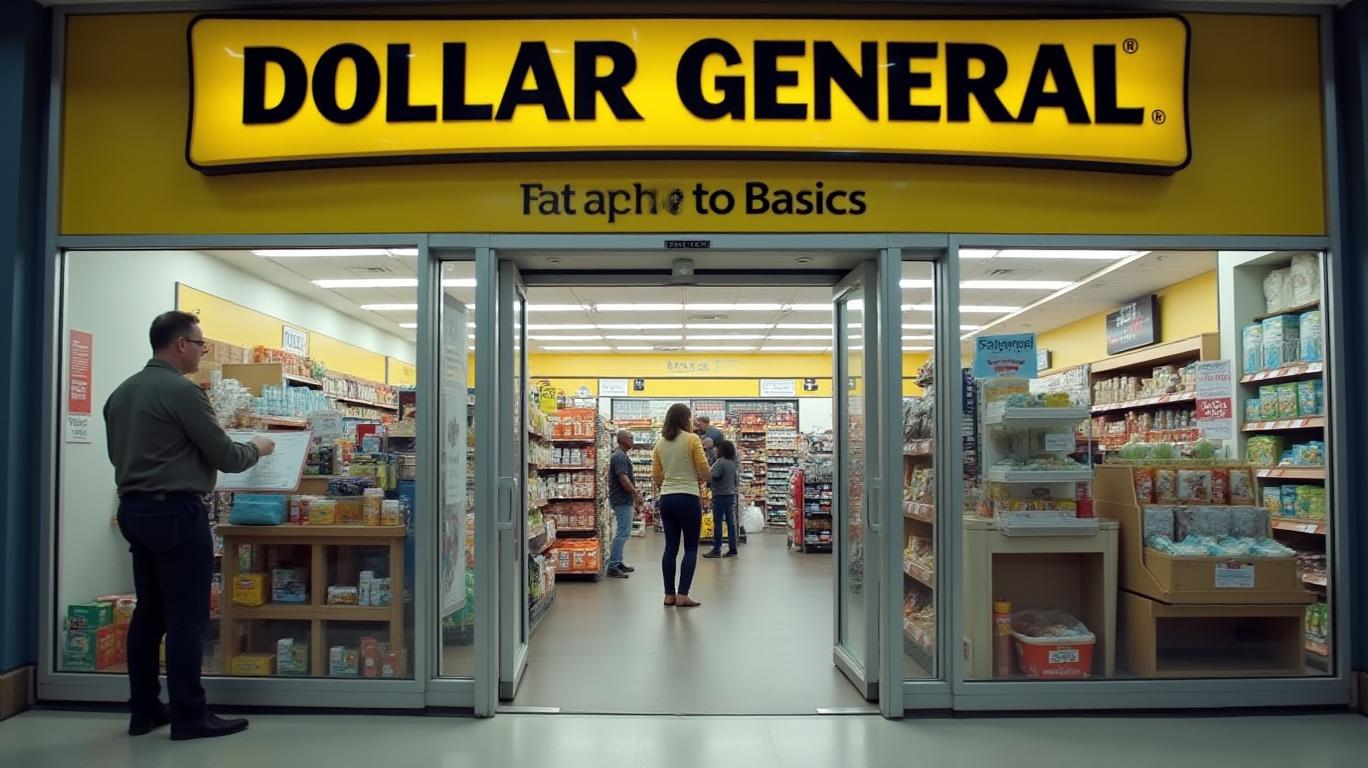
While PM bets on global diversification, Dollar General excels in the U.S. underbelly. Its 18,000+ stores cater to price-sensitive consumers, a demographic that swells during downturns. During the 2008 crisis, DG’s comparable sales rose 9–10%, and its 23% outperformance of the S&P 500 (YTD 2025) hints at a repeat.
Key defensive traits:
- Tariff-proof supply chain: 80% of goods are U.S.-made, avoiding trade war disruptions.
- Countercyclical sales: Its “essential goods” focus (food, basics, healthcare) ensures demand even as discretionary spending craters.
- Operational turnaround: The “Back to Basics” plan aims to reduce out-of-stocks by 20% and streamline logistics, targeting a 50-basis-point margin expansion by 2026.
DG’s P/E of 18 is a steal given its recession-proof model. With $2.5 billion in cash and no debt maturities until 2028, it’s positioned to capitalize on distressed competitors.
The Bottom Line: Prepare for the Unthinkable
Dalio’s warning isn’t just about avoiding losses—it’s about capitalizing on structural shifts. PM and DG exemplify two critical traits for 2025: global diversification and countercyclical resilience.
Consider these data points:
- PM’s dividend yield (5.8%) outpaces the S&P 500’s average by 300%.
- Dollar General’s same-store sales have risen in 109 of the past 110 quarters, excluding pandemic volatility.
- The VIX’s current 24.5—up 40% from 2024 lows—signals investor anxiety that’s yet to fully price in recession risks.
In an era of collapsing debt markets and geopolitical fragmentation, these stocks aren’t just safe havens—they’re growth engines. As Dalio himself might say: “The economy is a machine, and right now, it’s sputtering. But the right investments can still turn the key.”
Investors who ignore the coming storm do so at their peril. Those who act now—by weighting their portfolios with PM and DG—may find themselves not just surviving, but thriving, in 2025’s economic crossroads.







Comentarios
Aún no hay comentarios