
Betting Against the Storm: Contrarian Opportunities in Energy Equities Amid Global Oil Volatility
The oil market is a tempest of conflicting forces: U.S. trade policy uncertainty, OPEC+'s aggressive supply shifts, and Middle East geopolitical risks. While these factors have fueled volatility, they also carve out contrarian investing opportunities for those willing to navigate the turbulence.
Trade Policy: A Double-Edged Sword for Oil Demand
U.S. tariffs on energy imports and manufacturing goods have reshaped global demand dynamics. The recent 50% tariff on copper, which spiked prices by 17%, serves as a stark reminder of how protectionist policies can ripple across commodity markets. For oil, the risk of a “demand ceiling” looms as tariffs dampen economic activity. However, this presents a contrarian angle: buying dips in energy equities when fear of trade wars pushes prices lower than fundamentals justify.

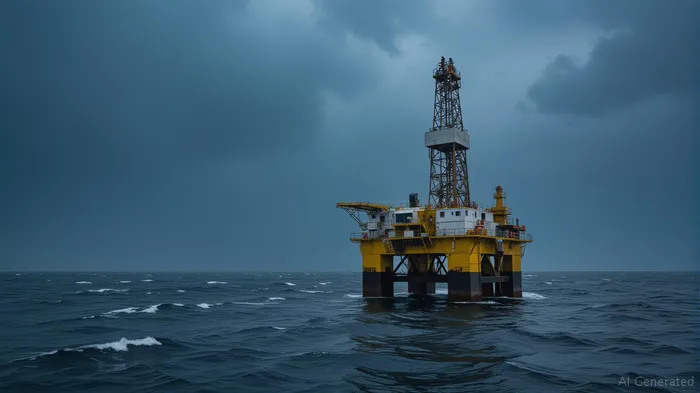
OPEC+'s Strategic Gamble: A Catalyst for Contrarian Bets
OPEC+'s relentless production increases—over 1 million bpd by July 2025—aim to undercut U.S. shale producers, which need prices above $65–$70/bbl to break even. With active shale rig counts falling for 10 consecutive weeks, the cartel is succeeding in squeezing competitors. Yet this strategy carries risks: compliance issues in Kazakhstan and Russia's export constraints could fracture cohesion.
The August 3 OPEC+ meeting will be pivotal. If the group pauses or reverses hikes, prices could rebound sharply. Contrarians might position for this outcome by buying undervalued OPEC-aligned majors ahead of the meeting. Names like Saudi Aramco (indirect exposure via Aramco's NYSE-traded shares) or TotalEnergies (which benefits from Middle Eastern partnerships) could outperform if the cartel retreats.
Geopolitical Risks: Pricing in the Unthinkable
Middle East tensions—Houthi attacks in the Red Sea, Iran-Israel brinkmanship—have repeatedly spiked prices above $80/bbl. Yet these risks are now partially priced into markets. Contrarians can exploit this by locking in positions in firms insulated from direct conflict, such as:
- ExxonMobil: Its global portfolio, including stable Gulf of Mexico projects, buffers against regional disruptions.
- Schlumberger: A service provider with diversified operations, benefiting from OPEC+'s production ambitions.
The EIA's recent inventory build—a sign of oversupply—adds to the volatility. However, persistent geopolitical premiums mean prices may remain elevated even if fundamentals weaken.
Tactical Entry Points: The Contrarian's Checklist
- Oil Majors with Strong Balance Sheets:
- EOG Resources (APA) and Apache Corporation (APA) have low debt and exposure to U.S. shale's long-term potential.
Chevron (CVX): Benefits from its refining margins and Gulf Coast infrastructure.
Hedging Against Volatility:
Use options to protect against downside risks tied to OPEC+ decisions or tariff escalations.
Avoid Trade-Sensitive Sectors:
- Refiners (e.g., Valero) face headwinds if tariffs disrupt crude flows and narrow refining margins.
Risks to the Contrarian Play
- OPEC+ Overproduction: If the cartel continues its “superhikes,” prices could slump below $70/bbl, hurting equities.
- Geopolitical Escalation: A Hormuz supply cutoff would spike prices but could also trigger a broader market sell-off.
Conclusion
The oil market's current chaos offers a rare opportunity to buy quality at a discount. Contrarians should focus on OPEC-aligned majors, resilient U.S. shale players, and diversified service providers while hedging against near-term volatility. The August OPEC+ meeting and Middle East developments will determine whether this is a buying moment or a trap—positioning now could yield outsized rewards if the storm clears.
Invest wisely—beware the waves, but ride the tide.





Comentarios
Aún no hay comentarios