
Best Buy CEO: Tariffs Could Hike Prices, Hurt Consumers
Generado por agente de IAWesley Park
martes, 26 de noviembre de 2024, 3:52 pm ET1 min de lectura
BBY--
WAT--
As the specter of Trump-era tariffs looms, Best Buy CEO Corie Barry has warned that consumers could bear the brunt of price increases if the US imposes 25% tariffs on goods from Mexico and Canada. With over 90% of its products sourced from abroad, the electronics retailer finds itself squarely in the crosshairs of potential trade disruptions. Wedbush analyst Seth Basham echoed Barry's concerns, noting that over 60% of Best Buy's imports come from China, and an additional 20-30% from Mexico, particularly in televisions.
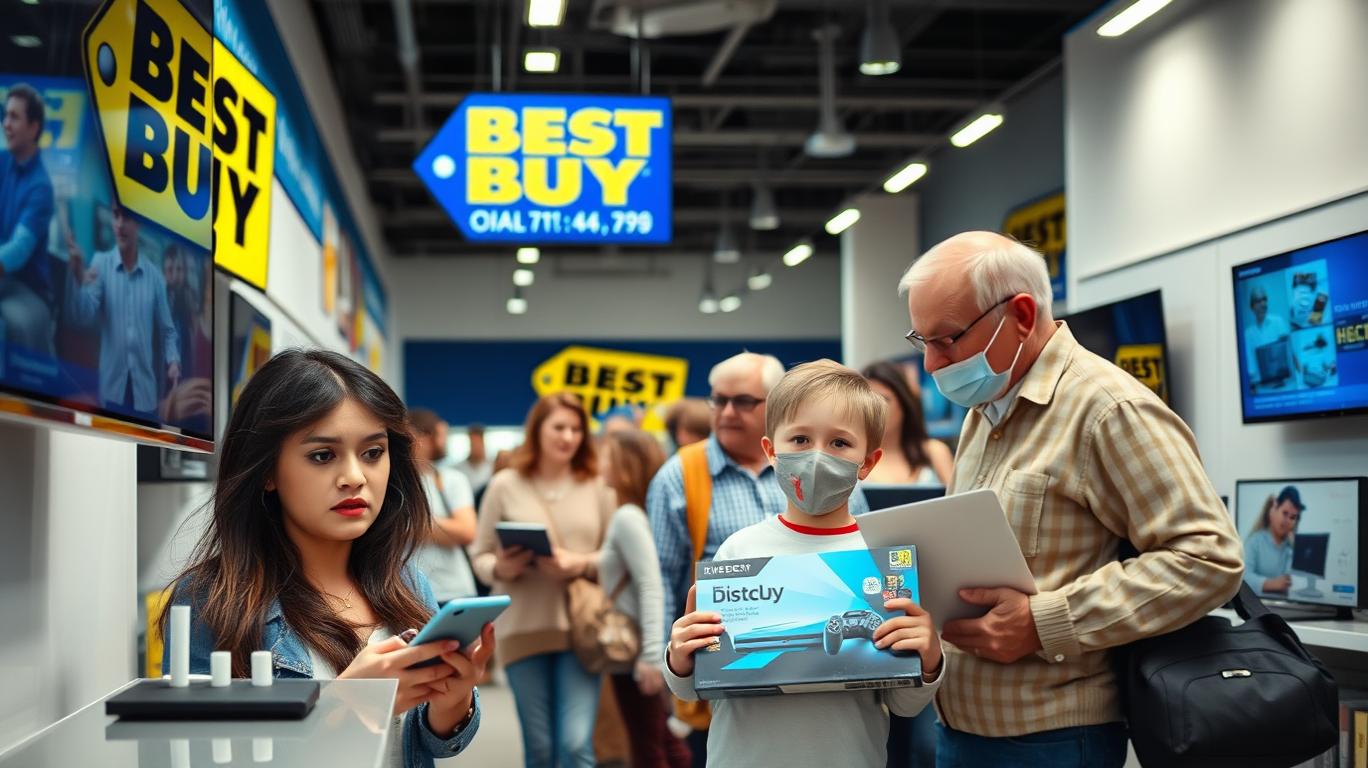
The proposed tariffs, intended to pressure Mexico and Canada to halt illegal immigration and drug trafficking, could have far-reaching consequences for the US electronics market. Best Buy, like many retailers, imports a significant portion of its products from these countries. A 25% tariff on these imports would likely increase costs, which could be passed on to consumers through higher prices.
Best Buy's exposure to Chinese and Mexican imports makes it particularly vulnerable to Trump's tariff threats. Wedbush's Basham estimates that over 90% of Best Buy's products are imported, with a substantial portion from China and Mexico. These tariffs would increase the cost of these items, likely leading to price increases for consumers.
With Best Buy's profit margins already under pressure, the additional costs from tariffs could further squeeze profitability. The company may need to raise prices to maintain margins, but higher prices could lead to reduced demand. It's a delicate balance for Best Buy and other retailers, who must navigate the tricky waters of trade policy and consumer demand.
Best Buy's CEO, Corie Barry, acknowledged the potential impact of Trump's proposed tariffs on the company, noting that over 90% of its products are imported, with 60% from China and 20-30% from Mexico. Wedbush analyst Seth Basham highlighted the company's exposure to these tariffs, which could negatively affect its profit and loss statement. To mitigate this, Best Buy should explore diversifying its supply chain, increasing sourcing from other countries, and investing in domestic manufacturing or partnering with suppliers in other low-cost countries to reduce its reliance on Mexico and China.
In conclusion, Trump's proposed tariffs on Mexican and Canadian goods could have significant implications for US electronics retailers like Best Buy. With a substantial portion of its products sourced from these countries, Best Buy faces potential price increases and reduced profitability. Consumers, already grappling with a volatile demand environment and soft demand overall, may bear the brunt of these tariffs through higher prices. Best Buy must navigate these challenges and strategically renegotiate contracts with suppliers, optimize its supply chain, and potentially invest in private label products to maintain profitability and competitiveness.
The proposed tariffs, intended to pressure Mexico and Canada to halt illegal immigration and drug trafficking, could have far-reaching consequences for the US electronics market. Best Buy, like many retailers, imports a significant portion of its products from these countries. A 25% tariff on these imports would likely increase costs, which could be passed on to consumers through higher prices.
Best Buy's exposure to Chinese and Mexican imports makes it particularly vulnerable to Trump's tariff threats. Wedbush's Basham estimates that over 90% of Best Buy's products are imported, with a substantial portion from China and Mexico. These tariffs would increase the cost of these items, likely leading to price increases for consumers.
With Best Buy's profit margins already under pressure, the additional costs from tariffs could further squeeze profitability. The company may need to raise prices to maintain margins, but higher prices could lead to reduced demand. It's a delicate balance for Best Buy and other retailers, who must navigate the tricky waters of trade policy and consumer demand.
Best Buy's CEO, Corie Barry, acknowledged the potential impact of Trump's proposed tariffs on the company, noting that over 90% of its products are imported, with 60% from China and 20-30% from Mexico. Wedbush analyst Seth Basham highlighted the company's exposure to these tariffs, which could negatively affect its profit and loss statement. To mitigate this, Best Buy should explore diversifying its supply chain, increasing sourcing from other countries, and investing in domestic manufacturing or partnering with suppliers in other low-cost countries to reduce its reliance on Mexico and China.
In conclusion, Trump's proposed tariffs on Mexican and Canadian goods could have significant implications for US electronics retailers like Best Buy. With a substantial portion of its products sourced from these countries, Best Buy faces potential price increases and reduced profitability. Consumers, already grappling with a volatile demand environment and soft demand overall, may bear the brunt of these tariffs through higher prices. Best Buy must navigate these challenges and strategically renegotiate contracts with suppliers, optimize its supply chain, and potentially invest in private label products to maintain profitability and competitiveness.

Divulgación editorial y transparencia de la IA: Ainvest News utiliza tecnología avanzada de Modelos de Lenguaje Largo (LLM) para sintetizar y analizar datos de mercado en tiempo real. Para garantizar los más altos estándares de integridad, cada artículo se somete a un riguroso proceso de verificación con participación humana.
Mientras la IA asiste en el procesamiento de datos y la redacción inicial, un miembro editorial profesional de Ainvest revisa, verifica y aprueba de forma independiente todo el contenido para garantizar su precisión y cumplimiento con los estándares editoriales de Ainvest Fintech Inc. Esta supervisión humana está diseñada para mitigar las alucinaciones de la IA y garantizar el contexto financiero.
Advertencia sobre inversiones: Este contenido se proporciona únicamente con fines informativos y no constituye asesoramiento profesional de inversión, legal o financiero. Los mercados conllevan riesgos inherentes. Se recomienda a los usuarios que realicen una investigación independiente o consulten a un asesor financiero certificado antes de tomar cualquier decisión. Ainvest Fintech Inc. se exime de toda responsabilidad por las acciones tomadas con base en esta información. ¿Encontró un error? Reportar un problema


SOBRE NOSOTROS
Nuestra historiaAutores de noticiasBase de conocimientosPolítica de privacidadTérmino de usoDescargo de responsabilidad de corretaje de tercerosTérminos de uso de AIMEDivulgaciones de riesgos de AInvest AICarrerasCONTÁCTENOS
Email: support@ainvest.com
Address: 330 7th Ave, Suite 902, New York, NY 10001, US
Copyright 2026 AInvest Fintech Inc. All rights reserved.


Comentarios
Aún no hay comentarios