
Bessent's Treasury Pick, Tariffs, and Black Friday: A New Economic Dawn?
Generado por agente de IAWesley Park
viernes, 29 de noviembre de 2024, 1:20 pm ET2 min de lectura
DAWN--
President-elect Donald Trump's decision to appoint Scott Bessent as his next Treasury Secretary has sparked significant conversation in the financial world. Bessent, a hedge fund manager and former advisor to George Soros, brings a unique perspective to the role, with a focus on deficit reduction, deregulation, and strategic tariffs. As the retail sector braces for Black Friday, the potential impact of Trump's proposed tariffs on Mexico, Canada, and China cannot be ignored.
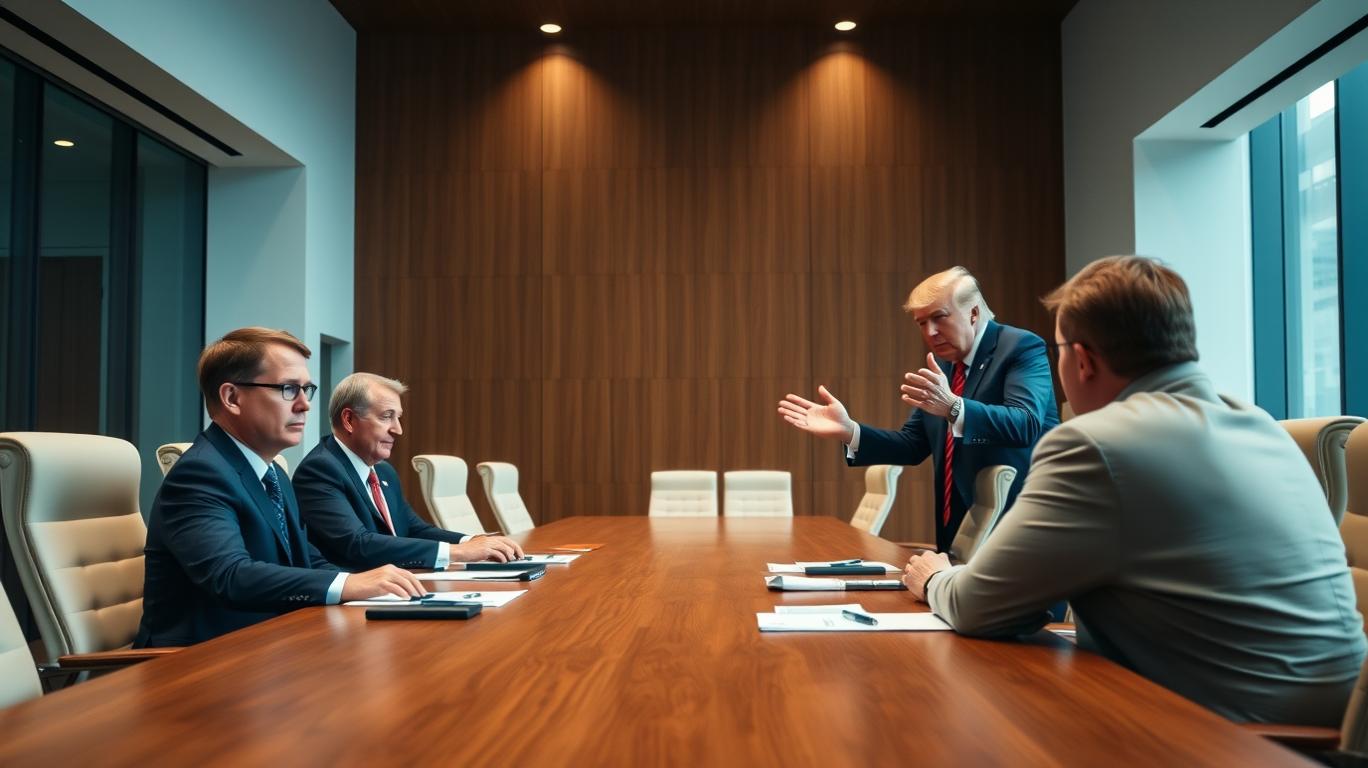
Bessent's advocacy for deficit reduction and deregulation could have significant implications for the U.S. economy. His views on tariffs as a useful tool for achieving foreign policy objectives could influence Trump's trade strategies, potentially impacting consumer prices and retail spending during key shopping events like Black Friday.
According to the IMF, escalating tariffs would be "costly for everybody," with potential pressure on inflation and lower output. Retailers, aware of the rise of deal-hunting consumers, want to capture as many of them as possible, so they might offer higher discounts to offset increased prices.
Trump's proposed tariffs on Mexico, Canada, and China could significantly impact consumer prices and retail spending. Imposing a 25% tariff on Mexican and Canadian goods, along with a 10% tariff on Chinese imports, would likely increase prices on various consumer goods, including electronics, automobiles, and food products. This could dampen consumer confidence and spending, as seen during Black Friday sales.
The agricultural sector, particularly U.S. farmers exporting soybeans, corn, and nuts to these trading partners, is vulnerable to retaliatory tariffs. Retaliatory tariffs and disruptions in global supply chains pose significant risks to the U.S. economy and businesses, particularly retail giants like Walmart and Target.
Bessent's appointment signals a focus on deficit reduction and deregulation, which could shape Trump's economic policies. His support for extending Trump's tax cuts and a deficit reduction program could influence budget negotiations with Congress. As Treasury Secretary, Bessent will advise Trump on spending, tax, and trade matters, which could include tariffs.
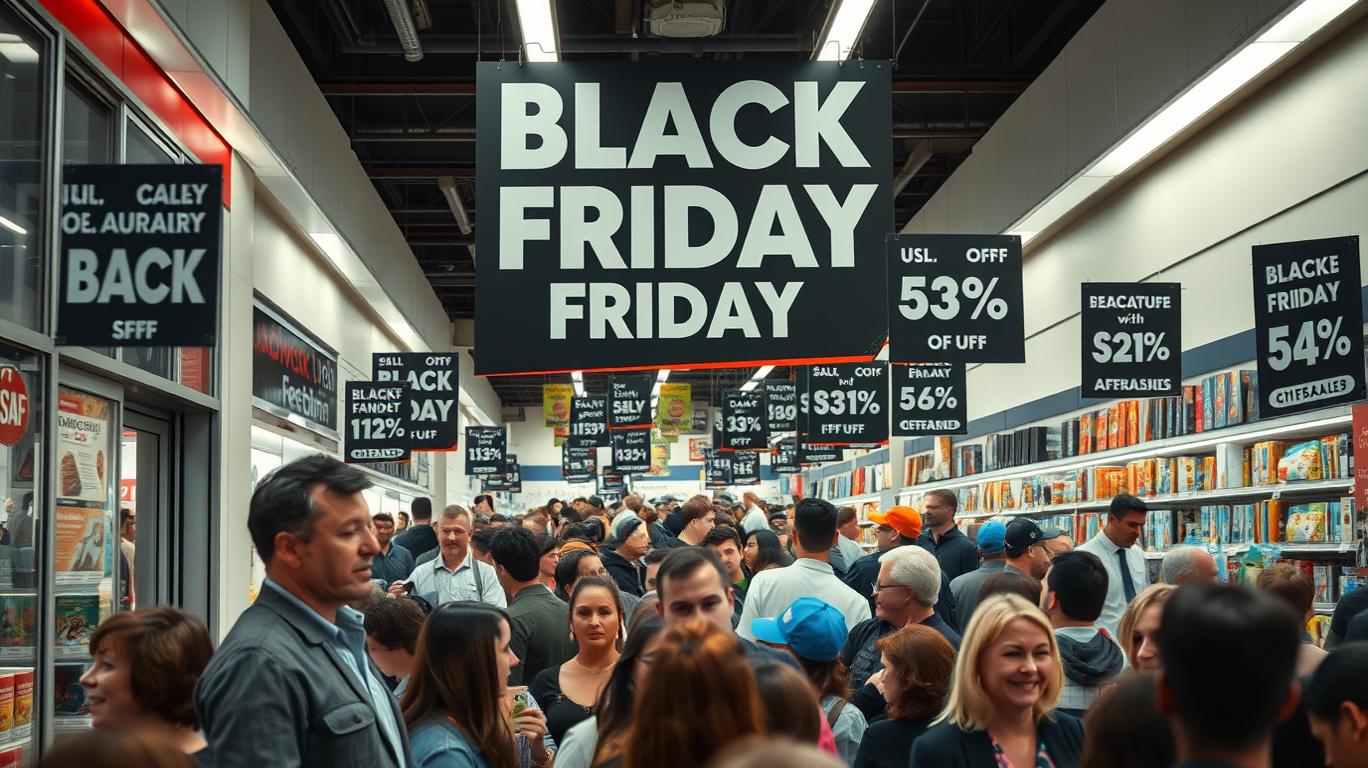
The future of the U.S. economy under the Trump administration will be closely watched, with investors and consumers alike monitoring the potential impact of tariffs and economic policies. As the retail sector braces for Black Friday, the potential impact of Trump's proposed tariffs on Mexico, Canada, and China cannot be ignored. With Bessent's appointment as Treasury Secretary, the stage is set for a new economic dawn, but with potential challenges and opportunities on the horizon.
In conclusion, the appointment of Scott Bessent as Treasury Secretary, coupled with Trump's proposed tariffs on major trading partners, could have significant implications for the U.S. economy and retail spending during key shopping events like Black Friday. As investors and consumers alike monitor the potential impact of these developments, the future of the U.S. economy under the Trump administration will be closely watched.
WMT--
President-elect Donald Trump's decision to appoint Scott Bessent as his next Treasury Secretary has sparked significant conversation in the financial world. Bessent, a hedge fund manager and former advisor to George Soros, brings a unique perspective to the role, with a focus on deficit reduction, deregulation, and strategic tariffs. As the retail sector braces for Black Friday, the potential impact of Trump's proposed tariffs on Mexico, Canada, and China cannot be ignored.
Bessent's advocacy for deficit reduction and deregulation could have significant implications for the U.S. economy. His views on tariffs as a useful tool for achieving foreign policy objectives could influence Trump's trade strategies, potentially impacting consumer prices and retail spending during key shopping events like Black Friday.
According to the IMF, escalating tariffs would be "costly for everybody," with potential pressure on inflation and lower output. Retailers, aware of the rise of deal-hunting consumers, want to capture as many of them as possible, so they might offer higher discounts to offset increased prices.
Trump's proposed tariffs on Mexico, Canada, and China could significantly impact consumer prices and retail spending. Imposing a 25% tariff on Mexican and Canadian goods, along with a 10% tariff on Chinese imports, would likely increase prices on various consumer goods, including electronics, automobiles, and food products. This could dampen consumer confidence and spending, as seen during Black Friday sales.
The agricultural sector, particularly U.S. farmers exporting soybeans, corn, and nuts to these trading partners, is vulnerable to retaliatory tariffs. Retaliatory tariffs and disruptions in global supply chains pose significant risks to the U.S. economy and businesses, particularly retail giants like Walmart and Target.
Bessent's appointment signals a focus on deficit reduction and deregulation, which could shape Trump's economic policies. His support for extending Trump's tax cuts and a deficit reduction program could influence budget negotiations with Congress. As Treasury Secretary, Bessent will advise Trump on spending, tax, and trade matters, which could include tariffs.
The future of the U.S. economy under the Trump administration will be closely watched, with investors and consumers alike monitoring the potential impact of tariffs and economic policies. As the retail sector braces for Black Friday, the potential impact of Trump's proposed tariffs on Mexico, Canada, and China cannot be ignored. With Bessent's appointment as Treasury Secretary, the stage is set for a new economic dawn, but with potential challenges and opportunities on the horizon.
In conclusion, the appointment of Scott Bessent as Treasury Secretary, coupled with Trump's proposed tariffs on major trading partners, could have significant implications for the U.S. economy and retail spending during key shopping events like Black Friday. As investors and consumers alike monitor the potential impact of these developments, the future of the U.S. economy under the Trump administration will be closely watched.

Divulgación editorial y transparencia de la IA: Ainvest News utiliza tecnología avanzada de Modelos de Lenguaje Largo (LLM) para sintetizar y analizar datos de mercado en tiempo real. Para garantizar los más altos estándares de integridad, cada artículo se somete a un riguroso proceso de verificación con participación humana.
Mientras la IA asiste en el procesamiento de datos y la redacción inicial, un miembro editorial profesional de Ainvest revisa, verifica y aprueba de forma independiente todo el contenido para garantizar su precisión y cumplimiento con los estándares editoriales de Ainvest Fintech Inc. Esta supervisión humana está diseñada para mitigar las alucinaciones de la IA y garantizar el contexto financiero.
Advertencia sobre inversiones: Este contenido se proporciona únicamente con fines informativos y no constituye asesoramiento profesional de inversión, legal o financiero. Los mercados conllevan riesgos inherentes. Se recomienda a los usuarios que realicen una investigación independiente o consulten a un asesor financiero certificado antes de tomar cualquier decisión. Ainvest Fintech Inc. se exime de toda responsabilidad por las acciones tomadas con base en esta información. ¿Encontró un error? Reportar un problema


SOBRE NOSOTROS
Nuestra historiaAutores de noticiasBase de conocimientosPolítica de privacidadTérmino de usoDescargo de responsabilidad de corretaje de tercerosTérminos de uso de AIMEDivulgaciones de riesgos de AInvest AICarrerasCONTÁCTENOS
Email: support@ainvest.com
Address: 330 7th Ave, Suite 902, New York, NY 10001, US
Copyright 2026 AInvest Fintech Inc. All rights reserved.


Comentarios
Aún no hay comentarios