
Bessent's Call: Canada, Mexico Match US Tariffs on China
Generado por agente de IAWesley Park
domingo, 2 de marzo de 2025, 9:49 am ET2 min de lectura
EYE--
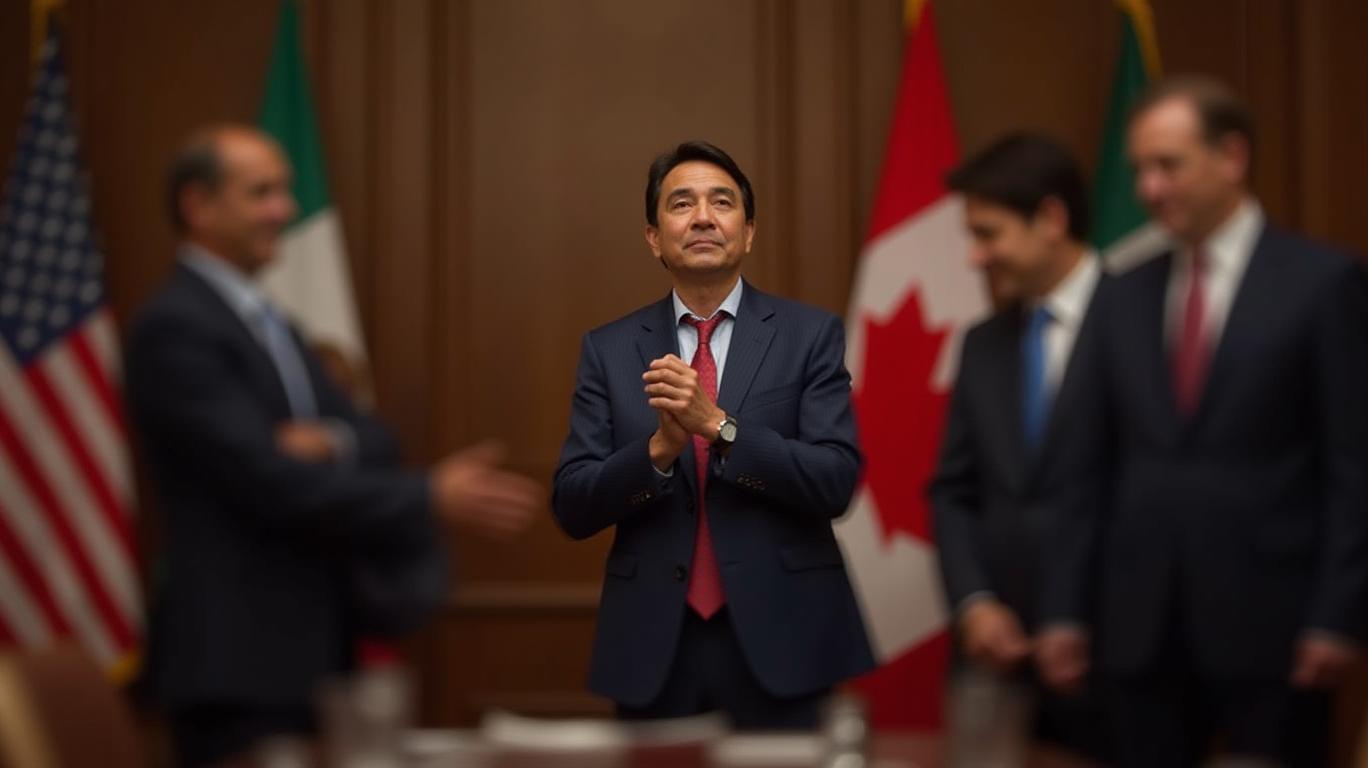
US Treasury Secretary Scott Bessent has proposed an intriguing solution to the ongoing trade tensions between the US and its North American neighbors: Canada and Mexico should match Washington's tariffs on China. This move, Bessent believes, could create a "Fortress North America" that would help protect the region from a flood of Chinese imports. But what are the potential implications of this proposal, and how could it influence the dynamics of the North American Free Trade Agreement (NAFTA) or the United States-Mexico-Canada Agreement (USMCA)?
First, let's consider the potential impact on trade balances. If Canada and Mexico align their tariff policies with the US on China, they could potentially reduce their trade deficits with China. For instance, in 2021, Mexico imported $14.5 billion worth of vehicles and auto parts from China, and Canada imported $23.6 billion worth of goods from China. A 10% tariff on these goods, matching the US rate, could reduce these figures by $1.45 billion and $2.36 billion, respectively. Additionally, this move could increase exports to the US, as US companies might look to source goods from Canada and Mexico instead of China, potentially increasing their trade surpluses with the US.
However, aligning tariff policies with the US on China could also present strategic disadvantages. For example, Mexico and Canada might face potential retaliation from China, which could hurt their trade relations with China and potentially lead to economic losses. Additionally, they could lose market share in China, as Chinese companies could shift their exports to other countries that do not impose tariffs.
Moreover, aligning tariff policies with the US on China could have significant implications for the dynamics of the North American Free Trade Agreement (NAFTA) or the United States-Mexico-Canada Agreement (USMCA). By fostering a more integrated and cooperative North American market, the alignment of tariffs could lead to increased investment, job creation, and economic growth in all three countries. However, it could also present challenges, such as increased prices for consumers in North America, as the cost of Chinese goods would likely increase.
In conclusion, aligning tariff policies with the US on China could have both strategic advantages and disadvantages for Canada and Mexico. While it could help protect their economies from significant financial losses and foster a more integrated North American market, it could also lead to potential retaliation from China and increased prices for consumers. It is essential for Canada and Mexico to carefully consider these factors and weigh the potential benefits and drawbacks before making a decision.
As the situation unfolds, investors should keep a close eyeEYE-- on the developments in North American trade relations and the potential impact on the economies of Canada, Mexico, and the US. By staying informed and understanding the dynamics at play, investors can make more informed decisions about their portfolios and capitalize on the opportunities that arise from these shifting trade landscapes.
US Treasury Secretary Scott Bessent has proposed an intriguing solution to the ongoing trade tensions between the US and its North American neighbors: Canada and Mexico should match Washington's tariffs on China. This move, Bessent believes, could create a "Fortress North America" that would help protect the region from a flood of Chinese imports. But what are the potential implications of this proposal, and how could it influence the dynamics of the North American Free Trade Agreement (NAFTA) or the United States-Mexico-Canada Agreement (USMCA)?
First, let's consider the potential impact on trade balances. If Canada and Mexico align their tariff policies with the US on China, they could potentially reduce their trade deficits with China. For instance, in 2021, Mexico imported $14.5 billion worth of vehicles and auto parts from China, and Canada imported $23.6 billion worth of goods from China. A 10% tariff on these goods, matching the US rate, could reduce these figures by $1.45 billion and $2.36 billion, respectively. Additionally, this move could increase exports to the US, as US companies might look to source goods from Canada and Mexico instead of China, potentially increasing their trade surpluses with the US.
However, aligning tariff policies with the US on China could also present strategic disadvantages. For example, Mexico and Canada might face potential retaliation from China, which could hurt their trade relations with China and potentially lead to economic losses. Additionally, they could lose market share in China, as Chinese companies could shift their exports to other countries that do not impose tariffs.
Moreover, aligning tariff policies with the US on China could have significant implications for the dynamics of the North American Free Trade Agreement (NAFTA) or the United States-Mexico-Canada Agreement (USMCA). By fostering a more integrated and cooperative North American market, the alignment of tariffs could lead to increased investment, job creation, and economic growth in all three countries. However, it could also present challenges, such as increased prices for consumers in North America, as the cost of Chinese goods would likely increase.
In conclusion, aligning tariff policies with the US on China could have both strategic advantages and disadvantages for Canada and Mexico. While it could help protect their economies from significant financial losses and foster a more integrated North American market, it could also lead to potential retaliation from China and increased prices for consumers. It is essential for Canada and Mexico to carefully consider these factors and weigh the potential benefits and drawbacks before making a decision.
As the situation unfolds, investors should keep a close eyeEYE-- on the developments in North American trade relations and the potential impact on the economies of Canada, Mexico, and the US. By staying informed and understanding the dynamics at play, investors can make more informed decisions about their portfolios and capitalize on the opportunities that arise from these shifting trade landscapes.

Divulgación editorial y transparencia de la IA: Ainvest News utiliza tecnología avanzada de Modelos de Lenguaje Largo (LLM) para sintetizar y analizar datos de mercado en tiempo real. Para garantizar los más altos estándares de integridad, cada artículo se somete a un riguroso proceso de verificación con participación humana.
Mientras la IA asiste en el procesamiento de datos y la redacción inicial, un miembro editorial profesional de Ainvest revisa, verifica y aprueba de forma independiente todo el contenido para garantizar su precisión y cumplimiento con los estándares editoriales de Ainvest Fintech Inc. Esta supervisión humana está diseñada para mitigar las alucinaciones de la IA y garantizar el contexto financiero.
Advertencia sobre inversiones: Este contenido se proporciona únicamente con fines informativos y no constituye asesoramiento profesional de inversión, legal o financiero. Los mercados conllevan riesgos inherentes. Se recomienda a los usuarios que realicen una investigación independiente o consulten a un asesor financiero certificado antes de tomar cualquier decisión. Ainvest Fintech Inc. se exime de toda responsabilidad por las acciones tomadas con base en esta información. ¿Encontró un error? Reportar un problema




Comentarios
Aún no hay comentarios