
Berkshire Hathaway Ranks 31st in Trading Volume Amid Buffett’s Buyback Pause and $344B Cash Hoard
On August 6, 2025, Berkshire Hathaway (BRK.B) rose 1.02% with a trading volume of $2.13 billion, a 32.34% decline from the prior day’s volume. The stock ranked 31st in market activity. Warren Buffett’s strategic repurchase of Berkshire shares over six years totaled nearly $78 billion, driven by a 2018 policy shift allowing flexible buybacks. This initiative reduced outstanding shares by 12.5%, enhancing earnings per share and demonstrating Buffett’s disciplined approach to capital allocation.
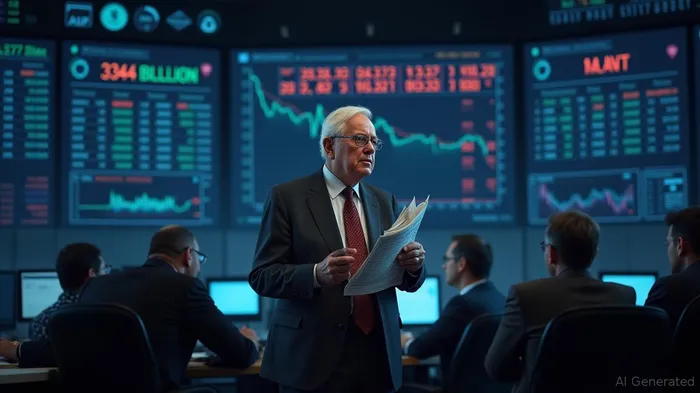
However, Buffett has paused share repurchases for 12 consecutive months as of late 2024, signaling a valuation-based pause. Berkshire’s stock has traded at a 60%-75% premium to book value, exceeding historical averages. This aligns with Buffett’s focus on intrinsic value, as reflected in the Buffett Indicator—a market-cap-to-GDP ratio now at 210%, far above its 1970–2025 average of 85%. The broader market’s elevated valuations have limited immediate opportunities for buybacks, with Berkshire holding $344 billion in cash and equivalents for future deployment.
Buffett’s recent $1.2 billion sale of VerisignVRSN-- shares underscores a broader trend of portfolio rebalancing. The move reduced Berkshire’s stake below a 10% threshold to avoid regulatory burdens. Despite the sale, Verisign’s strong domain registration growth and pricing power suggest long-term strategic value. Meanwhile, Buffett’s net selling of stocks over 11 quarters—$177.4 billion in total—reflects a cautious stance amid high market valuations. His focus remains on preserving Berkshire’s reputation and preparing for leadership transition, with Greg Abel set to succeed him by year-end.
A backtested strategy of holding the top 500 high-volume stocks for one day generated a 166.71% return from 2022 to August 2025, outperforming the benchmark by 137.53%. This highlights liquidity concentration’s role in short-term performance, particularly in volatile markets, where high-volume stocks respond more dynamically to trading activity and institutional flows.







Comentarios
Aún no hay comentarios