
Benjamin Netanyahu's Syria Actions Strain US-Israel Relations Amid Escalating Tensions
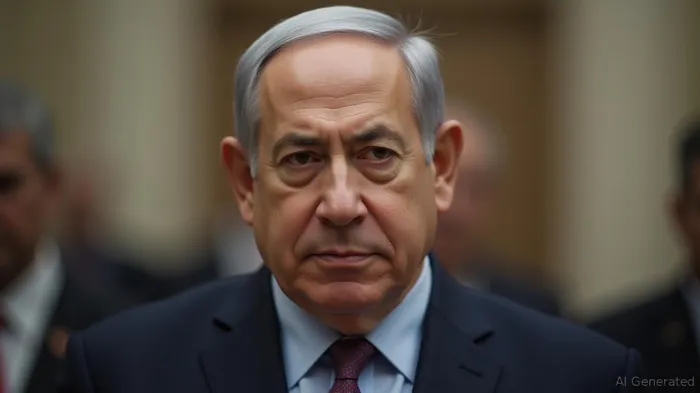
Benjamin Netanyahu's recent actions in Syria have sparked significant concern and criticism within the U.S. administration. Following Israeli airstrikes on a convoy of Syrian government tanks, the Israeli Prime Minister intensified the military intervention by targeting the Ministry of Defence in Damascus. This escalation has reportedly exasperated White House officials, who have privately described Netanyahu as behaving like a “madman.”
The Israeli government's military actions in Syria come amidst warnings from U.S. diplomats to halt its interventions in the region. However, the diplomatic cautions appear to have fallen on deaf ears as Netanyahu continued to press forward. Although President Trump has not publicly reprimanded Netanyahu for his actions, insiders suggest that U.S. officials are vocally furious about the Israeli intervention, viewing it as a potential threat to broader regional strategy.
Trump, who has lifted sanctions on Syria earlier this year, has been striving to position himself as a peacemaker in the Middle East. Looking ahead to achieving international recognition, he seems intent on securing a Nobel Peace Prize by highlighting his efforts in resolving conflicts worldwide. While certain areas, like Gaza and Ukraine, still face ongoing violence, Trump takes credit for the diplomatic successes in the Democratic Republic of Congo and the cessation of hostilities between India and Pakistan after tensions flared in Kashmir.
Netanyahu's aggressive approach in Syria, however, poses complications to Trump's diplomatic aspirations. The recent airstrikes conducted by Israel have heightened tensions, undermining efforts to maintain a US-brokered ceasefire in Sweida, a city 40 miles from the Israeli-controlled Golan Heights. This predominantly Druze city has been at the heart of clashes between Druze militias and Sunni Muslim clans.
The fragile state of peace is reflected in the struggles within Sweida, where recent violent episodes involving tit-for-tat kidnappings have sparked a wider conflict, spreading into the city. With the violence threatening Syria's delicate post-civil war transition, reports suggest that clashes have led to over 1,000 deaths in the past week. However, obtaining precise figures is challenging due to on-ground constraints.
While Israel claims its military actions are justified as a defense of the Druze community, which is linked to the Arabic-speaking minority in Israel and the Middle East, the US administration sees Netanyahu’s approach as disruptive. US officials have voiced irritation not only concerning the escalation in Syria, but also in reaction to Israel's shelling of religious sites, notably a Catholic church in Gaza, which led to the death of several individuals.
In response, prominent figures like Marco Rubio, the US Secretary of State, have urged for intervention by Syrian leaders to curb the violence. Public statements emphasize the need for accountability, condemning the atrocities committed and urging for justice within their ranks.
Alongside regional concerns, widespread skepticism about Netanyahu’s actions proliferates within the Trump administration. An official noted the disruptive nature of Netanyahu's Mideast policies and the growing skepticism within US leadership. The sentiment was further reinforced by the US ambassador to Israel, Mike Huckabee, calling for consequences following rising tensions and acts of violence in the region.
The ongoing friction between Netanyahu's policies and the US stance reveals deep-seated concerns over the impact of Israeli military actions on efforts to stabilize the Middle East. While the Israeli leader maintains a firm stance around defending minority groups, international pressure mounts for moderation, emphasizing the need for balanced diplomacy over military intervention.







Comentarios
Aún no hay comentarios