
Beneath the Surface: How Tariffs Could Sink U.S. Producer Prices and Equity Markets
The U.S. Producer Price Index (PPI) for June 2025 showed a flat reading, suggesting a temporary reprieve from inflationary pressures. However, beneath this calm surface lies a simmering crisis: geopolitical trade tensions and overlooked import price pressures that could undermine current market optimism. As tariffs escalate and supply chains tighten, equity markets—particularly those in consumer discretionary and industrial sectors—are at risk of a reckoning. Meanwhile, defensive sectors like utilities and healthcare may offer shelter from the storm.
The Illusion of Stability in PPI Data
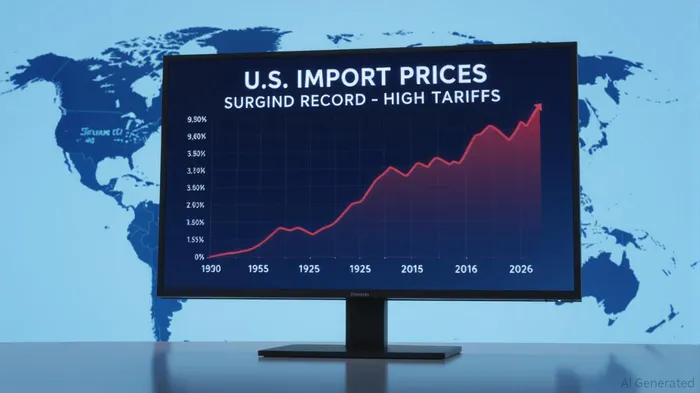
The June PPI report, which tracks wholesale prices, revealed a 0.0% monthly change, aligning with economists' modest expectations. Core PPI (excluding volatile items like food and energy) also held steady. Yet this apparent stability masks deeper fractures. Import prices, heavily influenced by tariffs, are soaring, and these costs are slowly filtering into domestic producer prices. For instance:
- Clothing and textiles now cost 20% more long-term due to tariffs, with leather goods up 44% in the short term.
- Motor vehicles are 10-14% pricier post-tariffs, adding thousands to car costs.
- Appliances jumped 1.9% in June alone, driven by tariffs on steel and aluminum.
While the PPI does not explicitly track imports, these cost pressures will eventually ripple into broader inflation metrics like the CPI, which rose to 2.7% year-over-year in June—its highest level in four months.
The Silent Inflationary Threat
Tariffs are not just a temporary blip; they're structurally altering price dynamics. The BLS data reveals that pre-tariff inventory buffers are depleting, meaning businesses can no longer absorb costs. By late 2025, prices for goods like fresh produce (up 7% short-term) and electronics (video equipment surged 4.5% in June) will see sustained hikes.
The economic toll is already visible:
- GDP growth is projected to drop by 0.9 percentage points in 2025 due to tariffs, with a lasting 0.5% drag long-term.
- Unemployment could rise by 0.5%, wiping out 641,000 jobs.
These numbers suggest a slowdown in consumer spending, which accounts for 70% of U.S. GDP. Equity markets, currently buoyed by hopes of a soft landing, may be underestimating the hit to corporate profits.
Geopolitical Tensions Escalate
The U.S. has pushed its average effective tariff rate to 19.7%—the highest since the Great Depression—with new levies announced in July 2025. A 30% tariff on EU and Mexican goods, effective August 1, will further strain supply chains. This policy whiplash creates uncertainty for businesses and investors alike:
- Stockpiling and delays will amplify price volatility.
- Global trade partners are retaliating, diverting shipments and inflating costs.
The Federal Reserve faces a dilemma: raising rates to combat inflation could exacerbate the economic contraction, while inaction risks a wage-price spiral.
Market Mispricing and Opportunities
Equity markets are pricing in resilience, but sectors exposed to tariffs are vulnerable:
- Consumer discretionary stocks (e.g., retailers, automakers) face margin squeezes as input costs rise.
- Industrial companies reliant on imported components (e.g., machinery, semiconductors) may see declining profit margins.
Meanwhile, defensive sectors are underappreciated:
1. Utilities and healthcare benefit from stable demand and inflation hedges like regulated pricing.
2. Consumer staples (e.g., food and household goods) offer downside protection, as households prioritize necessities.
The data shows staples outperforming during inflationary periods, a trend likely to continue.
Investment Strategies for Navigating the Tariff Storm
- Rotate into defensive sectors: Utilities (XLU), healthcare (XLV), and consumer staples (XLP) offer stability.
- Short tariff-sensitive equities: Consider shorting industrials (XLI) or discretionary stocks (XLY) if inflation spikes.
- Hedge with Treasuries: A portfolio tilt toward long-dated bonds (e.g., TLT) could buffer against equity volatility.
Conclusion
The PPI's surface calm is misleading. Tariffs are fueling a stealth inflationary surge, with geopolitical risks compounding the pain. Markets may soon confront the reality of slower growth and higher prices—a scenario where defensive sectors shine. Investors ignoring these pressures risk being blindsided by the next leg of volatility.
As we head into Q3, the message is clear: prepare for turbulence—and protect your portfolio accordingly.







Comentarios
Aún no hay comentarios