
Beaver Hollow Niagara's Chapter 11 Filing: A Tactical Setup for Secured Creditors
The catalyst is clear and immediate. On January 2, 2026, Beaver Hollow Niagara, LLC filed a voluntary Chapter 11 petition in the Western District of New York. The case is officially designated as a "Small Business" case, with a plan due by October 29, 2026. This isn't a sprawling corporate collapse; it's a standard, contained restructuring for a small entity.
The scale is telling. The filing shows assets and liabilities both falling within the $100,001-$1,000,000 range, with the number of creditors listed between 50-99. The debtor's nature of business is listed as RV Parks and Recreational Camps, and the case number is 26-10001. This structure creates a defined, limited asset pool and a clear procedural timeline, which is key for tactical analysis.
There's a curious legacy hook. The entity's former name was FRW Beaver Hollow Management LLC, and it's now operating under the "Beaver Hollow" brand. This name, while not directly tied to the popular TV show, evokes the concept of a "big loser" in a different arena. For investors, the focus should be on the bankruptcy mechanics, not the branding. The filing itself is a routine small-business Chapter 11, not a complex, multi-asset restructuring.
The immediate setup for secured creditors is defined by this simplicity. With a limited asset base and a fixed plan deadline, the path to a resolution is more predictable. The risk is concentrated, but so is the potential for a mispricing. The market may initially price in broad distress, overlooking the specific, contained nature of this case. The 341 meeting of creditors is already scheduled for February 3, 2026, marking the first formal step in the process. This event-driven catalyst sets the stage for a tactical play on secured claims.
The Mechanics: Secured Creditor Position and Near-Term Catalysts
The procedural setup is now clear, and it defines the tactical window. The first concrete signal from a key stakeholder arrived yesterday, when Ally Bank filed a 'Creditor Request for Notices'. This is a direct claim, indicating Ally holds a secured position and is actively monitoring the case. For a secured creditor, this is a critical first step-it ensures they receive all court filings and notices, which is essential for protecting their lien and participating in any creditor committee.
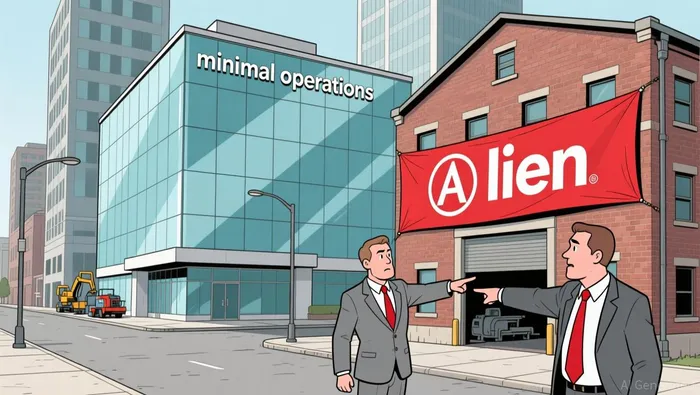
The debtor's nature of business provides a crucial clue. The bankruptcy petition lists the "nature of business" as "None of the Above", despite the entity's industry being RV Parks and Recreational Camps. This suggests Beaver Hollow Niagara is not an operating company but likely a holding entity, possibly with minimal ongoing operations. In practice, this means the asset pool is likely limited to the value of its underlying real estate or other holdings, with a simpler capital structure. For secured creditors, a non-operational entity reduces the complexity of the restructuring but also concentrates the recovery risk on those specific assets.
The immediate catalyst is the first meeting of creditors. The 341 meeting is scheduled for February 3, 2026. This is the first formal gathering where the debtor, creditors, and the U.S. Trustee will meet. It's a key event for secured creditors to verify the accuracy of claims, understand the debtor's financial position firsthand, and gauge the overall creditor sentiment. The meeting will also formally appoint a trustee if one is needed, which will be a major development for the case's trajectory.
The timeline is tight but defined. The case is a "Small Business" Chapter 11, with a plan due by October 29, 2026. However, the real tactical window opens in the next few weeks. The 341 meeting on February 3rd is the first major event where the secured creditor's position can be tested. The filing by Ally Bank shows the process is already activating, and the limited asset base means any mispricing in the secured claim could be quickly arbitraged once the meeting clarifies the recovery path.
The Setup: Valuation and Risk/Reward for Stakeholders
The tactical setup for secured creditors is defined by a simple, contained asset pool and a clear near-term catalyst. The filing shows assets and liabilities both in the $100,001-$1,000,000 range, a scale that limits the total recovery available for unsecured creditors. For secured claimants like Ally Bank, this means their position is prioritized against this specific collateral. The primary immediate catalyst is the 341 meeting scheduled for February 3, 2026. This gathering is where the secured creditor will hear the debtor's plan and financial position firsthand, providing the first concrete data point to test any initial mispricing.
The key risk here is operational. The debtor listed its "nature of business" as "None of the Above", despite its industry being RV Parks. This strongly suggests Beaver Hollow Niagara is a holding entity with minimal ongoing operations. In practice, this concentrates the recovery risk entirely on the value of its underlying assets, likely real estate. A viable reorganization plan hinges on those assets having sufficient value to support both secured claims and a small buffer for unsecured creditors. If the asset pool is over-leveraged or illiquid, the path to a confirmed plan becomes narrow.
For secured creditors, the risk/reward is asymmetric and time-bound. The defined timeline-plan due by October 29, 2026-provides a ceiling on uncertainty. The February 3rd meeting is the first test of the debtor's recovery path. If the secured claim is materially under-collateralized, the filing may create a temporary mispricing that can be arbitraged. However, the limited asset base means there is little room for error. The setup favors a tactical, event-driven approach: monitor the 341 meeting for clarity on the asset value and plan viability, then position accordingly. The mispricing opportunity exists only if the market initially overestimates the operational risk or underestimates the secured priority.







Comentarios
Aún no hay comentarios