
E.L.F. Belleza: Capturando la revolución en el sector de la belleza para el mercado masivo
El caso de éxito de e.l.f. Beauty se basa en dos factores importantes y interconectados: un mercado enorme que puede ser capturado, y un modelo único y ágil para aprovechar ese mercado. La industria mundial del belleza es un ejemplo de esto.Mercado de 500 mil millones de dólaresE.l.f. se ha posicionado como el líder indiscutible en su principal campo de batalla: el segmento de cosméticos de color para el mercado masivo en los Estados Unidos. Para el período 2024-2025, la marca ocupa esa posición.Primera posición en cuanto a participación en el mercado minorista, según NIQ-tracked.Con una cuota de mercado del 15% aproximadamente, esta empresa sigue expandiendo su participación en el mercado. Este dominio constituye una base sólida para el crecimiento de la empresa, ya que continua superando a sus competidores en varios órdenes de magnitud.
Lo que hace que esta fundación sea tan poderosa es la capacidad de E.L.F. para moverse a una velocidad digital. La empresa opera en esa dirección.Ciclo de desarrollo del producto de 13 a 20 semanasUn ritmo increíblemente rápido que permite la innovación en forma inmediata y la capacidad de aprovechar las tendencias antes de que desaparezcan. Esta agilidad es el motor detrás del crecimiento constante de sus ventas.25 trimestres consecutivos de crecimiento en las ventas netas.Esto no es simplemente una tendencia pasajera; se trata de una demostración de un modelo escalable que logra convertir constantemente los nuevos productos en ingresos reales.
Los resultados financieros confirman la eficacia del modelo utilizado por la empresa. En todo el año fiscal 2025, la empresa logró un aumento del 28% en las ventas netas. Este dato demuestra el impulso que tiene la empresa en su sector. La dirección proyecta que esta tendencia de crecimiento permitirá que los ingresos de la empresa superen los 1.400 a 1.500 millones de dólares en el año fiscal 2025. Esta proyección representa un gran avance en comparación con los más de 1 mil millones de dólares de ingresos obtenidos en el año fiscal 2024. Esto demuestra la capacidad de la empresa para expandirse y aumentar sus ingresos gracias a su enfoque digital y orientado al mercado. La combinación de un amplio mercado objetivo, una posición de marca líder y un ciclo de innovación rápido crea un entorno favorable para el aumento sostenido de la cuota de mercado y el crecimiento de los ingresos.
Expansión estratégica: Portafolio de múltiples marcas y penetración internacional
La estrategia de crecimiento de e.l.f. ahora es claramente multifacética, y tiene como objetivo expandirse más allá de su mercado principal en Estados Unidos. La empresa está desarrollando un portafolio diversificado y está aprovechando al máximo las oportunidades en los mercados internacionales. Estos dos pasos son cruciales para mantener su trayectoria de alto crecimiento.
La piedra angular de la diversificación de su portafolio es…Acuerdo para adquirir Rhode.Se trata de una marca de belleza que crece rápidamente, fundada por Hailey Bieber. Esta adquisición sirve como un paso importante para expandir el ecosistema de “belleza rápida” de la empresa. rhode aporta una identidad distintiva, respaldada por celebridades, además de enfocarse en el cuidado de la piel y los colores faciales, lo cual complementa las ofertas principales de e.l.f. Lo más importante es que esto permite a e.l.f. utilizar su característica marca para ganar más clientes.La propuesta de valor “calidad de prestigio a precios de mercado masivo”.Al integrar Rhode con E.L.F., el objetivo es captar la demanda de los consumidores de alta calidad, sin tener que enfrentarse a los altos precios tradicionales. De esta manera, se logra compensar los costos y ampliar la atracción del producto.
La expansión internacional es otro de los pilares importantes del negocio. Los datos muestran un crecimiento exponencial. En el tercer trimestre del año fiscal 2025…Las ventas netas fuera de los Estados Unidos aumentaron un 66% en comparación con el año anterior.Un ritmo de crecimiento impresionante, que ha permitido que las ventas internacionales representen el 20% del total de las ventas netas de la empresa. Este crecimiento no es algo ocasional, sino que se trata de una estrategia sistemática y continua. La empresa está implementando una estrategia disciplinada y ordenada, como se puede observar en sus recientes lanzamientos en los países europeos como los Países Bajos y Bélgica. Estos avances hacia importantes minoristas europeos como Kruidvat y Trekpleister tienen como objetivo lograr una escala inmediata y mayor accesibilidad para los productos de la empresa, similar a lo que ha logrado con sus alianzas comerciales en Estados Unidos.
La estructura de la empresa es típica de aquellos que invierten en el sector de crecimiento empresarial. e.l.f. utiliza su modelo ágil y eficiente para replicar el éxito en el extranjero. Al mismo tiempo, utiliza fusiones y adquisiciones para diversificar sus fuentes de ingresos y entrar en segmentos con mayores márgenes de ganancia. La tasa de crecimiento internacional del 66% constituye un importante beneficio. La adquisición de rhode sirve como herramienta para aprovechar mejor la creciente demanda de productos de belleza de alta calidad. La visión de la empresa es clara: convertirse en un verdadero conglomerado global de productos de belleza, expandiendo su modelo disruptivo mucho más allá de sus territorios originales en los Estados Unidos.
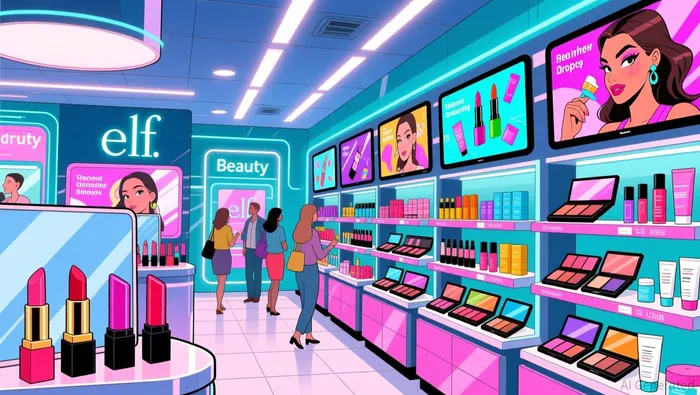
La sostenibilidad del crecimiento de e.l.f. depende de su capacidad para mantener la rentabilidad mientras se expande. Además, su situación financiera le permite ejecutar su estrategia ambiciosa con flexibilidad. La empresa está enfrentando esta transición con un buen equilibrio entre los diferentes productos que ofrece y un balance de cuenta muy sólido.
Un factor clave para la resiliencia de las márgenes es la evolución estratégica de su portafolio de productos. Aunque los cosméticos de colores siguen siendo el principal motor de ingresos, la empresa está conscientemente orientándose hacia líneas de productos para el cuidado de la piel, que ofrecen márgenes más altos. La integración de…NaturiumLa adquisición de las marcas Rhode es fundamental para este movimiento. Estas marcas ofrecen precios de alta calidad dentro del marco de “calidad de prestigio a precios de mercado masivo”, lo que permite que la empresa obtenga más valor por cada venta. Este cambio en la combinación de marcas es crucial, ya que ayuda a compensar las presiones de costos inerentes a la rápida innovación y expansión. Esto contribuye a mantener un margen bruto del 70%, y un margen operativo del 20%.
Desde el punto de vista financiero, la empresa se encuentra en una posición muy favorable. Su balance general puede describirse como…FuerteCon niveles de deuda manejables. La principal fuente de esta ventaja financiera es la adquisición de Naturium en el año 2023. Se trata de una inversión estratégica que ya está dando resultados positivos, gracias a la expansión internacional del negocio. Esta flexibilidad financiera es un factor importante, ya que proporciona los recursos necesarios para financiar las actividades de fusión y adquisiciones, así como el desarrollo de productos que requieren mucho capital.
Quizás, la ventaja competitiva más duradera de esta empresa sea su capacidad de innovación. El ciclo de desarrollo de productos de e.l.f., que dura entre 13 y 20 semanas, es una herramienta efectiva para enfrentarse a las grandes empresas tradicionales. Esta agilidad le permite replicar rápidamente los éxitos de otros fabricantes, y además, mejorarlos constantemente.Maybelline y Charlotte TilburyEsto significa que se inundan los mercados con productos “de prestigio”, pero a un precio asequible. No se trata simplemente de una táctica de marketing; se trata de un desafío estructural para las empresas tradicionales, cuyos procesos de desarrollo más lentos no pueden competir con este ritmo. El resultado es una constante presión sobre la cuota de mercado y el poder de fijación de precios. Esto fortalece a e.l.f. como líder en el sector de cosméticos de color en Estados Unidos.
En resumen, e.l.f. está implementando un plan financiero y estratégico muy sofisticado. Utiliza su fuerte posición de capital para diversificar su cartera de inversiones y expandirse a nivel mundial. Además, su modelo de alta velocidad permite crear una estrategia competitiva que se refuerza por sí sola. El camino a seguir depende de la integración exitosa de nuevos marcas y mercados internacionales, sin que esto afecte negativamente su ventaja competitiva. Sin embargo, las bases financieras y operativas están bien establecidas para respaldar esa ambición.
Catalizadores, riesgos y lo que hay que tener en cuenta
El camino hacia una dominación sostenible ahora depende de la ejecución de dos expansiones ambiciosas y paralelas. El catalizador principal es la integración exitosa de la adquisición de Rhode, así como la ejecución impecable de la implementación internacional del modelo de negocio. Estos pasos pondrán a prueba la capacidad de escalabilidad del modelo de múltiples marcas de e.l.f. La empresa ya ha demostrado su capacidad para replicar el éxito en el extranjero.Las ventas netas fuera de los Estados Unidos han aumentado un 66% en comparación con el año anterior.En el tercer trimestre del año fiscal 2025. La próxima fase consiste en convertir ese crecimiento explosivo en una presencia internacional estable y rentable. Esto se ha demostrado con los recientes lanzamientos en los Países Bajos y Bélgica. Al mismo tiempo, la adquisición de Rhode debe integrarse sin problemas en el ecosistema existente, para diversificar los ingresos y captar la demanda de productos de alta calidad. El éxito de esta estrategia validará el uso de un modelo ágil y eficiente para expandirse tanto geográficamente como entre diferentes niveles de marca.
Un riesgo importante para el futuro dominio de la empresa es la sostenibilidad de las tasas de crecimiento excesivas a medida que la empresa madura. Después de una etapa de rápido crecimiento, la empresa ahora se encuentra en un entorno de crecimiento “normalizado”, tras el auge posterior a la pandemia. El crecimiento trimestral del 4% en el cuarto trimestre del año fiscal 2025, aunque positivo, indica una desaceleración con respecto al ritmo anual del 28% durante todo el año. Este cambio es natural, ya que la empresa se vuelve más competente en sus mercados. Pero esto aumenta las expectativas para el crecimiento futuro. La empresa debe generar su próxima ola de expansión a partir de nuevos mercados y nuevas marcas. Es una tarea más compleja y que requiere más capital que simplemente aprovechar una tendencia doméstica. El riesgo es que la agilidad inherente al modelo de negocio, aunque una ventaja, podría no ser suficiente para mantener el mismo ritmo de crecimiento ante un entorno macroeconómico más competitivo y cauteloso.
Los inversores deben monitorear ciertas métricas para evaluar los avances realizados. Lo más importante es la trayectoria trimestral del crecimiento de las ventas internacionales. Un aumento constante del 66% en el último trimestre demuestra que la estrategia internacional está funcionando bien. Por el contrario, una desaceleración significativa sería un indicio de problemas. También es importante considerar la contribución financiera de las marcas adquiridas.NaturiumEl valor de las marcas recién adquiridas se determinará en función de su participación en los ingresos, y, lo que es más importante, en función de la combinación de márgenes que obtienen. El objetivo es que estas marcas contribuyan a aumentar los márgenes generales del portafolio, compensando así cualquier disminución causada por la rápida expansión. El monitoreo de estos dos indicadores –la tasa de crecimiento internacional y la rentabilidad de las marcas adquiridas– nos proporcionará información clara sobre si el motor de crecimiento de e.l.f. está funcionando como se planeaba, o si comienza a enfrentar problemas.







Comentarios
Aún no hay comentarios