
Baytex Energy's 2026 Strategic Reset: A Pathway to Enhanced Shareholder Value and Sustainable Growth
Baytex Energy's recent divestiture of its U.S. Eagle Ford assets marks a pivotal moment in the company's evolution, signaling a deliberate shift toward capital efficiency and strategic reallocation. By in net proceeds, BaytexBTE-- has positioned itself to delever, refocus on high-return Canadian operations, and prioritize shareholder returns-a move that could redefine its value proposition in 2026 and beyond.
Financial Reengineering: Debt Reduction and Liquidity Strengthening
The proceeds from the Eagle Ford sale are being aggressively deployed to reduce debt and optimize the capital structure. A portion of the funds will repay credit facilities and redeem senior notes due in 2030 and 2032, including a tender offer for . This action not only lowers interest expenses but also extends the debt maturity profile, reducing refinancing risks. According to Bloomberg, the company now holds a net cash position, . Such measures underscore Baytex's commitment to returning capital to shareholders, with a significant portion of proceeds expected to flow directly to equity holders.
Strategic Reallocation: Focusing on Core Canadian Assets 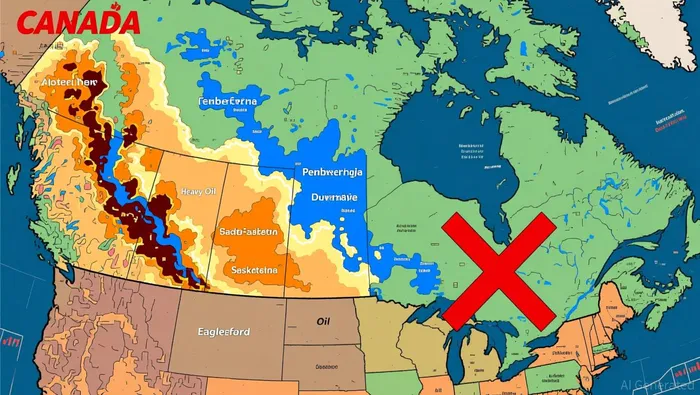
The divestiture aligns with Baytex's long-term strategy to concentrate on its high-margin Canadian operations, particularly in the Western Canadian Sedimentary Basin (WCSB). , with and 45% to heavy oil operations. , leveraging the company's expertise in the Pembina Duvernay and Alberta-Saskatchewan heavy oil plays according to Energy News Beat. By exiting the Eagle Ford-a mature asset with predictable but lower-margin cash flows-Baytex can redirect resources to higher-return projects, enhancing overall capital efficiency.
Short-Term Pain for Long-Term Gain
While in 2025 results, the long-term benefits outweigh this near-term hit. The sale reduces operational complexity and scales back exposure to U.S. market volatility, allowing Baytex to streamline operations. Fitch Ratings acknowledged the trade-off, downgrading the company's credit rating to 'B+' due to reduced scale but maintaining a stable outlook, citing improved liquidity and disciplined capital allocation. This strategic reset positions Baytex to capitalize on WCSB's cost advantages and leverage its strong balance sheet to fund growth without overreliance on external financing.
Risks and Considerations
Critics may question the wisdom of exiting a cash-generative asset like Eagle Ford, particularly in a low-price environment. However, Baytex's rationale hinges on the timing of the sale: the company had already fully developed the Eagle Ford asset base, making it a "high-confidence" exit according to Oil & Gas Leads. By monetizing at a time of peak development, Baytex maximizes proceeds while avoiding the long-term maintenance costs associated with mature assets. The decision also aligns with broader industry trends, as peers increasingly prioritize operational simplicity and shareholder returns over geographic diversification.
Conclusion: A Value-Driven Transformation
Baytex's 2026 strategic reset is a calculated move to enhance capital efficiency, strengthen liquidity, and focus on core strengths. The Eagle Ford divestiture is not merely a financial transaction but a strategic realignment that prioritizes sustainable growth and shareholder value. With a robust budget, a disciplined approach to debt reduction, and a renewed focus on high-return Canadian assets, Baytex is well-positioned to navigate 2026's challenges and capitalize on its restructured portfolio. For investors, this transformation represents a compelling case of strategic clarity in action.





Comentarios
Aún no hay comentarios