
Bayer's Legal Playbook: How State Regulations Could Slash Glyphosate Costs and Boost Shareholder Value
Bayer, the pharmaceutical and agricultural giant, has long been embroiled in a costly legal battle over its glyphosate-based herbicides like Roundup. With over 180,000 lawsuits alleging the chemical causes cancer, the company has paid $16 billion in settlements and judgments since 2018. But in early 2025, Bayer’s CEO is betting on a new strategy: lobbying U.S. states to pass laws that limit liability for manufacturers of EPA-approved pesticides. If successful, this could dramatically reduce legal costs and unlock shareholder value. Here’s how it works—and why investors should pay attention.
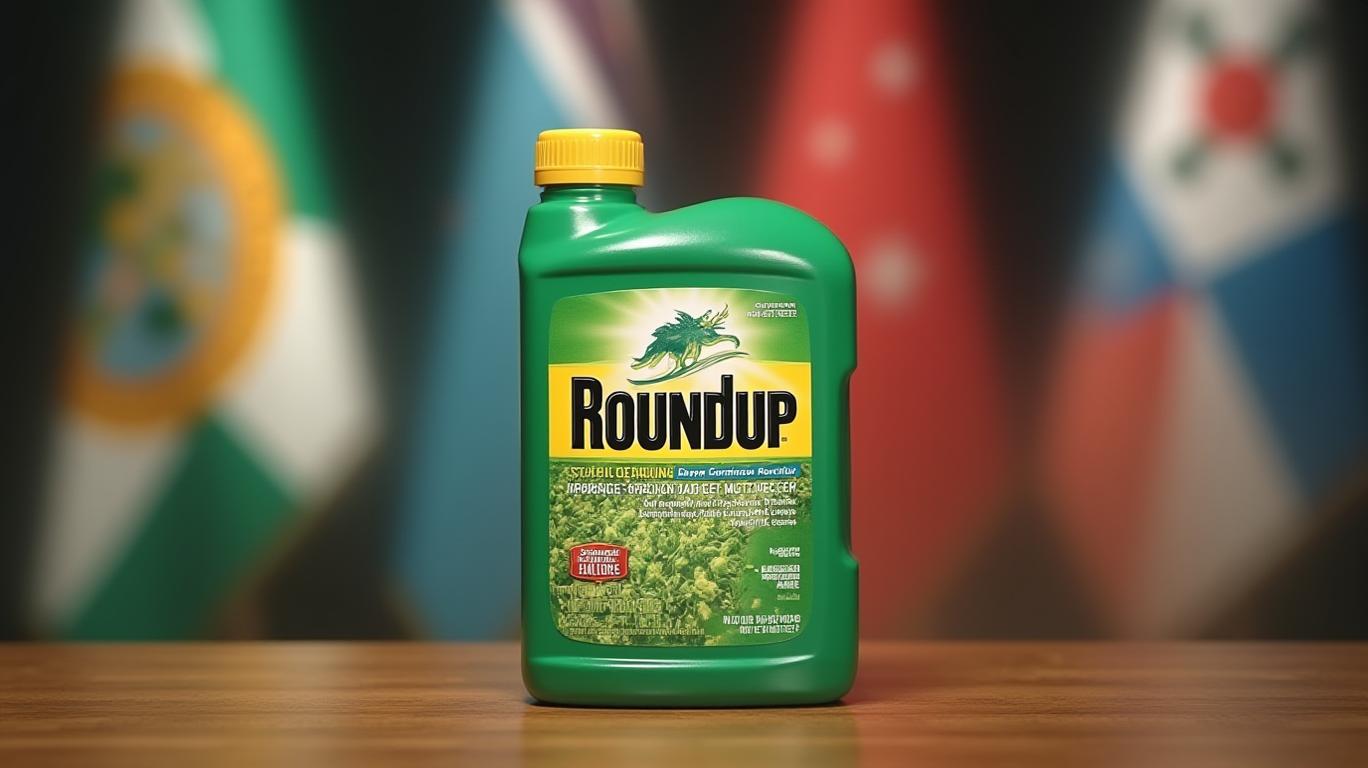
The State-Level Playbook
Bayer’s initiative hinges on preemption laws—statutes that prevent states from enforcing stricter regulations than federal standards. The key here is the Federal Insecticide, Fungicide, and Rodenticide Act (FIFRA), which governs pesticide labeling. By pushing states to adopt laws aligning with FIFRA, Bayer aims to shield itself from “failure-to-warn” lawsuits, which have been the backbone of plaintiff claims.
States in Play:
- Florida (HB 129): Expands liability protections to manufacturers, barring failure-to-warn claims if labels meet EPA standards.
- Mississippi (HB 1221): Prohibits all civil actions against pesticide manufacturers if the product has an EPA-approved label.
- Georgia (SB 144): The closest to passage, this bill awaits the governor’s signature after passing both legislative chambers. A $2.1 billion jury verdict against Bayer in Georgia in March 2025 underscores the urgency.
- Wyoming (HB 0285): A wildcard—plaintiffs can challenge EPA labels if they prove the science was flawed, though this exception is narrow.
Note: Bayer’s stock has stagnated amid legal pressures. A successful legislative push could catalyze a rebound.
The Supreme Court Wild Card
While state laws are critical, the U.S. Supreme Court’s stance on FIFRA preemption could be the game-changer. Bayer petitioned the Court in April 2025 to resolve a split between lower courts:
- The Third Circuit ruled FIFRA preempts state failure-to-warn claims.
- The Eleventh and Ninth Circuits disagreed, allowing suits to proceed.
A ruling in Bayer’s favor could eliminate 67,000 unresolved cases, slashing legal expenses and boosting profitability. However, the Court has yet to accept the case, leaving uncertainty.
The Risks: Opposition and Scientific Debates
Critics, including the Make America Healthy Again (MAHA) movement and the Center for Food Safety, argue these laws strip citizens of legal recourse. They highlight:
- The WHO’s IARC 2015 report, which classified glyphosate as “probably carcinogenic.”
- Ongoing studies linking glyphosate to non-Hodgkin lymphoma and birth defects.
Opposition has already derailed bills in Montana and Wyoming, signaling legislative pushback. Investors should also note that the EPA’s ongoing reassessment of glyphosate’s risks (mandated by a 2022 court order) could introduce new uncertainties.
The Financial Impact
Bayer’s legal expenses are staggering:
- $1.1 billion in settlements in 2023 alone.
- Legal costs now account for ~6% of revenue, compared to ~1% for peers like Monsanto (now part of Bayer).
A successful state strategy could cut these costs by billions, freeing cash flow for R&D or dividends. For context, if legal expenses dropped to $500 million annually, that would add ~€0.80 per share to earnings.
Conclusion: A High-Reward, High-Risk Gamble
Bayer’s state-level legal strategy is a bold move with significant upside. If Georgia’s SB 144 passes and the Supreme Court rules in its favor, the company could slash its legal liabilities, unlocking €3–5 billion in annual savings. This would boost earnings, improve the balance sheet, and likely lift its stock price (currently trading at a 15% discount to peers).
However, risks loom large:
1. Legislative setbacks: Defeated bills in Montana and Wyoming show opposition is fierce.
2. Scientific pushback: Emerging studies could reignite lawsuits even with preemption laws.
3. EPA uncertainty: The agency’s pending reclassification of glyphosate’s risks could undermine the entire strategy.
For investors, Bayer’s stock presents a speculative play on regulatory success. Monitor state legislative progress (especially Georgia) and the Supreme Court’s actions in H2 2025. A win here could mean a 20–30% upside—but failure might leave the company in its legal quagmire for years.
Final thought: Bayer’s fate now hinges on politics as much as science. For shareholders, the next 12 months could decide whether this becomes a winning comeback story or a cautionary tale.







Comentarios
Aún no hay comentarios