
Barilla's Protein+ Innovation and Its Impact on the Health-Focused Food Sector
The global food industry is undergoing a seismic shift driven by two converging forces: the demand for nutrient-dense, plant-based foods and the imperative for sustainable brand evolution. Barilla Group's Protein+ pasta line, launched in 2025, epitomizes this transformation. By blending traditional Italian culinary heritage with cutting-edge plant-based protein innovation, Barilla has positioned itself at the forefront of a U.S. pasta market projected to grow at a 1.4% annual rate. This article examines how Barilla's Protein+ aligns with consumer-driven nutrition trends and sustainability goals, offering a compelling case for its strategic relevance in the health-focused food sector.
Consumer Trends: Protein as a Functional Staple
The 2025 protein landscape is defined by a surge in demand for high-protein plant-based foods. According to ADM's 2025 Alternative Protein Landscape Report, 58–70% of consumers are actively seeking to increase protein content in their meals, driven by goals such as muscle maintenance, weight management, and healthier aging. This trend is further amplified by the rise of GLP-1 weight-loss drugs, with 44% of users prioritize plant-based proteins for their functional health benefits. Barilla's Protein+ pasta, which delivers 20 grams of protein per 100 grams-derived from peas, chickpeas, lentils, and golden wheat-directly addresses this demand.
Notably, the product's success lies in its ability to replicate the sensory experience of traditional pasta. Consumer reviews highlight its "perfectly al dente texture" and "same taste and mouthfeel of regular pasta," distinguishing it from grainy or mealy alternatives. This alignment with taste expectations is critical, as Cargill's 2025 Protein Profile notes that 61% of consumers increased their protein intake in 2024, but animal proteins like beef and chicken remain dominant due to their established palatability. Barilla's innovation bridges this gap, offering a plant-based option that satisfies both nutritional and sensory preferences.
Sustainable Brand Evolution: Regenerative Agriculture and Renewable Energy
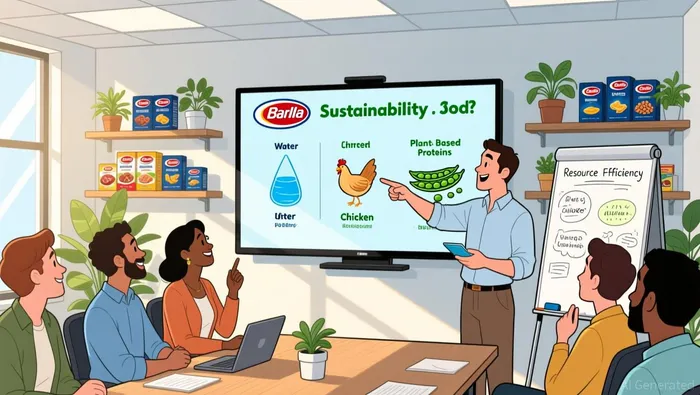
Barilla's Protein+ is not merely a product but a manifestation of the company's broader sustainability strategy. The brand's 2025 Sustainability Report outlines ambitious goals, including sourcing 250,000 tons of raw materials from certified regenerative agriculture by 2030 and expanding renewable energy capacity to 24 MW of photovoltaic systems. These initiatives are integral to reducing the environmental footprint of protein production, particularly as plant-based proteins like those in Protein+ require significantly less water and land compared to animal-derived alternatives.
Moreover, Barilla's commitment to product reformulation underscores its focus on holistic nutrition. The company reformulated 88% of its products to contain ≤5 grams of sugar and ≤0.5 grams of salt per serving, while 90% are now a source of fiber. This aligns with the International Food Information Council's finding that protein remains the top nutrient consumers aim to include in their diets, with over one-third increasing their intake in the past year. By integrating high-protein, fiber-rich ingredients into its core product line, Barilla is redefining pasta as a functional food that supports long-term health outcomes.
Market Performance and Strategic Partnerships
Barilla's Protein+ has already demonstrated strong market traction. The product line, available in shapes like Spaghetti, Penne, and the newly introduced Cellentani (a corkscrew-shaped pasta with 17 grams of protein and 10 grams of fiber per 3.5-ounce serving), is sold through major U.S. retailers at a suggested retail price of $3.49 per serving. Expert testing has lauded its "well-balanced formulation" of 10 grams of protein and 190 calories per serving while partnerships with athletes like soccer star Sydney Leroux have amplified its appeal to active consumers.
The U.S. market's 1.4% growth rate suggests that Barilla's expansion into this space is well-timed. However, the company's true competitive edge lies in its ability to leverage storytelling and sensory innovation. As Barilla's 2025 strategy emphasizes, "memorable dining experiences" are created through regional Italian flavors and tactile elements according to the company's editorial. The Cellentani launch, for instance, combines playful branding with functional benefits, appealing to both health-conscious and experience-driven consumers.
Investment Implications
For investors, Barilla's Protein+ represents a dual opportunity: capitalizing on the $7.46 billion U.S. pasta market while aligning with global sustainability mandates. The product's success hinges on its ability to meet the 20% EU "high in protein" threshold (20% of energy value from protein), a regulatory benchmark that ensures market credibility. Furthermore, Barilla's 48% renewable energy usage and plans to achieve gender pay parity reinforce its ESG credentials, which are increasingly critical for institutional investors.
The rising influence of social media also favors Barilla's strategy. Younger consumers, who drive demand for global flavors and high-protein snacks, are likely to engage with Barilla's dynamic branding and athlete partnerships. This digital resonance could accelerate market penetration, particularly as GLP-1 drug users seek plant-based proteins to complement their health regimens.
Conclusion
Barilla's Protein+ is more than a product-it is a strategic response to the confluence of health-conscious consumerism and sustainability imperatives. By innovating within its core category while adhering to regenerative agriculture and renewable energy goals, Barilla is redefining pasta as a vehicle for both nutrition and environmental stewardship. For investors, this positions the company as a leader in a sector poised for sustained growth, where protein remains "king" and sustainability is no longer optional but essential.







Comentarios
Aún no hay comentarios