
Barclays Warns of Trade Risks as U.S. Tariffs Escalate
Generado por agente de IAEli Grant
sábado, 21 de diciembre de 2024, 9:21 pm ET1 min de lectura
BCS--
As the U.S. prepares to escalate tariffs on a range of goods, financial institutions are assessing the potential impacts on global trade dynamics. Barclays, a leading global bank, has issued a warning about the risks associated with these tariff hikes, aligning with other financial institutions' views on the matter.
Barclays' assessment of trade risks highlights several concerns stemming from the U.S.'s escalating tariffs. The bank warns that increased tariffs could lead to higher transaction costs, potentially curtailing trade interests and disrupting supply chains. This is particularly concerning given the interconnected nature of global trade, with many industries relying on imports and exports. However, Barclays also notes that the impact may vary across sectors and regions, with some industries and countries more vulnerable to tariff-induced disruptions than others.
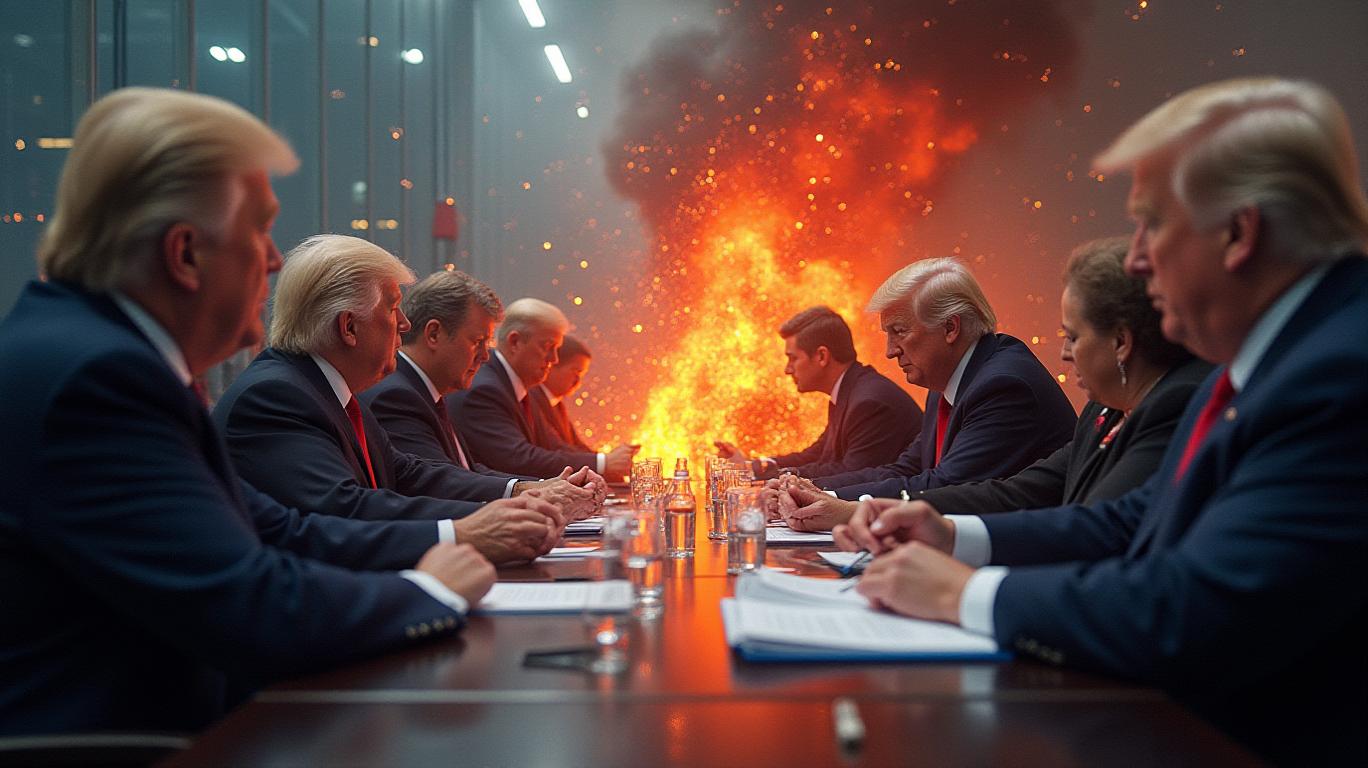
The bank suggests that businesses should consider diversifying their supply chains and hedging against currency fluctuations to mitigate these risks. By doing so, companies can better navigate the complexities of the global trade landscape and maintain their competitiveness in the face of escalating tariffs.
Barclays' risk assessment plays a pivotal role in shaping its investment strategies and recommendations for clients. The bank's analysis of trade risks, such as the U.S. tariff escalation, is crucial in this process. By evaluating the potential impacts of such risks on various sectors and markets, Barclays can provide tailored advice to its clients, helping them navigate the complexities of the global trade landscape. For instance, in response to the U.S. tariff escalation, Barclays may recommend diversifying portfolios to include sectors less exposed to trade tensions, or suggest hedging strategies to mitigate potential losses.
In conclusion, Barclays' assessment of trade risks aligns with other financial institutions' views on the potential impact of U.S. tariff escalations. The bank's warning about the negative effects on global growth and corporate earnings mirrors concerns expressed by the International Monetary Fund (IMF) and the World Bank. These shared concerns underscore the importance of addressing trade risks to maintain global economic stability. As the U.S. moves forward with its tariff plans, businesses and investors should heed the warnings from financial institutions like Barclays and take proactive measures to mitigate the risks associated with escalating tariffs.
FISI--
As the U.S. prepares to escalate tariffs on a range of goods, financial institutions are assessing the potential impacts on global trade dynamics. Barclays, a leading global bank, has issued a warning about the risks associated with these tariff hikes, aligning with other financial institutions' views on the matter.
Barclays' assessment of trade risks highlights several concerns stemming from the U.S.'s escalating tariffs. The bank warns that increased tariffs could lead to higher transaction costs, potentially curtailing trade interests and disrupting supply chains. This is particularly concerning given the interconnected nature of global trade, with many industries relying on imports and exports. However, Barclays also notes that the impact may vary across sectors and regions, with some industries and countries more vulnerable to tariff-induced disruptions than others.
The bank suggests that businesses should consider diversifying their supply chains and hedging against currency fluctuations to mitigate these risks. By doing so, companies can better navigate the complexities of the global trade landscape and maintain their competitiveness in the face of escalating tariffs.
Barclays' risk assessment plays a pivotal role in shaping its investment strategies and recommendations for clients. The bank's analysis of trade risks, such as the U.S. tariff escalation, is crucial in this process. By evaluating the potential impacts of such risks on various sectors and markets, Barclays can provide tailored advice to its clients, helping them navigate the complexities of the global trade landscape. For instance, in response to the U.S. tariff escalation, Barclays may recommend diversifying portfolios to include sectors less exposed to trade tensions, or suggest hedging strategies to mitigate potential losses.
In conclusion, Barclays' assessment of trade risks aligns with other financial institutions' views on the potential impact of U.S. tariff escalations. The bank's warning about the negative effects on global growth and corporate earnings mirrors concerns expressed by the International Monetary Fund (IMF) and the World Bank. These shared concerns underscore the importance of addressing trade risks to maintain global economic stability. As the U.S. moves forward with its tariff plans, businesses and investors should heed the warnings from financial institutions like Barclays and take proactive measures to mitigate the risks associated with escalating tariffs.

Divulgación editorial y transparencia de la IA: Ainvest News utiliza tecnología avanzada de Modelos de Lenguaje Largo (LLM) para sintetizar y analizar datos de mercado en tiempo real. Para garantizar los más altos estándares de integridad, cada artículo se somete a un riguroso proceso de verificación con participación humana.
Mientras la IA asiste en el procesamiento de datos y la redacción inicial, un miembro editorial profesional de Ainvest revisa, verifica y aprueba de forma independiente todo el contenido para garantizar su precisión y cumplimiento con los estándares editoriales de Ainvest Fintech Inc. Esta supervisión humana está diseñada para mitigar las alucinaciones de la IA y garantizar el contexto financiero.
Advertencia sobre inversiones: Este contenido se proporciona únicamente con fines informativos y no constituye asesoramiento profesional de inversión, legal o financiero. Los mercados conllevan riesgos inherentes. Se recomienda a los usuarios que realicen una investigación independiente o consulten a un asesor financiero certificado antes de tomar cualquier decisión. Ainvest Fintech Inc. se exime de toda responsabilidad por las acciones tomadas con base en esta información. ¿Encontró un error? Reportar un problema




Comentarios
Aún no hay comentarios