
Banorte's Strategic Leadership in Latin American Infrastructure: A Pathway to Long-Term Asset Returns
Infrastructure financing in Latin America has long been a double-edged sword: a critical driver of economic growth and social development, yet fraught with political, economic, and environmental risks. For investors, , according to AllianzGI. Enter Banorte, Mexico's leading infrastructure bank, which has emerged as a strategic leader in navigating this complex landscape. By leveraging public-private partnerships (PPPs), prioritizing high-impact sectors, and mitigating regional risks, Banorte is not only addressing Latin America's infrastructure deficit but also positioning itself-and its stakeholders-for long-term asset returns.
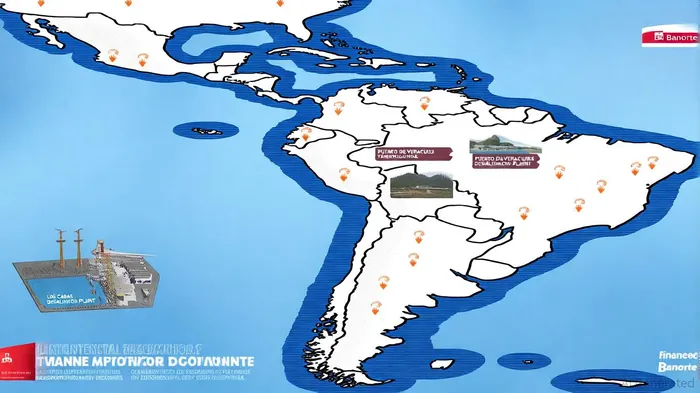
Banorte's Strategic Initiatives: A Blueprint for Impact and Profit
Banorte's dominance in infrastructure financing is underscored by its recent accolades, including being named the Best Infrastructure Bank of the Year in Mexico by LatinFinance. This recognition is tied to its role in landmark projects such as the in Puerto de Veracruz, a first-of-its-kind transaction in Mexico that has revitalized the national port sector, according to a PR Newswire release. By December 2024, Banorte's infrastructure loan book had expanded to , with added in 2024 alone. These figures reflect a deliberate strategy to incubate projects alongside municipal and state authorities, ensuring alignment with investor expectations and regulatory frameworks.
The bank's focus extends beyond transportation to critical sectors like water infrastructure. For instance, its financing of the Los Cabos desalination plant , addressing Mexico's chronic water scarcity while generating stable returns through long-term service contracts. Such projects align with broader Latin American goals of urbanization and climate resilience, making them attractive to institutional investors seeking diversified, inflation-protected assets, according to Helmi Group.
Aligning with Regional Needs and Global Trends
Latin America's infrastructure deficit is not merely a local issue but a global imperative. According to the Economic Commission for Latin America and the Caribbean (ECLAC), the region historically invests only in infrastructure, . This gap has spurred a shift toward private capital, with PPPs becoming a cornerstone of development. Banorte's expertise in structuring these partnerships-evidenced by its success in Colombia's 4G toll road program-positions it to capitalize on this trend.
Moreover, the structured finance market in Latin America is projected to grow to , driven by infrastructure needs and corporate funding demands. Banorte's ability to act as a "project incubator" ensures it remains at the forefront of this growth. By working closely with governments to design bankable projects, the bank reduces execution risks and enhances investor confidence-a critical factor in a region where political instability and regulatory shifts often derail initiatives, according to FT's Latin America tracker.
Navigating Risks: Geopolitical and Environmental Challenges
Despite its strategic advantages, infrastructure financing in Latin America is not without risks. Geotechnical challenges, such as landslides and flooding exacerbated by climate change, have increased project costs and delays. Political uncertainties, as seen in Brazil's regulatory reforms introducing Dispute Adjudication Boards (DABs), further complicate project timelines. Additionally, high inflation and currency volatility in countries like Argentina and Brazil constrain public budgets, limiting government contributions to infrastructure.
Banorte mitigates these risks through diversified portfolios and risk-sharing mechanisms. For example, its involvement in the Puerto de Veracruz terminal included innovative financing structures that distributed risks among developers, investors, and municipalities. Similarly, its water infrastructure projects incorporate adaptive designs to withstand climate-related disruptions, ensuring long-term operational viability. These strategies not only protect asset returns but also align with global ESG (Environmental, Social, and Governance) standards, attracting a new wave of impact-focused investors.
Long-Term Asset Returns: Stability in a Volatile Region
For investors, Banorte's infrastructure portfolio offers a compelling value proposition. Infrastructure debt in Latin America is increasingly viewed as a "" asset class, offering stable cash flows and inflation-linked returns. Countries like Chile, Uruguay, and Peru-where Banorte has expanded its footprint-present varying risk-return profiles, allowing investors to balance conservative and high-yield opportunities.
Data from AllianzGI highlights that infrastructure debt in the region yields an average return of , outperforming sovereign bonds in many cases. Banorte's focus on sectors with inelastic demand-such as water and transportation-further insulates its assets from economic downturns. As the bank's infrastructure loan book grows, so does its capacity to leverage economies of scale, reducing per-project costs and enhancing profitability.
Conclusion: A Model for Sustainable Infrastructure Finance
Banorte's strategic leadership in Latin American infrastructure financing exemplifies how banks can bridge the gap between public need and private capital. By prioritizing high-impact projects, mitigating regional risks, and aligning with global sustainability goals, the bank has not only strengthened its market position but also created a blueprint for long-term asset returns. For investors, the message is clear: infrastructure in Latin America, while complex, offers a unique combination of resilience, diversification, and growth potential-provided one partners with institutions like Banorte that understand the region's intricacies.







Comentarios
Aún no hay comentarios