
Banks Back 100-Acre AI Data Center in Utah with $2 Billion Investment
Generado por agente de IAHarrison Brooks
martes, 4 de marzo de 2025, 5:36 am ET1 min de lectura
ORCL--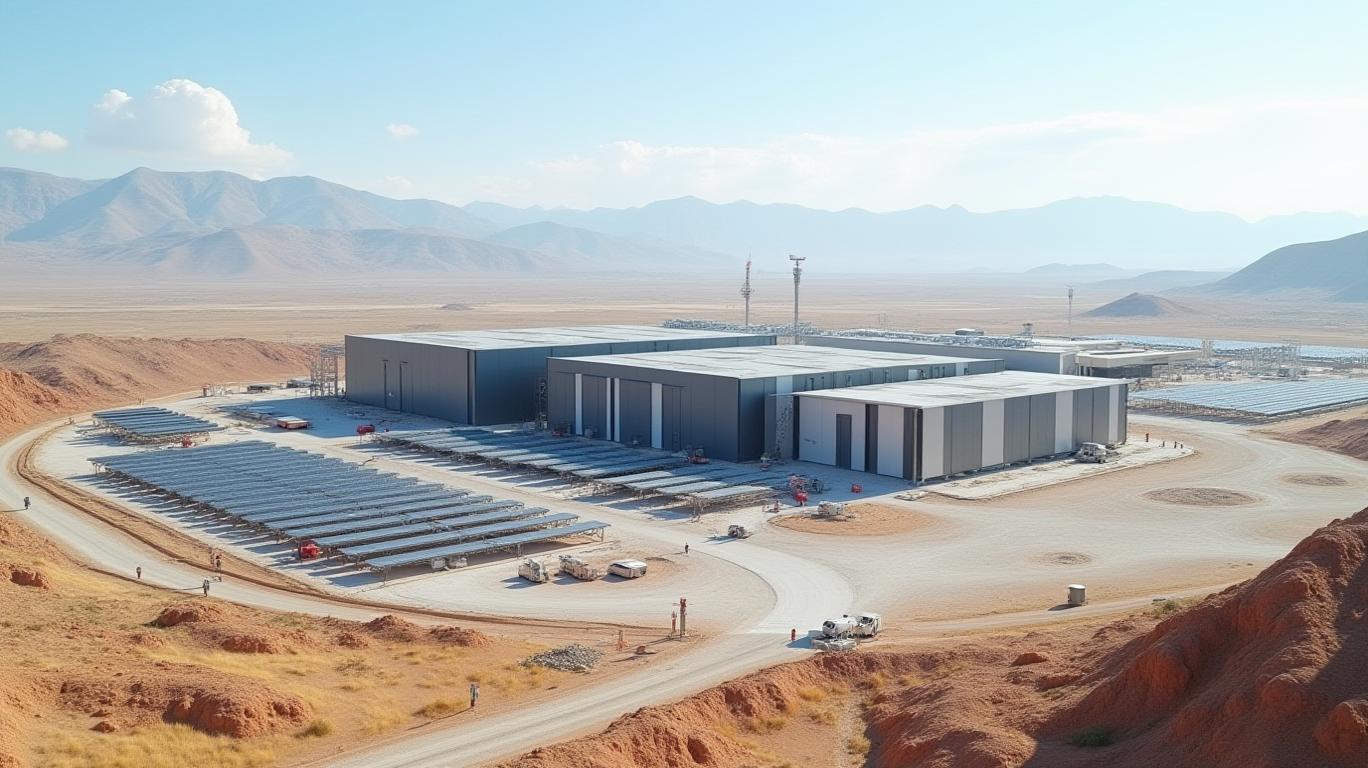
In a significant development for Utah's tech industry, a consortium of banks has agreed to loan $2 billion to build a 100-acre AI data center in the state. This substantial investment underscores the growing demand for AI computing power and the potential economic benefits for Utah. The project, part of the Stargate Project initiative, is expected to generate up to 1,500 jobs and contribute to the state's high-tech ecosystem.
The Stargate Project, involving OpenAI, OracleORCL--, SoftBank, and MGX, plans to invest $500 billion in AI infrastructure in the US over four years, with $100 billion to be deployed immediately. This includes building data centers, which could bring significant economic benefits to Utah. The San Francisco Fed's roundtable discussion with Utah tech executives highlighted the potential for job creation in the tech sector, with estimates of up to 1,500 jobs from data centers alone.
The Provo City Planning Commission meeting discussed the potential economic advantages of data centers, including job creation and increased tax revenue. However, the meeting also raised concerns about the environmental impact of data centers, including emissions and their potential effects on air quality, particularly in relation to the airport's operations. The article about data centers in Virginia highlighted concerns from residents about the economic, social, and environmental health of their communities, including the strain on the power grid, water usage, and air quality.
To balance these concerns, Utah should consider implementing stricter zoning rules for data centers, as Fairfax County in Virginia did, to ensure they are built in appropriate locations and have minimal impact on surrounding communities. Utah should also encourage data center operators to adopt sustainable practices, such as using renewable energy sources and implementing energy-efficient technologies, to minimize their environmental footprint. The state should work with local governments and communities to address concerns about the impact of data centers on the power grid, water usage, and air quality, and develop strategies to mitigate these effects.
In conclusion, the $2 billion investment in the 100-acre AI data center in Utah represents a significant opportunity for the state to capitalize on the growing demand for AI computing power. By addressing environmental and social concerns and implementing responsible policies, Utah can maximize the economic and job creation benefits of data centers while minimizing their environmental and social impacts.
In a significant development for Utah's tech industry, a consortium of banks has agreed to loan $2 billion to build a 100-acre AI data center in the state. This substantial investment underscores the growing demand for AI computing power and the potential economic benefits for Utah. The project, part of the Stargate Project initiative, is expected to generate up to 1,500 jobs and contribute to the state's high-tech ecosystem.
The Stargate Project, involving OpenAI, OracleORCL--, SoftBank, and MGX, plans to invest $500 billion in AI infrastructure in the US over four years, with $100 billion to be deployed immediately. This includes building data centers, which could bring significant economic benefits to Utah. The San Francisco Fed's roundtable discussion with Utah tech executives highlighted the potential for job creation in the tech sector, with estimates of up to 1,500 jobs from data centers alone.
The Provo City Planning Commission meeting discussed the potential economic advantages of data centers, including job creation and increased tax revenue. However, the meeting also raised concerns about the environmental impact of data centers, including emissions and their potential effects on air quality, particularly in relation to the airport's operations. The article about data centers in Virginia highlighted concerns from residents about the economic, social, and environmental health of their communities, including the strain on the power grid, water usage, and air quality.
To balance these concerns, Utah should consider implementing stricter zoning rules for data centers, as Fairfax County in Virginia did, to ensure they are built in appropriate locations and have minimal impact on surrounding communities. Utah should also encourage data center operators to adopt sustainable practices, such as using renewable energy sources and implementing energy-efficient technologies, to minimize their environmental footprint. The state should work with local governments and communities to address concerns about the impact of data centers on the power grid, water usage, and air quality, and develop strategies to mitigate these effects.
In conclusion, the $2 billion investment in the 100-acre AI data center in Utah represents a significant opportunity for the state to capitalize on the growing demand for AI computing power. By addressing environmental and social concerns and implementing responsible policies, Utah can maximize the economic and job creation benefits of data centers while minimizing their environmental and social impacts.



Divulgación editorial y transparencia de la IA: Ainvest News utiliza tecnología avanzada de Modelos de Lenguaje Largo (LLM) para sintetizar y analizar datos de mercado en tiempo real. Para garantizar los más altos estándares de integridad, cada artículo se somete a un riguroso proceso de verificación con participación humana.
Mientras la IA asiste en el procesamiento de datos y la redacción inicial, un miembro editorial profesional de Ainvest revisa, verifica y aprueba de forma independiente todo el contenido para garantizar su precisión y cumplimiento con los estándares editoriales de Ainvest Fintech Inc. Esta supervisión humana está diseñada para mitigar las alucinaciones de la IA y garantizar el contexto financiero.
Advertencia sobre inversiones: Este contenido se proporciona únicamente con fines informativos y no constituye asesoramiento profesional de inversión, legal o financiero. Los mercados conllevan riesgos inherentes. Se recomienda a los usuarios que realicen una investigación independiente o consulten a un asesor financiero certificado antes de tomar cualquier decisión. Ainvest Fintech Inc. se exime de toda responsabilidad por las acciones tomadas con base en esta información. ¿Encontró un error? Reportar un problema


SOBRE NOSOTROS
Nuestra historiaAutores de noticiasBase de conocimientosPolítica de privacidadTérmino de usoDescargo de responsabilidad de corretaje de tercerosTérminos de uso de AIMEDivulgaciones de riesgos de AInvest AICarrerasCONTÁCTENOS
Email: support@ainvest.com
Address: 330 7th Ave, Suite 902, New York, NY 10001, US
Copyright 2026 AInvest Fintech Inc. All rights reserved.


Comentarios
Aún no hay comentarios