
Bankruptcies Drive Retail Store Closures in 2024
Generado por agente de IAEli Grant
lunes, 23 de diciembre de 2024, 4:35 pm ET1 min de lectura
CVS--
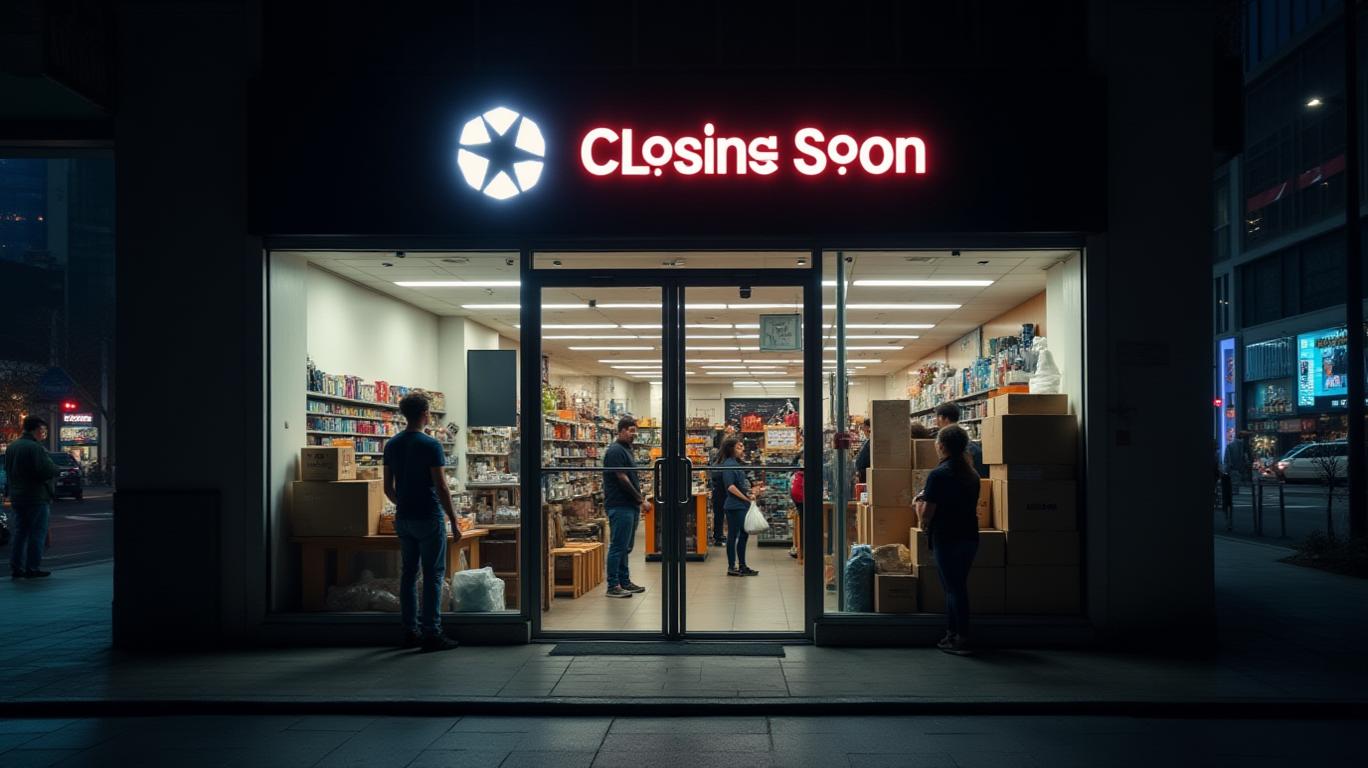
The retail landscape in 2024 has been marked by a surge in store closures, with bankruptcies leading the charge. According to CoreSight data, U.S. retailers announced over 7,100 store closures through November, a 69% increase from the same period in 2023. This trend was driven by 45 retail bankruptcies, compared to 25 in 2023. Inflation-weary shoppers seeking sales and deals, coupled with retailers' struggles to adapt to changing consumer preferences and competitive threats, have contributed to this alarming trend.
Inflation and economic uncertainty have significantly impacted consumer spending habits, leading to a shift in retail dynamics. Discount chains and drugstores have been particularly hard hit, with pharmacy closures creating deserts across regions in the U.S. where residents lack nearby drugstores for prescriptions and healthcare products. Meanwhile, retailers like Walmart and Target have found ways to appeal to financially strapped shoppers, while others, such as Family Dollar and CVS Health, have struggled to adapt.
The rise of e-commerce and omnichannel retail has reshaped consumer preferences, contributing to the surge in store closures. According to a Deloitte report, 81% of C&R CEOs recognize sales and marketing as a key investment area for generative AI, highlighting the importance of digital innovation in retail strategies. However, the shift towards online shopping has not diminished the relevance of physical stores, with 84% of retailers planning to maintain a mix of stores in the next 3-5 years (WTWCO). This indicates that consumers value the integration of digital and traditional retail practices, driving retailers to adapt and blend these channels effectively.
To cater to evolving consumer demands and expectations, retailers have focused on improving customer experience, leveraging technology, and enhancing sustainability. According to a Deloitte report, 52% of retailers prioritized improving customer experience, aiming to boost shopping enjoyment and convenience. Meanwhile, 48% of respondents in a WTW survey expected AI to revolutionize retail operations. Additionally, 63% of C&R CEOs in a KPMG survey were confident in meeting net-zero goals by 2030, indicating a shift towards sustainability. These strategic adaptations reflect retailers' efforts to cater to evolving consumer demands and expectations.
The retail landscape in 2024 is undeniably challenging, with over 7,100 store closures and a 69% increase in bankruptcies compared to 2023. Inflation, economic uncertainty, and the rise of e-commerce have contributed to this trend. However, retailers' focus on improving customer experience, leveraging technology, and enhancing sustainability offers hope for a more resilient and adaptable industry in the years to come.
R--
TGT--
WMT--
The retail landscape in 2024 has been marked by a surge in store closures, with bankruptcies leading the charge. According to CoreSight data, U.S. retailers announced over 7,100 store closures through November, a 69% increase from the same period in 2023. This trend was driven by 45 retail bankruptcies, compared to 25 in 2023. Inflation-weary shoppers seeking sales and deals, coupled with retailers' struggles to adapt to changing consumer preferences and competitive threats, have contributed to this alarming trend.
Inflation and economic uncertainty have significantly impacted consumer spending habits, leading to a shift in retail dynamics. Discount chains and drugstores have been particularly hard hit, with pharmacy closures creating deserts across regions in the U.S. where residents lack nearby drugstores for prescriptions and healthcare products. Meanwhile, retailers like Walmart and Target have found ways to appeal to financially strapped shoppers, while others, such as Family Dollar and CVS Health, have struggled to adapt.
The rise of e-commerce and omnichannel retail has reshaped consumer preferences, contributing to the surge in store closures. According to a Deloitte report, 81% of C&R CEOs recognize sales and marketing as a key investment area for generative AI, highlighting the importance of digital innovation in retail strategies. However, the shift towards online shopping has not diminished the relevance of physical stores, with 84% of retailers planning to maintain a mix of stores in the next 3-5 years (WTWCO). This indicates that consumers value the integration of digital and traditional retail practices, driving retailers to adapt and blend these channels effectively.
To cater to evolving consumer demands and expectations, retailers have focused on improving customer experience, leveraging technology, and enhancing sustainability. According to a Deloitte report, 52% of retailers prioritized improving customer experience, aiming to boost shopping enjoyment and convenience. Meanwhile, 48% of respondents in a WTW survey expected AI to revolutionize retail operations. Additionally, 63% of C&R CEOs in a KPMG survey were confident in meeting net-zero goals by 2030, indicating a shift towards sustainability. These strategic adaptations reflect retailers' efforts to cater to evolving consumer demands and expectations.
The retail landscape in 2024 is undeniably challenging, with over 7,100 store closures and a 69% increase in bankruptcies compared to 2023. Inflation, economic uncertainty, and the rise of e-commerce have contributed to this trend. However, retailers' focus on improving customer experience, leveraging technology, and enhancing sustainability offers hope for a more resilient and adaptable industry in the years to come.

Divulgación editorial y transparencia de la IA: Ainvest News utiliza tecnología avanzada de Modelos de Lenguaje Largo (LLM) para sintetizar y analizar datos de mercado en tiempo real. Para garantizar los más altos estándares de integridad, cada artículo se somete a un riguroso proceso de verificación con participación humana.
Mientras la IA asiste en el procesamiento de datos y la redacción inicial, un miembro editorial profesional de Ainvest revisa, verifica y aprueba de forma independiente todo el contenido para garantizar su precisión y cumplimiento con los estándares editoriales de Ainvest Fintech Inc. Esta supervisión humana está diseñada para mitigar las alucinaciones de la IA y garantizar el contexto financiero.
Advertencia sobre inversiones: Este contenido se proporciona únicamente con fines informativos y no constituye asesoramiento profesional de inversión, legal o financiero. Los mercados conllevan riesgos inherentes. Se recomienda a los usuarios que realicen una investigación independiente o consulten a un asesor financiero certificado antes de tomar cualquier decisión. Ainvest Fintech Inc. se exime de toda responsabilidad por las acciones tomadas con base en esta información. ¿Encontró un error? Reportar un problema


SOBRE NOSOTROS
Nuestra historiaAutores de noticiasBase de conocimientosPolítica de privacidadTérmino de usoDescargo de responsabilidad de corretaje de tercerosTérminos de uso de AIMEDivulgaciones de riesgos de AInvest AICarrerasCONTÁCTENOS
Email: support@ainvest.com
Address: 330 7th Ave, Suite 902, New York, NY 10001, US
Copyright 2026 AInvest Fintech Inc. All rights reserved.


Comentarios
Aún no hay comentarios