
Bank of Canada Cuts Interest Rate: Navigating Uncertainty Amidst Tariff Threats
Generado por agente de IAWesley Park
miércoles, 11 de diciembre de 2024, 1:22 pm ET1 min de lectura
AAPL--
The Bank of Canada (BoC) has reduced its target for the overnight rate by half a percentage point to 3.25%, signaling a shift in monetary policy amidst a slowing economy and rising uncertainty. This move comes as the central bank acknowledges the potential risks posed by the incoming U.S. administration's tariff threats. As investors navigate this changing landscape, understanding the implications of these developments is crucial for making informed decisions.
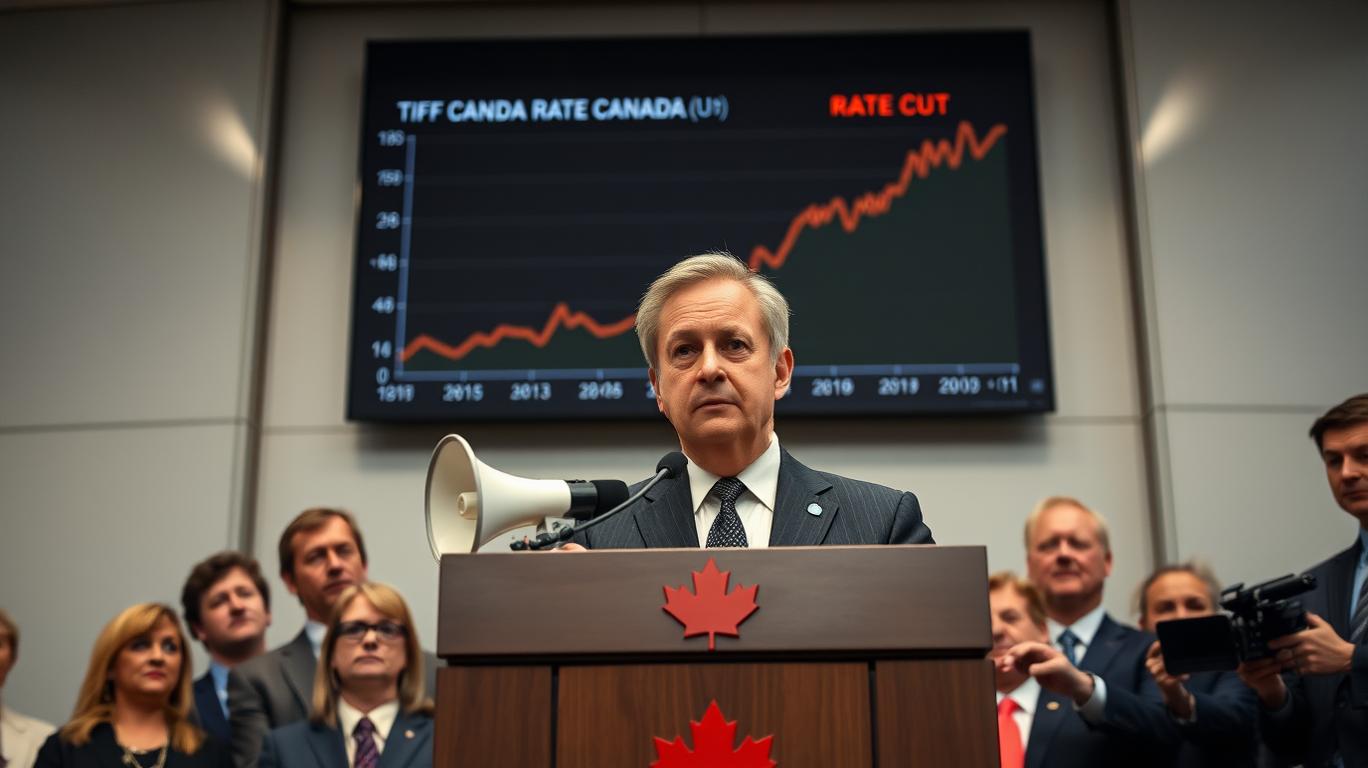
The BoC's decision to lower interest rates is a response to a slowing economy, with GDP growth undershooting projections in the third quarter. Consumer spending and housing activity have picked up, but business investment, inventories, and exports have dragged on growth. The unemployment rate has also risen, reaching 6.8% in November. While inflation has returned to the BoC's 2% target, the central bank remains cautious about the economic outlook, citing potential tariffs and other policy measures as sources of uncertainty.
The threat of tariffs from the incoming U.S. administration has added a layer of uncertainty to the Canadian economy. A 25% tariff on U.S. imports could shrink Canada's GDP by 2.6% (CAD $78 billion), costing Canadians approximately $1,900 per person annually. Key industries such as energy, autos, mining, and pharmaceuticals would be hit hardest, potentially pushing Canada's economy into recession by mid-2025.
Given these challenges, investors should adopt a balanced portfolio approach, combining growth and value stocks to navigate the current market. While the BoC's rate cut may boost consumer spending and stimulate economic growth, it also signals a slowing economy and adds uncertainty. Businesses may be cautious about making long-term investment decisions, and consumers may balance spending and saving more carefully.

Maintaining a balanced portfolio allows investors to capitalize on opportunities in various sectors while managing risk. For instance, energy stocks and industrials may benefit from the current economic environment, while technology stocks may face headwinds due to rising interest rates. However, it is essential not to hastily sell best-of-breed companies like Amazon and Apple during market downturns, as these companies have proven management and the capability to adapt to challenges.
In conclusion, the Bank of Canada's interest rate cut and the threat of tariffs from the incoming U.S. administration highlight the importance of a balanced portfolio approach for investors. As the Canadian economy navigates uncertainty, understanding the implications of these developments and maintaining a well-diversified portfolio will be crucial for long-term success.
AMZN--
The Bank of Canada (BoC) has reduced its target for the overnight rate by half a percentage point to 3.25%, signaling a shift in monetary policy amidst a slowing economy and rising uncertainty. This move comes as the central bank acknowledges the potential risks posed by the incoming U.S. administration's tariff threats. As investors navigate this changing landscape, understanding the implications of these developments is crucial for making informed decisions.
The BoC's decision to lower interest rates is a response to a slowing economy, with GDP growth undershooting projections in the third quarter. Consumer spending and housing activity have picked up, but business investment, inventories, and exports have dragged on growth. The unemployment rate has also risen, reaching 6.8% in November. While inflation has returned to the BoC's 2% target, the central bank remains cautious about the economic outlook, citing potential tariffs and other policy measures as sources of uncertainty.
The threat of tariffs from the incoming U.S. administration has added a layer of uncertainty to the Canadian economy. A 25% tariff on U.S. imports could shrink Canada's GDP by 2.6% (CAD $78 billion), costing Canadians approximately $1,900 per person annually. Key industries such as energy, autos, mining, and pharmaceuticals would be hit hardest, potentially pushing Canada's economy into recession by mid-2025.
Given these challenges, investors should adopt a balanced portfolio approach, combining growth and value stocks to navigate the current market. While the BoC's rate cut may boost consumer spending and stimulate economic growth, it also signals a slowing economy and adds uncertainty. Businesses may be cautious about making long-term investment decisions, and consumers may balance spending and saving more carefully.
Maintaining a balanced portfolio allows investors to capitalize on opportunities in various sectors while managing risk. For instance, energy stocks and industrials may benefit from the current economic environment, while technology stocks may face headwinds due to rising interest rates. However, it is essential not to hastily sell best-of-breed companies like Amazon and Apple during market downturns, as these companies have proven management and the capability to adapt to challenges.
In conclusion, the Bank of Canada's interest rate cut and the threat of tariffs from the incoming U.S. administration highlight the importance of a balanced portfolio approach for investors. As the Canadian economy navigates uncertainty, understanding the implications of these developments and maintaining a well-diversified portfolio will be crucial for long-term success.

Divulgación editorial y transparencia de la IA: Ainvest News utiliza tecnología avanzada de Modelos de Lenguaje Largo (LLM) para sintetizar y analizar datos de mercado en tiempo real. Para garantizar los más altos estándares de integridad, cada artículo se somete a un riguroso proceso de verificación con participación humana.
Mientras la IA asiste en el procesamiento de datos y la redacción inicial, un miembro editorial profesional de Ainvest revisa, verifica y aprueba de forma independiente todo el contenido para garantizar su precisión y cumplimiento con los estándares editoriales de Ainvest Fintech Inc. Esta supervisión humana está diseñada para mitigar las alucinaciones de la IA y garantizar el contexto financiero.
Advertencia sobre inversiones: Este contenido se proporciona únicamente con fines informativos y no constituye asesoramiento profesional de inversión, legal o financiero. Los mercados conllevan riesgos inherentes. Se recomienda a los usuarios que realicen una investigación independiente o consulten a un asesor financiero certificado antes de tomar cualquier decisión. Ainvest Fintech Inc. se exime de toda responsabilidad por las acciones tomadas con base en esta información. ¿Encontró un error? Reportar un problema


SOBRE NOSOTROS
Nuestra historiaAutores de noticiasBase de conocimientosPolítica de privacidadTérmino de usoDescargo de responsabilidad de corretaje de tercerosTérminos de uso de AIMEDivulgaciones de riesgos de AInvest AICarrerasCONTÁCTENOS
Email: support@ainvest.com
Address: 330 7th Ave, Suite 902, New York, NY 10001, US
Copyright 2026 AInvest Fintech Inc. All rights reserved.


Comentarios
Aún no hay comentarios