
Bank of Israel's Rate Cut Looms: How the Shekel's Surge and Cooling Inflation Are Reshaping Markets
The Bank of Israel (BoI) is teetering on the edge of a pivotal shift. With the shekel surging 6.1% against major currencies, core inflation dipping to 2.5%, and geopolitical risks receding post-Iran war, the central bank faces mounting pressure to cut its 4.5% benchmark rate by September 2025. This decision could unleash a wave of opportunities in bonds, equities, and currency markets—if investors position strategically. Let's dissect the catalysts, risks, and plays.
The Catalysts: A Perfect Storm for Rate Cuts
1. The Shekel's Unstoppable Rally
The Israeli shekel (ILS) has become a global standout, appreciating 6% against the U.S. dollar and 5.4% against the euro since early 2025. Geopolitical stability—driven by reduced Iranian aggression—and Israel's tech-driven current account surplus have lured foreign capital.
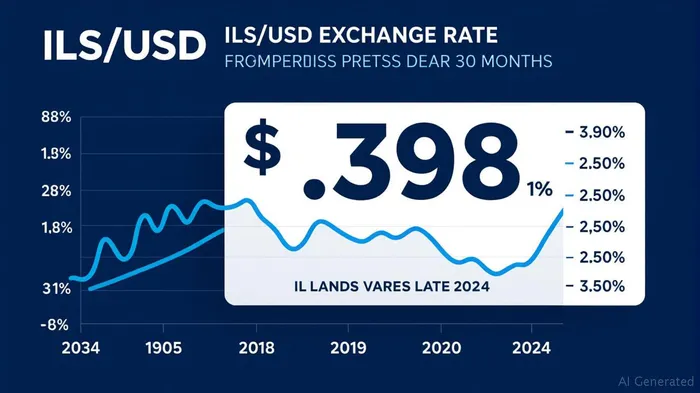
This strength isn't just a currency story—it's an inflation buster. A stronger shekel lowers import prices, directly easing cost-of-living pressures. The BoI's key inflation targetTGT-- (1%-3%) is now in sight, removing a key barrier to rate cuts.
2. Inflation Cools to the Target Range
Core inflation (excluding government interventions) hit 2.5% in May 2025, comfortably within the BoI's target. Even headline inflation, once inflated by VAT hikes, has moderated to 3.4%—a downward trend set to continue. This gives policymakers the green light to pivot.
3. Geopolitical Stability Boosts Confidence
The U.S.-backed strikes against Iran's nuclear facilities and subsequent ceasefire have slashed Israel's risk premium. Investors now price in a lower likelihood of prolonged regional conflict, driving capital into Israeli bonds and equities.
Implications: Winners and Losers in a Rate-Cutting Cycle
Bonds: The Safe Haven to Exploit
With rates poised to drop, long-dated Israeli government bonds are ripe for gains. Yields on 10-year bonds have already fallen to 4.2% from 4.7% in early 2025—a trend that will accelerate as the BoI eases.
Play: Overweight ILS-denominated bonds. Funds like the iShares MSCIMSCI-- Israel UCITS ETF (EISL) or direct purchases of Israel's 10-year notes offer asymmetric upside as yields compress.
Equities: Navigate the Sector Split
- Winners: Domestic-facing sectors like healthcare, real estate, and consumer staples will thrive as lower rates boost spending and reduce borrowing costs.
- Losers: Export-heavy industries (tech, defense, agriculture) may suffer as a stronger shekel erodes profit margins. For instance, companies like Teva PharmaceuticalTEVA-- (TEVA) or Israel Chemicals (ICL) could face headwinds.
Play: Focus on undervalued domestic stocks. Consider iShares MSCI Israel CappedEIS-- ETF (EISL) or individual picks in healthcare like Maccabi Healthcare (MCCB.TA).
Currency: A Two-Way Street
While the shekel's appreciation is a tailwind for importers and bondholders, it poses risks to external competitiveness. However, a BoI rate cut could temper its ascent, creating a sweet spot for dollar/shekel pairs.
Risks to the Narrative
- Labor Market Tightness: A 2.8% unemployment rate and wage growth above 4% could reignite inflation, forcing the BoI to pause.
- Gaza Conflict Spillover: Renewed violence in Gaza or Lebanon could reintroduce risk premiums, spooking investors.
- Global Rate Divergence: If the U.S. Federal Reserve hikes rates further, it could weaken the shekel's allure despite local cuts.
Final Verdict: Position for the Pivot
The BoI's September rate cut is all but inevitable, fueled by a confluence of factors that even the central bank can't ignore. Investors should:
1. Buy ILS bonds to capture yield declines.
2. Target undervalued domestic equities while avoiding export-reliant firms.
3. Monitor geopolitical headlines—even a small escalation could upend the narrative.
The shekel's strength and cooling inflation aren't just data points—they're the pillars of a new era for Israeli markets. Move decisively, but stay vigilant.
Data as of June 19, 2025.







Comentarios
Aún no hay comentarios