
Bangladesh's LNG Surge: A Golden Opportunity in Asia's Energy Crossroads
Bangladesh is fast becoming the linchpin of Asia’s emerging LNG spot market, and investors who recognize this shift could reap substantial rewards. With its LNG imports set to grow exponentially over the next decade, the country’s energy needs are unlocking a strategic investment window in a region hungry for affordable energy. Here’s why now is the time to act.
The Bangladesh LNG Story: Growth on Demand
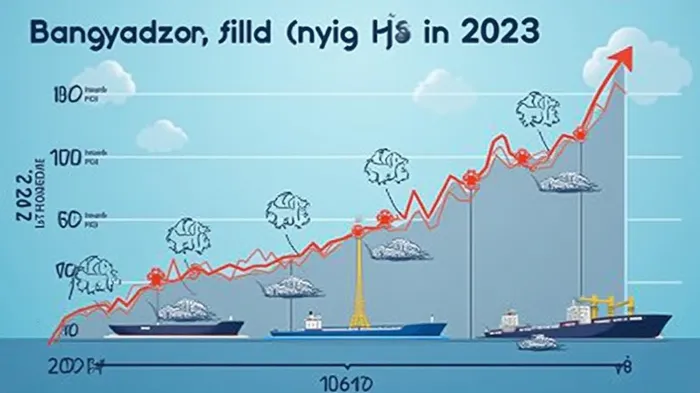
Bangladesh’s LNG imports have surged from 56 cargoes in 2020 to 79 in 2023, with spot purchases jumping from 12 to 23 cargoes over the same period. Projections show this trajectory will accelerate, with imports expected to more than triple by 2030—a 350% increase from 2020 levels. The catalyst? Declining domestic gas production, which now meets just 40% of total demand, forcing the country to rely increasingly on imported LNG for power generation and industry.
The interim government’s reforms are accelerating this shift. By expanding the list of approved LNG suppliers to 33 firms, including giants like ShellSHEL-- and BP, Bangladesh is dismantling a spot market previously dominated by traders like Vitol. This opening to global suppliers aims to boost competition and lower costs—a move that could unlock $65–69 billion in annual savings if the 15% VAT on LNG is scrapped.
Why the Spot Market Matters
Bangladesh’s spot LNG purchases are the key to its energy strategy. Unlike long-term contracts, which supply a fixed 56 cargoes annually, spot purchases allow flexibility to capitalize on price dips. In 2024, spot imports are expected to rise to 24 cargoes, but could climb further if prices drop below Bangladesh’s $20/MMBtu target—a level it hasn’t seen since before the Russia-Ukraine war.
This shift is part of a broader Asian LNG renaissance. While European demand for LNG has plateaued post-2025, Asian markets like Bangladesh, India, and Southeast Asia are stepping into the breach. By 2030, Asia’s LNG imports could absorb 60% of global supply, with Bangladesh alone accounting for a growing slice.
The Investment Play: Spot the Opportunity
Investors should focus on two key angles:
- LNG Suppliers and Traders
- Shell, BP, and Aramco: Already approved to supply Bangladesh, these firms stand to benefit as the country’s LNG needs grow. Their global reach and access to flexible supplies position them to capitalize on rising demand.
Spot Trading Firms: Companies like Gunvor and Excelerate Energy, despite losing their monopolies, could still thrive by competing in Bangladesh’s more transparent tender process.
LNG Infrastructure and Logistics
- LNG Terminal Operators: Bangladesh’s planned infrastructure expansion—$16.5 billion in gas projects by 2030—will require terminals, pipelines, and storage. Companies with a footprint in South Asia, like Sempra Energy, could see demand for their expertise.
- Shipping and Logistics: The rise in spot cargoes means more ships and logistical support. CMA CGM or Mitsui OSK Lines, with LNG tanker expertise, are prime candidates.
Risks? Yes, but Manageable
Critics point to high LNG prices and global supply tightness until 2025–2026. However, once new liquefaction projects (like the U.S. Sabine Pass expansion) come online, prices could drop to $25/MMBtu or lower—sweetening the deal for Bangladesh. Meanwhile, the country’s push to eliminate LNG VAT and streamline tenders reduces regulatory risks.
The Bottom Line: Act Now, or Miss the Wave
Bangladesh’s LNG demand isn’t just a regional story—it’s a global market pivot. With Asia’s energy needs outpacing supply and spot markets becoming more liquid, investors who bet on Bangladesh’s LNG boom could see outsized returns. The question isn’t whether this trend will continue—it’s already here. The question is: Are you positioned to profit?
Don’t wait. The LNG train is leaving the station—and the seats are filling fast.





Comentarios
Aún no hay comentarios