
Bandar Abbas Blast: A Geopolitical and Economic Crossroads for Global Markets
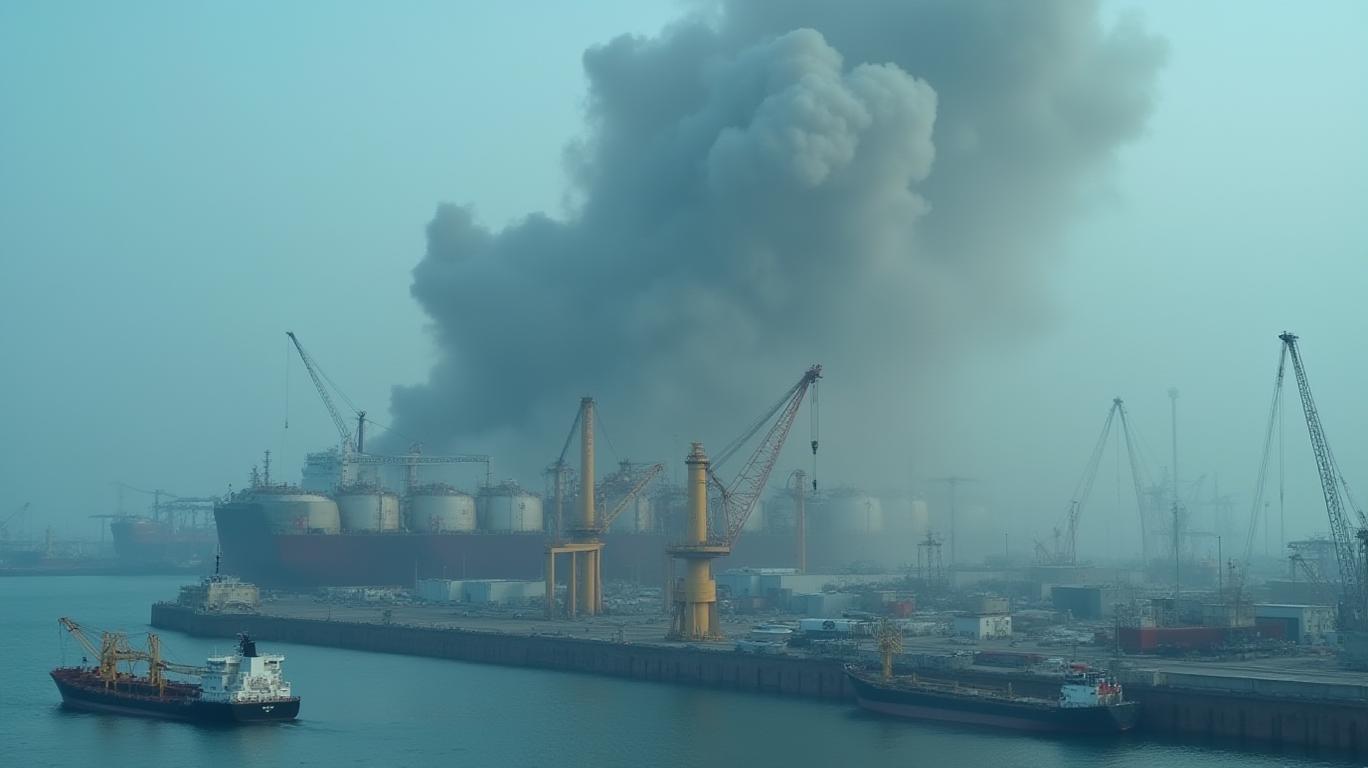
On April 26, 2025, a catastrophic explosion at Iran’s Bandar Abbas port—a critical hub for global oil trade—left at least four dead and over 500 injured. The blast, suspected to involve hazardous materials stored in containers, has reignited concerns about geopolitical instability, infrastructure vulnerabilities, and the fragility of global supply chains. For investors, this incident underscores a pivotal moment: how will the fallout from Bandar Abbas ripple through markets, and what does it mean for energy, sanctions, and regional stability?
The Geopolitical Crossroads
Bandar Abbas sits on the Strait of Hormuz, a chokepoint for roughly 20% of the world’s traded oil. The port itself handles 80 million tons of cargo annually, including petrochemicals and container shipments. While Iranian officials have ruled out sabotage for now, the timing is ominous: the explosion occurred during U.S.-Iran nuclear negotiations in Oman, which aim to revive the 2015 JCPOA.
The incident echoes past tensions in the region, such as the 2020 cyberattack on Bandar Abbas (attributed to Israel) and the 2019 drone strikes on Saudi Aramco facilities. These events often triggered short-term spikes in oil prices, with Brent crude jumping by 5-10% in response to such geopolitical shocks.
Why This Matters Now:
- Sanctions-Driven Decay: Years of U.S. sanctions have crippled Iran’s infrastructure. The Bandar Abbas explosion highlights systemic risks from aging equipment and poor maintenance—vulnerabilities that could worsen as Tehran faces $15 billion in annual oil revenue losses due to sanctions.
- Sabotage Speculation: While officials initially dismissed sabotage, the port’s strategic role in Iran’s military logistics (e.g., arms shipments to Hezbollah) makes it a plausible target for adversaries.
Economic Implications: Beyond the Port
The suspension of Bandar Abbas operations could disrupt 2 million barrels per day (mb/d) of oil exports through the Strait of Hormuz, a figure that accounts for 2% of global supply. Even a temporary halt could tighten markets, especially with OECD oil inventories at 5-year lows (as of Q1 2025).
Sectoral Risks:
1. Shipping Costs: Delays at Bandar Abbas could push up Baltic Dry Index (BDI) values, which track shipping rates. A 2020 disruption in the Strait of Hormuz briefly drove the BDI 15% higher.
2. Iran’s Economy: The port’s closure would exacerbate Iran’s economic woes. With inflation at 45% and a currency (rial) losing 30% of its value in 2024, further instability could force Tehran to accelerate nuclear negotiations—or escalate tensions.
3. Regional Trade: Bandar Abbas is a transit hub for Afghan and Central Asian goods. Disruptions here could spill over into Turkish and Pakistani stock markets, which rely on regional trade corridors.
Market Reactions: What to Watch
- Oil Prices: A prolonged disruption could push Brent crude past $90/barrel—a threshold that historically triggers hedging by energy companies and speculative trading.
- Sanctions Relief Bets: Investors in Iranian energy stocks (e.g., shares in National Iranian Oil Company, though not listed on global markets) or sanctions-softening ETFs (e.g., emerging markets funds) might see volatility.
- Cybersecurity Plays: The 2020 cyberattack on Bandar Abbas boosted demand for cybersecurity firms like CrowdStrike (CRWD) and Palo Alto Networks (PANW). A repeat incident could do the same.
Conclusion: Navigating the Uncertainty
The Bandar Abbas explosion is a stress test for global markets. While the immediate cause remains unclear, the incident has already exposed three critical truths:
- Geopolitical Risk Premiums Are Back: The port’s role in the Strait of Hormuz means even minor disruptions could add $2-5/barrel to oil prices due to fear-driven speculation.
- Infrastructure Decay Costs: Iran’s inability to maintain its ports (despite $10 billion allocated to energy infrastructure in 2024) highlights systemic risks that could deter foreign investment even if sanctions are lifted.
- Negotiations Under Pressure: The blast adds urgency to U.S.-Iran talks. A deal could ease tensions and stabilize markets, but failure risks a renewed cycle of sanctions and sabotage.
For investors, the path forward is clear: monitor geopolitical developments closely, hedge against oil volatility, and avoid overexposure to Iranian assets until clarity emerges. The Strait of Hormuz remains a geopolitical tinderbox—and Bandar Abbas has just struck a match.
In the end, the Bandar Abbas explosion isn’t just a tragic accident—it’s a warning shot for markets. The question now is whether investors will heed it.







Comentarios
Aún no hay comentarios