
Baltimore Orioles Owner: Bring Back the Salary Cap, Business Community Hopeful Under Trump
Generado por agente de IAWesley Park
miércoles, 22 de enero de 2025, 1:11 pm ET2 min de lectura
FARM--
As the 2023 Major League Baseball (MLB) season kicks off, one prominent team owner has reignited the debate over the implementation of a salary cap in the league. Peter Angelos, the majority owner of the Baltimore Orioles, has expressed his desire to bring back the salary cap, a move that could significantly alter the competitive landscape and financial dynamics of the sport. With the business community expressing optimism under the incoming Trump administration, the timing of Angelos' proposal raises intriguing questions about the future of MLB's economic structure.
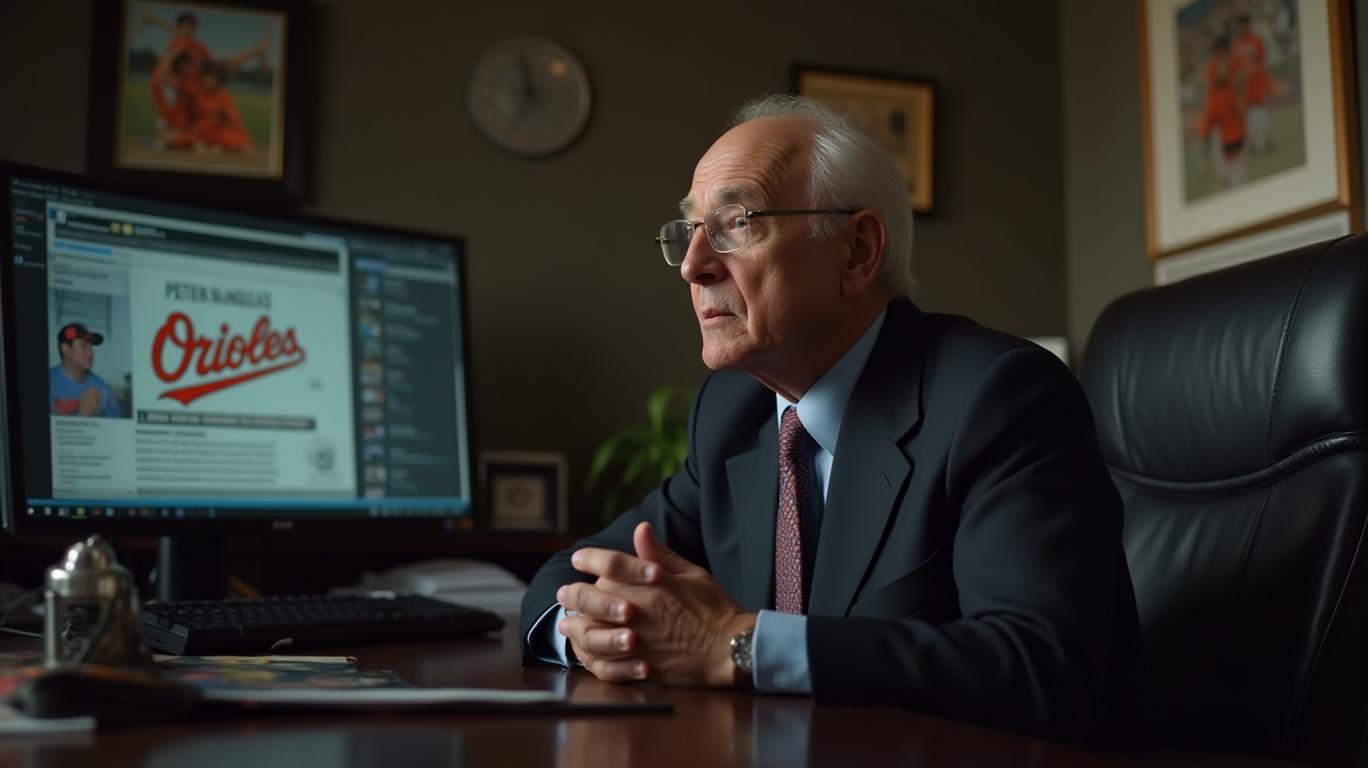
The absence of a salary cap in MLB has led to substantial disparities in team payrolls, with wealthy franchises able to invest heavily in top talent while smaller market teams struggle to keep pace. In 2022, the difference in payrolls between the top and bottom teams reached a record $226 million, and this season, it has grown even larger, with a gap of nearly $299 million between the New York Mets and Oakland Athletics. This growing divide has raised concerns about the league's financial sustainability and competitive balance.
Angelos' proposal to reinstate a salary cap could help to level the playing field and promote more competitive balance among teams. However, the introduction of a salary cap would also have significant implications for player salaries, free agency, and team strategies for acquiring talent. A salary cap would limit the amount teams can spend on player salaries, which could lead to a decrease in average player salaries and a reduction in the number of high-value contracts. Free agency would be affected as well, with teams having less flexibility to sign high-priced free agents. Players might have to accept lower salaries or sign with teams that have more cap space.
For example, in the 2021-2022 offseason, the New York Mets signed Max Scherzer to a three-year, $130 million contract. If a salary cap were in place, such a deal might not have been possible, or the Mets would have had to make adjustments elsewhere in their roster to accommodate it.
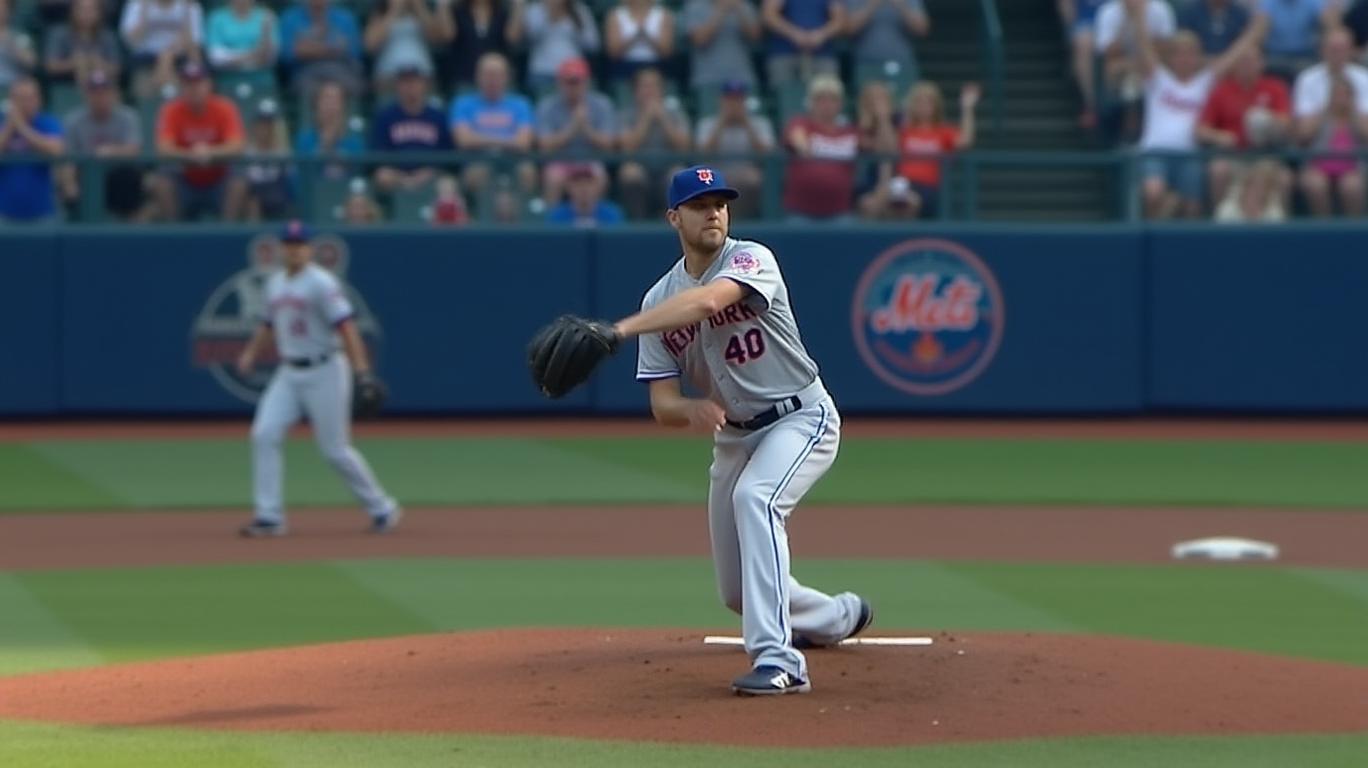
The introduction of a salary cap could also lead to a shift in team strategies for acquiring talent. Teams might focus more on developing young talent through their farm systems, as this would be a more cost-effective way to acquire talent. Teams might also become more active in the trade market, as trading players allows them to manage their payroll and avoid exceeding the salary cap.
However, the implementation of a salary cap in MLB would likely face resistance from the MLB Players' Association (MLBPA), which has consistently opposed the introduction of a salary cap. The MLBPA has successfully negotiated collective bargaining agreements (CBAs) that protect player salaries and overall earnings instead of restricting them, as a salary cap would. The introduction of a salary cap would require renegotiating CBAs, potentially leading to contentious negotiations between the MLBPA and MLB ownership.
In conclusion, the proposal by Baltimore Orioles owner Peter Angelos to bring back the salary cap in MLB could have significant implications for the competitive balance, financial dynamics, and collective bargaining agreements in the sport. While a salary cap could help to promote more competitive balance and increase fan interest, it could also lead to a decline in the quality of play and a decrease in revenue generation. The MLBPA would likely push back against a salary cap, potentially leading to contentious negotiations during CBA talks. As the business community expresses optimism under the incoming Trump administration, the future of MLB's economic structure remains uncertain, with the potential for significant changes on the horizon.
GPCR--
As the 2023 Major League Baseball (MLB) season kicks off, one prominent team owner has reignited the debate over the implementation of a salary cap in the league. Peter Angelos, the majority owner of the Baltimore Orioles, has expressed his desire to bring back the salary cap, a move that could significantly alter the competitive landscape and financial dynamics of the sport. With the business community expressing optimism under the incoming Trump administration, the timing of Angelos' proposal raises intriguing questions about the future of MLB's economic structure.
The absence of a salary cap in MLB has led to substantial disparities in team payrolls, with wealthy franchises able to invest heavily in top talent while smaller market teams struggle to keep pace. In 2022, the difference in payrolls between the top and bottom teams reached a record $226 million, and this season, it has grown even larger, with a gap of nearly $299 million between the New York Mets and Oakland Athletics. This growing divide has raised concerns about the league's financial sustainability and competitive balance.
Angelos' proposal to reinstate a salary cap could help to level the playing field and promote more competitive balance among teams. However, the introduction of a salary cap would also have significant implications for player salaries, free agency, and team strategies for acquiring talent. A salary cap would limit the amount teams can spend on player salaries, which could lead to a decrease in average player salaries and a reduction in the number of high-value contracts. Free agency would be affected as well, with teams having less flexibility to sign high-priced free agents. Players might have to accept lower salaries or sign with teams that have more cap space.
For example, in the 2021-2022 offseason, the New York Mets signed Max Scherzer to a three-year, $130 million contract. If a salary cap were in place, such a deal might not have been possible, or the Mets would have had to make adjustments elsewhere in their roster to accommodate it.
The introduction of a salary cap could also lead to a shift in team strategies for acquiring talent. Teams might focus more on developing young talent through their farm systems, as this would be a more cost-effective way to acquire talent. Teams might also become more active in the trade market, as trading players allows them to manage their payroll and avoid exceeding the salary cap.
However, the implementation of a salary cap in MLB would likely face resistance from the MLB Players' Association (MLBPA), which has consistently opposed the introduction of a salary cap. The MLBPA has successfully negotiated collective bargaining agreements (CBAs) that protect player salaries and overall earnings instead of restricting them, as a salary cap would. The introduction of a salary cap would require renegotiating CBAs, potentially leading to contentious negotiations between the MLBPA and MLB ownership.
In conclusion, the proposal by Baltimore Orioles owner Peter Angelos to bring back the salary cap in MLB could have significant implications for the competitive balance, financial dynamics, and collective bargaining agreements in the sport. While a salary cap could help to promote more competitive balance and increase fan interest, it could also lead to a decline in the quality of play and a decrease in revenue generation. The MLBPA would likely push back against a salary cap, potentially leading to contentious negotiations during CBA talks. As the business community expresses optimism under the incoming Trump administration, the future of MLB's economic structure remains uncertain, with the potential for significant changes on the horizon.

Divulgación editorial y transparencia de la IA: Ainvest News utiliza tecnología avanzada de Modelos de Lenguaje Largo (LLM) para sintetizar y analizar datos de mercado en tiempo real. Para garantizar los más altos estándares de integridad, cada artículo se somete a un riguroso proceso de verificación con participación humana.
Mientras la IA asiste en el procesamiento de datos y la redacción inicial, un miembro editorial profesional de Ainvest revisa, verifica y aprueba de forma independiente todo el contenido para garantizar su precisión y cumplimiento con los estándares editoriales de Ainvest Fintech Inc. Esta supervisión humana está diseñada para mitigar las alucinaciones de la IA y garantizar el contexto financiero.
Advertencia sobre inversiones: Este contenido se proporciona únicamente con fines informativos y no constituye asesoramiento profesional de inversión, legal o financiero. Los mercados conllevan riesgos inherentes. Se recomienda a los usuarios que realicen una investigación independiente o consulten a un asesor financiero certificado antes de tomar cualquier decisión. Ainvest Fintech Inc. se exime de toda responsabilidad por las acciones tomadas con base en esta información. ¿Encontró un error? Reportar un problema


SOBRE NOSOTROS
Nuestra historiaAutores de noticiasBase de conocimientosPolítica de privacidadTérmino de usoDescargo de responsabilidad de corretaje de tercerosTérminos de uso de AIMEDivulgaciones de riesgos de AInvest AICarrerasCONTÁCTENOS
Email: support@ainvest.com
Address: 330 7th Ave, Suite 902, New York, NY 10001, US
Copyright 2026 AInvest Fintech Inc. All rights reserved.


Comentarios
Aún no hay comentarios