
The Balkans' Energy Vulnerability Amid US Sanctions on Russian Energy Giants
Energy Dependency: A Double-Edged Sword
Balkan countries remain heavily dependent on Russian energy, with TurkStream-the pipeline running under the Black Sea-delivering 13.8 billion cubic meters (bcm) of gas in the first nine months of 2025, a 7% increase year-on-year. Hungary, the EU's largest importer of Russian fossil fuels, spent EUR 393 million on Russian energy in September 2025 alone, while Serbia sources approximately 80% of its gas needs from Russia. This dependency is not merely economic but strategic: TurkStream's route through Bulgaria, Serbia, and Hungary creates a physical and political lifeline to Moscow.
The U.S. sanctions, however, have begun to fray this lifeline. Serbia's state-owned oil company, NIS-majority-owned by Gazprom Neft-has seen its crude oil supplies via the Janaf pipeline disrupted, pushing its refineries toward collapse. Similarly, Bulgaria's nationalization of Lukoil's Burgas refinery underscores the fragility of relying on Russian infrastructure. These disruptions highlight a critical risk for investors: Balkan energy systems are not only exposed to supply shocks but also to the reputational and legal risks of continued ties to sanctioned entities.
Energy Transition: A Race Against the Clock
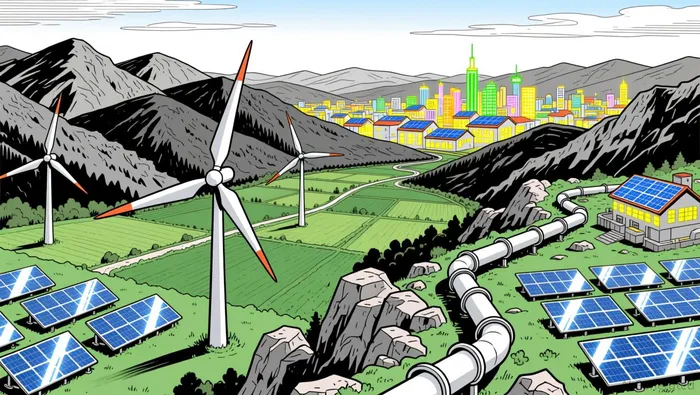
The Balkans' energy transition is at a crossroads. While the region boasts untapped solar and wind potential, its governments have paradoxically prioritized fossil fuel infrastructure. Over EUR 3.5 billion in gas projects, including 2,551 km of pipelines and expanded gas plant capacity, are slated for completion by 2025. This "gas lock-in" threatens to strand assets and deepen dependency on imports, contradicting EU climate goals and investor demands for sustainable returns.
Yet, pockets of progress exist. Serbia's 2023 renewable energy auction-oversubscribed for 400 MW of wind and 50 MW of solar-demonstrates latent demand. Similarly, Bulgaria's nationalization of its Lukoil refinery has freed it to pivot toward cleaner energy. The challenge lies in scaling these initiatives. Limited transmission capacity, entrenched coal interests, and underdeveloped electricity markets hinder renewable integration. For investors, the key is to balance short-term stability (e.g., gas interconnectors like the Bulgaria–Serbia pipeline) with long-term bets on solar, wind, and grid-enhancing technologies according to analysis.
Geopolitical Realignment: New Alliances, New Risks
As U.S. sanctions erode Russian influence, Balkan nations are recalibrating their alliances. Serbia's diplomatic campaign to secure a fifth sanctions waiver for NIS-a six-month extension granted in July 2025-reveals its precarious balancing act between Moscow and Washington. Meanwhile, non-traditional partners like China and Turkey are stepping in.
Chinese investments, such as Zijin Mining's EUR 2 billion renewable energy project in Serbia, signal a shift from low-tech manufacturing to higher-value infrastructure. Turkey, too, is expanding its footprint, with Turkish firms investing in Albania's solar and wind projects according to reports. These partnerships offer Balkan countries diversified funding and technology but also raise concerns about debt sustainability and strategic overreach. For investors, the risk-reward calculus hinges on the stability of these alliances and their alignment with EU standards.
Investment Opportunities: Navigating the Maze
Despite the risks, the Balkans present compelling opportunities for those who can navigate their complexities.
1. Renewable Energy Auctions: Serbia's oversubscribed 2023 auction and similar initiatives in Croatia and Bosnia-Herzegovina suggest strong developer interest.
2. Grid Modernization: With 20,000 MW of renewable projects awaiting grid connections, investments in transmission upgrades and battery storage could yield high returns according to analysis.
3. Strategic Partnerships: Collaborations between Western firms (e.g., Schneider Electric's AI-driven maintenance solutions) and Balkan governments could accelerate decarbonization while mitigating geopolitical risks.
However, investors must remain wary of stranded assets in gas infrastructure and the political volatility of sanctions waivers. The EU's EUR billions in energy transition funding could mitigate these risks, but alignment with Brussels' climate mandates is non-negotiable.
Conclusion: A Region at a Crossroads
The Balkans' energy landscape is a microcosm of global energy transitions: fraught with geopolitical tensions, economic fragility, and the promise of innovation. For investors, the path forward requires a nuanced approach-balancing short-term stability with long-term sustainability, and leveraging new alliances without overreliance on any single partner. As U.S. sanctions reshape the region's energy map, the Balkans stand at a crossroads: one path leads to deeper dependency and vulnerability; the other, to a diversified, resilient, and green future. The choice, and the opportunity, is now.







Comentarios
Aún no hay comentarios