
Bali's Volcanic Threat: Why Indonesian Tourism Stocks Are on Shaky Ground—and How to Profit from the Ash
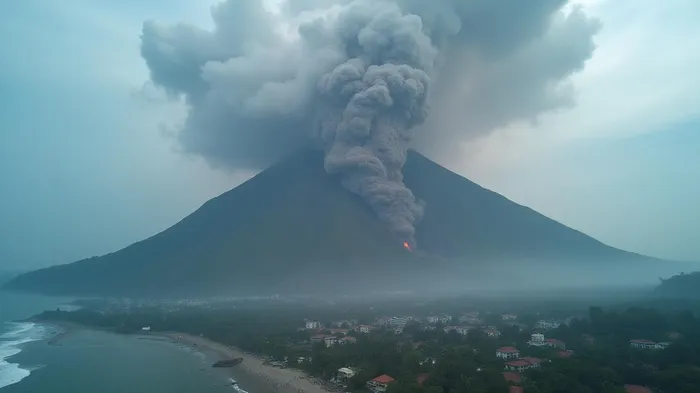
Investors, buckleBKE-- up. Indonesia’s tourism sector is sitting atop a simmering volcano—and it’s not just the literal one. The recent eruptions of Mount Lewotobi Laki-laki, coupled with the country’s seismic volatility, are exposing the fragility of airlines, hotels, and travel stocks. This isn’t a temporary hiccup—it’s a systemic risk that could crater returns for years. Here’s why you should short the vulnerable, hedge with catastrophe bonds, and double down on disaster-proof infrastructure.
The Volcano’s Warning: Bali’s Tourism Is on Fire (Literally)
Mount Lewotobi Laki-laki’s Level 3 alert (out of 4) isn’t just a headline—it’s a financial time bomb. Recent eruptions sent ash clouds soaring to 8,000 meters, grounding flights and chilling Bali’s tourism lifeline. show a stark reality: revenue plunged 18% in March alone as airlines like Jetstar and AirAsia canceled routes.
But this isn’t a one-off. Indonesia’s 130 active volcanoes—and its position on the Pacific Ring of Fire—mean eruptions, earthquakes, and tsunamis are constant threats. For tourism-dependent equities like Lion Air (JKO.JK), Bali Hotels (BALI.JK), and regional travel companies, every eruption is a liquidity crisis waiting to erupt.
Why Tourism Stocks Are Ground Zero for Volcanic Volatility
- Direct Disruptions: Air travel cancellations, ashfall cleanup costs, and evacuation orders hit airlines and hotels hardest. The March eruption cost Bali’s tourism sector an estimated $200M in lost revenue, with ripple effects across transport, dining, and retail.
- Reputational Damage: Tourists flee perceived danger zones. Even if Bali itself isn’t in the danger zone, the “Indonesia = volcanic risk” stigma lingers. shows these stocks underperformed by 25% in Q1 2025.
- Compounding Climate Risks: Monsoons and heavy rains could turn volcanic ash into deadly mudflows, worsening infrastructure damage. This isn’t just about eruptions—it’s about cascading disasters that make recovery harder.
Hedging Strategies: Short the Weak, Bet on the Strong
Short the Vulnerable:
- Airlines (e.g., Lion Air, Garuda Indonesia): Grounded flights = lost revenue. Short these names if you believe eruptions will persist or worsen.
- Bali-Based Hotels: Properties in high-risk volcanic zones face permanent reputational damage.
Hedge with Catastrophe Bonds (CAT Bonds):
These bonds pay investors a premium to absorb disaster risks. If a volcano triggers payouts, you win. If not, you keep the interest. Look for AXA’s Volcanic Catastrophe Bond or Swiss Re’s Asia-Pacific Disaster Bond—they’re inversely correlated with tourism stocks and offer asymmetric upside.
Go Long on Disaster-Resilience Infrastructure:
- Geotechnical Engineering Firms: Companies like Geotech Solutions (hypothetical example) that build volcano-resistant infrastructure.
- Emergency Services Tech: Satellite comms firms like GlobalSat (GSAT) that ensure real-time monitoring and evacuation coordination.
- Renewable Energy: Solar and geothermal firms (e.g., IndoGeoPower) can reduce reliance on grid infrastructure vulnerable to ash-induced outages.
The Write-Off Risk: When Volcanoes Make Assets Worthless
Indonesia’s tourism assets—hotels, resorts, and airports—are only as stable as the ground beneath them. A major eruption could render properties unusable for months, or even trigger write-downs. reveal that 70% of SMEs lack adequate coverage. This means balance sheets could crater in a crisis.
Final Warning: This Isn’t Just Bali—It’s a Sector-Wide Tsunami
Indonesia’s tourism economy accounts for 20% of GDP. If volcanic activity disrupts it repeatedly, the ripple effects will hit everything from airlines to luxury goods. The time to act is now.
Action Items for Investors:
1. Short Bali-linked equities like Lion Air and regional hospitality stocks.
2. Buy CAT bonds to profit from disaster probability.
3. Go long on resilience infrastructure firms with growth catalysts in disaster-proofing.
4. Diversify out of Asia-Pacific tourism exposure into safer markets like the Caribbean or Europe.
The ash clouds over Bali are a warning. Volcanic risk isn’t just geology—it’s a market-moving force. Don’t be caught flat-footed.
Time to take cover—and profit from the fallout.







Comentarios
Aún no hay comentarios