
Baby Boomers: The Wild Card in Trump's Stock Rescue Plan
Generado por agente de IAWesley Park
domingo, 23 de marzo de 2025, 9:10 am ET2 min de lectura
NVDA--
Ladies and gentlemen, buckle up! We're diving headfirst into the heart of the market's latest drama. The tech sector just got smacked down by news that Chinese AI startup DeepSeek has developed more efficient AI models that don’t rely on leading chipmakers like NvidiaNVDA--. The Nasdaq Composite fell more than 3%, the S&P 500 dropped almost 1.5%, and Nvidia's shares sank close to 17%. But here's the kicker: baby boomers might just hold the cards to any Trump plan aimed at rescuing stocks from this selloff.
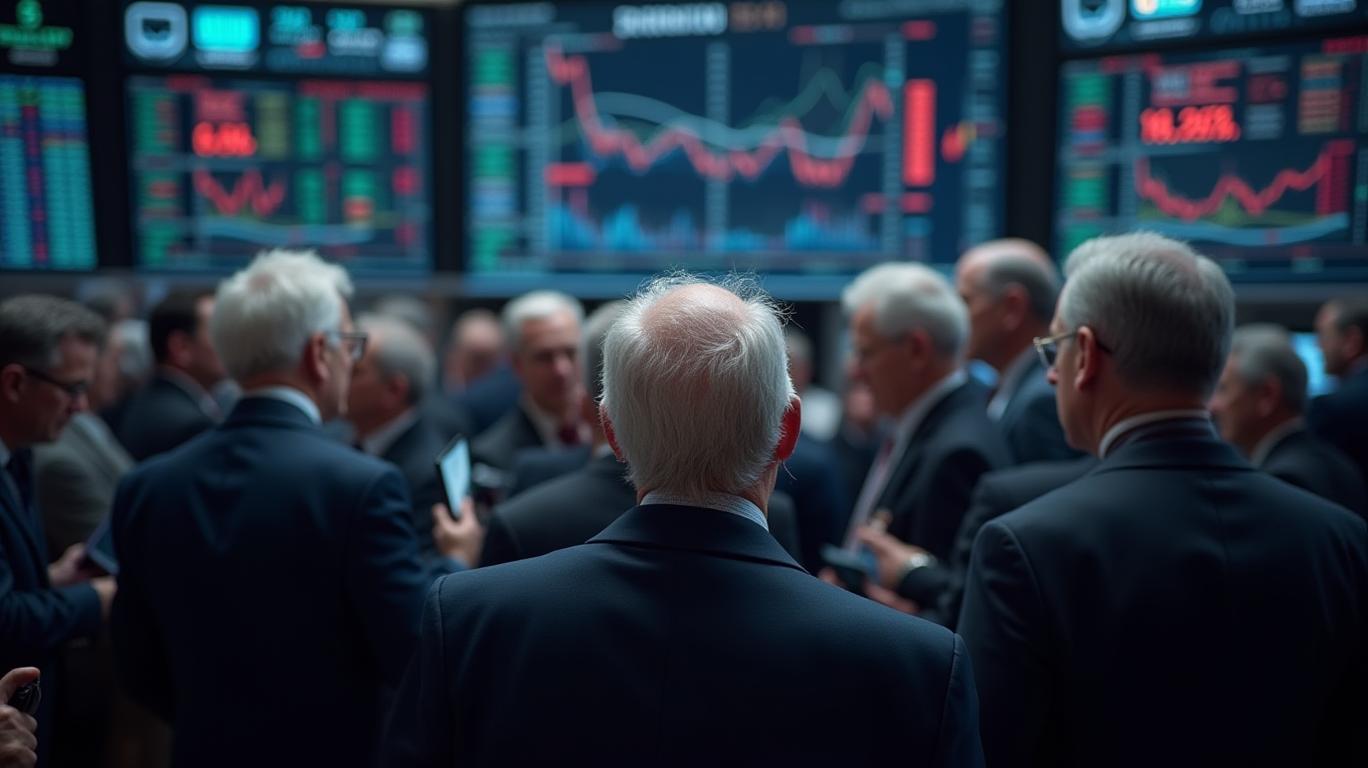
First things first, let's talk about the boomer effect. Baby boomers, born between 1946 and 1964, are a force to be reckoned with. They hold a significant portion of the nation's wealth and their investment decisions can shake the market to its core. According to the 2022 Investopedia Financial Literacy Survey, 62% of baby boomers are already retired, and 23% anticipate retiring soon. These folks are risk-averse, especially as they approach retirement. They prioritize stability and income over growth, which could make them less responsive to aggressive market interventions aimed at boosting stock prices.
Now, let's break it down. If a Trump plan involves fiscal stimulus or tax cuts to encourage spending and investment, baby boomers might be more inclined to save or invest in safer assets like bonds or cash, rather than riskier stocks. This could limit the effectiveness of any plan aimed at rescuing stocks from a selloff. The prolonged presence of baby boomers in the workforce has influenced corporate priorities and market trends. Industries catering to the aging demographic, such as healthcare and medical technology, have thrived. However, the pandemic-induced acceleration of baby boomer retirements has contributed to a U.S. labor shortage, which could impact the effectiveness of any plan that relies on increased labor productivity or consumer spending.
But here's the thing: the aging population poses challenges to social welfare systems, necessitating adjustments to accommodate the growing elderly demographic. This could limit the government's ability to implement large-scale fiscal stimulus or tax cuts without exacerbating budget deficits or increasing the national debt. For instance, if a Trump plan involves significant government spending to rescue stocks, it could face opposition from lawmakers concerned about the long-term fiscal implications, especially given the demographic pressures on social welfare programs.
So, what sectors or industries are likely to benefit the most from baby boomer investment strategies during a market downturn? Healthcare and medical services, real estate, and anti-aging products and medical technology. These sectors are poised for sustained growth due to the increasing demand for healthcare servicesHCSG--, independent living options, and anti-aging products as the baby boomer generation ages.
In summary, the investment behaviors and preferences of baby boomers, characterized by risk aversion and a focus on stability, could limit the effectiveness of any Trump plan aimed at rescuing stocks from a selloff. Additionally, the demographic challenges posed by an aging population could constrain the government's fiscal capacity to implement such a plan. So, stay tuned, folks! The market's a wild ride, and baby boomers are driving the bus.
Ladies and gentlemen, buckle up! We're diving headfirst into the heart of the market's latest drama. The tech sector just got smacked down by news that Chinese AI startup DeepSeek has developed more efficient AI models that don’t rely on leading chipmakers like NvidiaNVDA--. The Nasdaq Composite fell more than 3%, the S&P 500 dropped almost 1.5%, and Nvidia's shares sank close to 17%. But here's the kicker: baby boomers might just hold the cards to any Trump plan aimed at rescuing stocks from this selloff.
First things first, let's talk about the boomer effect. Baby boomers, born between 1946 and 1964, are a force to be reckoned with. They hold a significant portion of the nation's wealth and their investment decisions can shake the market to its core. According to the 2022 Investopedia Financial Literacy Survey, 62% of baby boomers are already retired, and 23% anticipate retiring soon. These folks are risk-averse, especially as they approach retirement. They prioritize stability and income over growth, which could make them less responsive to aggressive market interventions aimed at boosting stock prices.
Now, let's break it down. If a Trump plan involves fiscal stimulus or tax cuts to encourage spending and investment, baby boomers might be more inclined to save or invest in safer assets like bonds or cash, rather than riskier stocks. This could limit the effectiveness of any plan aimed at rescuing stocks from a selloff. The prolonged presence of baby boomers in the workforce has influenced corporate priorities and market trends. Industries catering to the aging demographic, such as healthcare and medical technology, have thrived. However, the pandemic-induced acceleration of baby boomer retirements has contributed to a U.S. labor shortage, which could impact the effectiveness of any plan that relies on increased labor productivity or consumer spending.
But here's the thing: the aging population poses challenges to social welfare systems, necessitating adjustments to accommodate the growing elderly demographic. This could limit the government's ability to implement large-scale fiscal stimulus or tax cuts without exacerbating budget deficits or increasing the national debt. For instance, if a Trump plan involves significant government spending to rescue stocks, it could face opposition from lawmakers concerned about the long-term fiscal implications, especially given the demographic pressures on social welfare programs.
So, what sectors or industries are likely to benefit the most from baby boomer investment strategies during a market downturn? Healthcare and medical services, real estate, and anti-aging products and medical technology. These sectors are poised for sustained growth due to the increasing demand for healthcare servicesHCSG--, independent living options, and anti-aging products as the baby boomer generation ages.
In summary, the investment behaviors and preferences of baby boomers, characterized by risk aversion and a focus on stability, could limit the effectiveness of any Trump plan aimed at rescuing stocks from a selloff. Additionally, the demographic challenges posed by an aging population could constrain the government's fiscal capacity to implement such a plan. So, stay tuned, folks! The market's a wild ride, and baby boomers are driving the bus.

Divulgación editorial y transparencia de la IA: Ainvest News utiliza tecnología avanzada de Modelos de Lenguaje Largo (LLM) para sintetizar y analizar datos de mercado en tiempo real. Para garantizar los más altos estándares de integridad, cada artículo se somete a un riguroso proceso de verificación con participación humana.
Mientras la IA asiste en el procesamiento de datos y la redacción inicial, un miembro editorial profesional de Ainvest revisa, verifica y aprueba de forma independiente todo el contenido para garantizar su precisión y cumplimiento con los estándares editoriales de Ainvest Fintech Inc. Esta supervisión humana está diseñada para mitigar las alucinaciones de la IA y garantizar el contexto financiero.
Advertencia sobre inversiones: Este contenido se proporciona únicamente con fines informativos y no constituye asesoramiento profesional de inversión, legal o financiero. Los mercados conllevan riesgos inherentes. Se recomienda a los usuarios que realicen una investigación independiente o consulten a un asesor financiero certificado antes de tomar cualquier decisión. Ainvest Fintech Inc. se exime de toda responsabilidad por las acciones tomadas con base en esta información. ¿Encontró un error? Reportar un problema


SOBRE NOSOTROS
Nuestra historiaAutores de noticiasBase de conocimientosPolítica de privacidadTérmino de usoDescargo de responsabilidad de corretaje de tercerosTérminos de uso de AIMEDivulgaciones de riesgos de AInvest AICarrerasCONTÁCTENOS
Email: support@ainvest.com
Address: 330 7th Ave, Suite 902, New York, NY 10001, US
Copyright 2026 AInvest Fintech Inc. All rights reserved.


Comentarios
Aún no hay comentarios