
Babcock & Wilcox and Denham Capital: Pioneering the Energy Transition for Data Centers
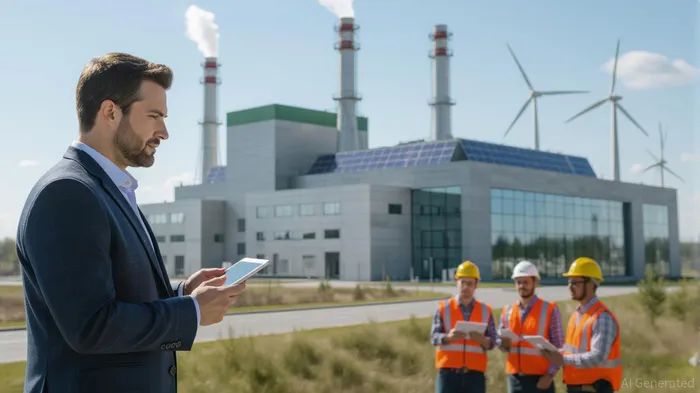
The energy transition is no longer a distant aspiration but an urgent imperative, driven by the insatiable demand for power from data centers and the AI revolution. Babcock & Wilcox (B&W) and Denham Capital have emerged as unlikely yet strategic allies in this race, leveraging their combined expertise to convert aging coal-fired power plants into natural gas facilities tailored to meet the surging needs of hyperscalers and data center developers. This partnership is emblematic of a broader trend: strategic alliances are becoming the linchpin of energy infrastructure modernization, bridging the gap between immediate demand and the long-term shift to renewables.
The Power Gap and the Role of Natural Gas
According to a report by Babcock & Wilcox, U.S. and European data centers will require 65 gigawatts of power between 2025 and 2028—45 gigawatts more than current capacity can support[1]. This deficit is exacerbated by the five-year timeline required to interconnect new power projects to the grid, a lag that cannot be ignored[1]. Natural gas, often maligned in climate discussions, is reemerging as a pragmatic solution. It offers a lower-carbon alternative to coal while providing the reliability and scalability needed for critical infrastructure like data centers. B&W and Denham's strategy—repurposing existing coal plants—accelerates deployment by utilizing pre-existing grid connections, bypassing the lengthy permitting and construction cycles of greenfield projects[1].
Justin DeAngelis, Global Head of Sustainable Infrastructure at Denham Capital, has called this initiative a “strategic imperative,” emphasizing that data center developers cannot afford to wait for renewable energy projects to mature[2]. Kenneth Young, B&W's CEO, echoed this sentiment, noting that underutilized coal plants can be transformed into “affordable and reliable power hubs” for hyperscalers[2]. The partnership's focus on natural gas is not a rejection of decarbonization but a pragmatic step to stabilize the grid while renewables scale.
Strategic Partnerships as Catalysts for Modernization
The B&W-Denham collaboration is part of a growing pattern of public-private partnerships (PPPs) reshaping energy infrastructure. Research from ScienceDirect highlights how PPPs in low-carbon, climate-resilient infrastructure enable governments to leverage private capital and expertise, while private entities benefit from policy support and long-term contracts[3]. This model is particularly effective in energy transitions, where upfront costs and regulatory complexity often deter standalone initiatives.
Denham's plan to establish a dedicated portfolio company for this initiative underscores the financial viability of such partnerships[1]. By compartmentalizing risk and aligning incentives, the firm can attract investors focused on sustainable infrastructure. Similarly, B&W's engineering expertise ensures that the conversion process is both technically sound and economically efficient. The result is a win-win: utilities avoid stranded assets, and data centers secure the power they need to sustain growth.
Case studies from DTE EnergyDTE-- and AltaGas further validate this approach. DTE's conversion of the Belle River coal plant to natural gas, for instance, aligns with Michigan's 2040 decarbonization goals while accommodating 3–4 gigawatts of data center load by 2025[4]. AltaGas's coal-to-gas projects, meanwhile, generate stable cash flows while reducing emissions, proving that profitability and sustainability can coexist[4]. These examples reinforce the idea that strategic partnerships are not just about filling a power gap—they're about redefining the economics of the energy transition.
Geopolitical and Environmental Considerations
While the environmental benefits of natural gas over coal are clear, critics argue that it prolongs reliance on fossil fuels. However, the partnership's alignment with global decarbonization goals—such as the EU's Green Deal and the U.S. Inflation Reduction Act—suggests a transitional, not permanent, role for gas[5]. Moreover, the integration of carbon capture and storage (CCS) technologies in future phases could further reduce emissions, as noted in Deloitte's analysis of grid modernization[5].
Geopolitical dynamics also play a role. As energy markets become increasingly fragmented, partnerships like B&W and Denham's help insulate developers from supply chain disruptions and regulatory shifts. By focusing on repurposed infrastructure in the U.S. and Europe, the collaboration mitigates exposure to volatile international energy markets, a concern amplified by recent geopolitical tensions[5].
The Road Ahead
The success of B&W and Denham's initiative hinges on its ability to scale. If the model proves effective, it could inspire similar conversions globally, particularly in regions where data center growth outpaces renewable energy deployment. However, challenges remain: public skepticism about gas as a “bridge fuel” and the need for continued policy support to incentivize low-carbon transitions.
For investors, the partnership represents a compelling intersection of necessity and innovation. As Deloitte's 2025 Power and Utilities Industry Outlook notes, utilities and tech firms are increasingly collaborating to integrate AI-driven grid technologies and energy storage systems[6]. B&W and Denham's focus on infrastructure modernization positions them at the forefront of this evolution, offering both immediate returns and long-term alignment with decarbonization targets.
Conclusion
The energy transition is no longer a choice but a necessity, and strategic partnerships are proving to be its most effective accelerants. Babcock & Wilcox and Denham Capital's collaboration exemplifies how combining technical expertise, financial acumen, and policy foresight can address urgent power shortages while laying the groundwork for a cleaner future. As data centers become the backbone of the digital economy, their ability to secure reliable, sustainable energy will define the next era of technological progress—and B&W and Denham are leading the charge.







Comentarios
Aún no hay comentarios