
Avoiding High-Cost Debt Traps: Strategic Expenses to Never Charge on a Credit Card in 2026
In 2026, the average credit card interest rate remains stubbornly high, hovering around 19.83% in early December 2025 and projected to stay above 20% for much of the year. Coupled with fees such as late payment charges (up to $41 per missed payment) and annual fees for premium cards (sometimes exceeding $795), the financial burden on cardholders is significant. Behavioral finance principles and strategic financial planning are now more critical than ever to avoid the pitfalls of high-cost debt.
The Behavioral Finance Lens: Why Certain Expenses Are Risky
Behavioral finance reveals how psychological biases-such as present bias and overconfidence-can lead to poor credit card decisions. Present bias, for instance, drives individuals to prioritize immediate gratification over long-term consequences, making them more likely to charge discretionary or high-fee expenses. For example, cash advances, which often carry APRs exceeding 30% and additional fees, are frequently taken out for urgent needs but compound debt rapidly. Similarly, gambling and lottery purchases, often treated as cash advances by issuers, exacerbate debt cycles due to their high-risk, high-cost nature.
The holiday season, in particular, becomes a hotspot for debt traps. A Yahoo Finance report highlights how Americans plan to carry $1,600 in holiday credit card debt into 2026, driven by emotional spending and the illusion of "buy now, pay later." This underscores the need for disciplined financial planning to counteract such behavioral tendencies.
Expenses to Avoid Charging on Credit Cards in 2026
Cash Advances and Gambling
Cash advances are among the most expensive forms of borrowing, with APRs often surpassing 30% and fees of up to 5% of the amount withdrawn. Gambling-related purchases, similarly, are frequently classified as cash advances, compounding the risk of debt accumulation.High-Surcharge Expenses
Certain utility or service bills incur surcharges of 2% or more when paid with a credit card. These fees erode the value of the payment, making cash or direct bank transfers a more cost-effective option.Monthly Rent or Mortgage Payments
While some credit cards offer rewards for such payments, the processing fees (typically 2–3%) often outweigh the benefits. Unless the rewards are substantial, it's wiser to use traditional payment methods.Large Purchases That Max Out Credit Limits
Charging large items that consume a significant portion of available credit can harm credit scores due to high credit utilization ratios. This also increases the risk of overspending and prolonged debt.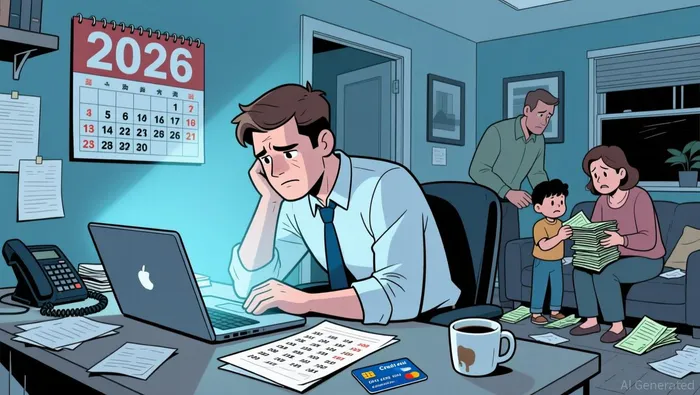
- Medical Bills
Unexpected medical expenses, if not paid in full, can spiral into high-interest debt. A Bankrate analysis notes that medical bills are often unaffordable for those relying on credit cards, especially with APRs above 20%.
Financial Planning Strategies for High-Interest Environments
To mitigate these risks, experts recommend a combination of behavioral and structural strategies:
- Debt Repayment Methods: The "avalanche" method (prioritizing high-interest debt) minimizes total interest paid, while the "snowball" method (focusing on small balances) builds psychological momentum according to financial experts.
- Balance Transfer Offers: A 0% APR introductory period on balance transfer cards can provide temporary relief, but users must avoid new debt during the promotional period according to financial advisors.
- Budgeting and Automation: Automating savings and debt payments reduces reliance on manual discipline. A Yahoo Finance report emphasizes that 60% of Americans who automate payments avoid late fees.
- Emergency Funds: Even small emergency savings (e.g., $500–$1,000) can prevent reliance on credit cards for unexpected expenses according to financial experts.
Conclusion
In 2026, the combination of high interest rates and behavioral vulnerabilities makes strategic financial planning essential. By avoiding high-fee expenses and adopting disciplined repayment strategies, consumers can navigate the credit card landscape without falling into costly debt traps. As behavioral finance reminds us, the key lies in aligning short-term actions with long-term financial goals.







Comentarios
Aún no hay comentarios