
Aviva's Bid for Direct Line: A Strategic Move or Overreach?
Generado por agente de IAEli Grant
jueves, 12 de diciembre de 2024, 9:46 am ET1 min de lectura
STRM--
Aviva plc, the UK-based insurance giant, has made headlines with its £3.3 billion takeover bid for Direct Line Insurance Group Plc. The proposed acquisition, representing a 58% premium to Direct Line's closing price, has sparked debate among investors and industry experts about its strategic fit and potential synergies. This article explores the implications of Aviva's bid and the factors driving its strategic vision.
Aviva's acquisition of Direct Line aligns with its long-term strategic goals and growth plans. By expanding its market share in the UK insurance sector and diversifying its product offerings, Aviva aims to enhance its competitive position. The proposed acquisition, valued at £3.3 billion, reflects Aviva's confidence in the potential synergies and value creation. However, Direct Line's rejection of the offer suggests that it believes the company is worth more.
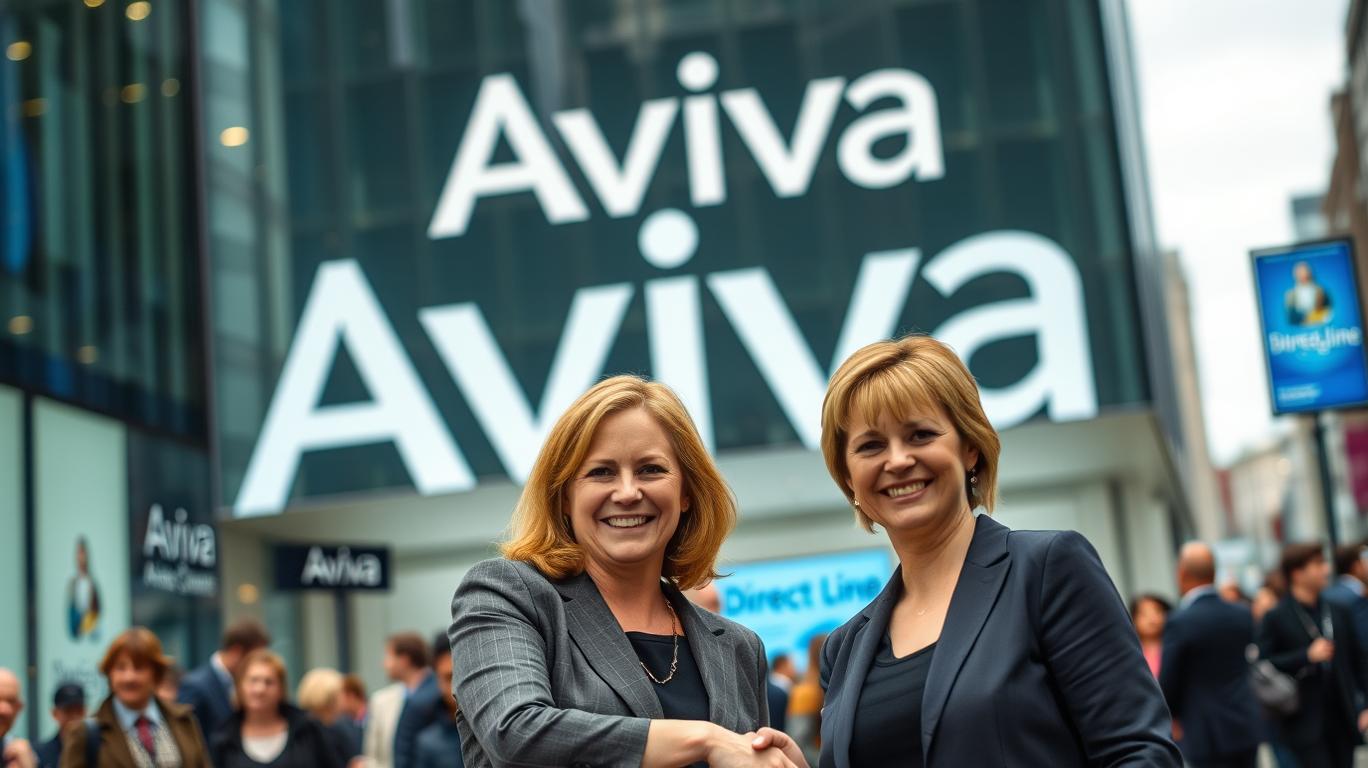
The proposed acquisition could yield significant synergies and cost savings for Aviva. By combining their operations, Aviva could potentially achieve economies of scale, streamline processes, and reduce overhead costs. For instance, Aviva could consolidate IT systems, reduce duplicate functions, and leverage Direct Line's distribution channels to cross-sell products. Additionally, Aviva could benefit from Direct Line's expertise in digital transformation, which could help Aviva enhance its digital capabilities and improve customer experience.
However, the exact synergies and cost savings will depend on the integration strategy and the ability to execute the merger effectively. Aviva's offer of 250 pence per share, a 58% premium, reflects its confidence in these synergies. Nevertheless, Direct Line's rejection of the offer indicates that it may be seeking a higher valuation or has alternative plans for growth.
In conclusion, Aviva's bid for Direct Line represents a strategic move to expand its market share and diversify its product offerings. While the proposed acquisition could yield significant synergies and cost savings, the ultimate success of the deal will depend on the integration strategy and the ability to execute the merger effectively. As the situation unfolds, investors and industry experts will be watching closely to see if Aviva's bid is a strategic move or an overreach.
Aviva plc, the UK-based insurance giant, has made headlines with its £3.3 billion takeover bid for Direct Line Insurance Group Plc. The proposed acquisition, representing a 58% premium to Direct Line's closing price, has sparked debate among investors and industry experts about its strategic fit and potential synergies. This article explores the implications of Aviva's bid and the factors driving its strategic vision.
Aviva's acquisition of Direct Line aligns with its long-term strategic goals and growth plans. By expanding its market share in the UK insurance sector and diversifying its product offerings, Aviva aims to enhance its competitive position. The proposed acquisition, valued at £3.3 billion, reflects Aviva's confidence in the potential synergies and value creation. However, Direct Line's rejection of the offer suggests that it believes the company is worth more.
The proposed acquisition could yield significant synergies and cost savings for Aviva. By combining their operations, Aviva could potentially achieve economies of scale, streamline processes, and reduce overhead costs. For instance, Aviva could consolidate IT systems, reduce duplicate functions, and leverage Direct Line's distribution channels to cross-sell products. Additionally, Aviva could benefit from Direct Line's expertise in digital transformation, which could help Aviva enhance its digital capabilities and improve customer experience.
However, the exact synergies and cost savings will depend on the integration strategy and the ability to execute the merger effectively. Aviva's offer of 250 pence per share, a 58% premium, reflects its confidence in these synergies. Nevertheless, Direct Line's rejection of the offer indicates that it may be seeking a higher valuation or has alternative plans for growth.
In conclusion, Aviva's bid for Direct Line represents a strategic move to expand its market share and diversify its product offerings. While the proposed acquisition could yield significant synergies and cost savings, the ultimate success of the deal will depend on the integration strategy and the ability to execute the merger effectively. As the situation unfolds, investors and industry experts will be watching closely to see if Aviva's bid is a strategic move or an overreach.

Divulgación editorial y transparencia de la IA: Ainvest News utiliza tecnología avanzada de Modelos de Lenguaje Largo (LLM) para sintetizar y analizar datos de mercado en tiempo real. Para garantizar los más altos estándares de integridad, cada artículo se somete a un riguroso proceso de verificación con participación humana.
Mientras la IA asiste en el procesamiento de datos y la redacción inicial, un miembro editorial profesional de Ainvest revisa, verifica y aprueba de forma independiente todo el contenido para garantizar su precisión y cumplimiento con los estándares editoriales de Ainvest Fintech Inc. Esta supervisión humana está diseñada para mitigar las alucinaciones de la IA y garantizar el contexto financiero.
Advertencia sobre inversiones: Este contenido se proporciona únicamente con fines informativos y no constituye asesoramiento profesional de inversión, legal o financiero. Los mercados conllevan riesgos inherentes. Se recomienda a los usuarios que realicen una investigación independiente o consulten a un asesor financiero certificado antes de tomar cualquier decisión. Ainvest Fintech Inc. se exime de toda responsabilidad por las acciones tomadas con base en esta información. ¿Encontró un error? Reportar un problema


SOBRE NOSOTROS
Nuestra historiaAutores de noticiasBase de conocimientosPolítica de privacidadTérmino de usoDescargo de responsabilidad de corretaje de tercerosTérminos de uso de AIMEDivulgaciones de riesgos de AInvest AICarrerasCONTÁCTENOS
Email: support@ainvest.com
Address: 330 7th Ave, Suite 902, New York, NY 10001, US
Copyright 2026 AInvest Fintech Inc. All rights reserved.


Comentarios
Aún no hay comentarios