
Aviation Sector Risk Management and Regulatory Impact: FAA Policy as a Canary in the Coal Mine
The Federal Aviation Administration (FAA) is the backbone of U.S. aviation safety and efficiency. Yet, its operations are increasingly vulnerable to political gridlock, as evidenced by recurring government shutdowns. These events, while temporary, act as early warning systems for systemic stress in the aviation sector-and by extension, for investors. By analyzing FAA policy decisions during past shutdowns, we can identify patterns that signal broader economic and operational risks.
Historical Precedents: Shutdowns as Stress Tests
Government shutdowns force the FAA to operate at a skeletal level, prioritizing only "essential" functions like safety inspections and air traffic control. During the 2013 shutdown, the FAA Registry Office closed entirely, halting aircraft registrations and deliveries. The 2018-2019 shutdown fared little better: over 150 aircraft deliveries were delayed, totaling $2 billion in lost value, while partner agencies like the National Transportation Safety Board (NTSB) faced backlogs that took years to resolve. These disruptions rippled through the supply chain, stifling innovation and eroding investor confidence.
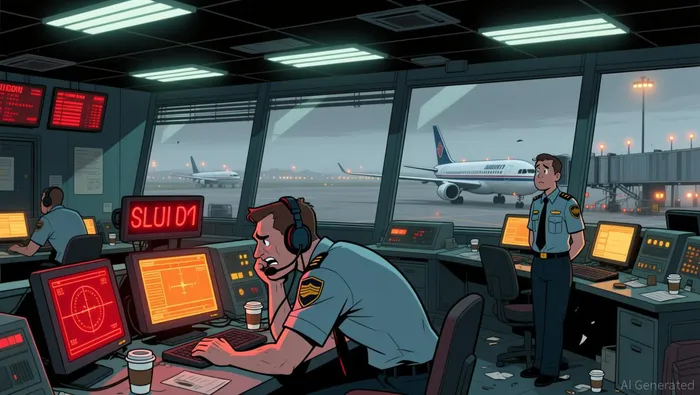 The economic toll is equally alarming. Airlines and passengers are absorbing an estimated $285M–$580M in daily losses, driven by reduced flight capacity and rebooking costs. General aviation has been disproportionately affected, with restrictions on flights at 12 large commercial airports. Meanwhile, the FAA's inability to process new aircraft certifications has slowed aerospace innovation, compounding long-term competitiveness concerns.
For investors, these risks are not confined to the aviation sector. The FAA's flight-reduction directive, for example, has forced airlines to rebook passengers at a cost that could strain profitability. Moreover, the sector's interconnectedness means that delays in air cargo or passenger travel could disrupt global supply chains, amplifying macroeconomic volatility.
Strategic Implications for Investors
The 2025 shutdown underscores the need for investors to treat FAA policy decisions as early indicators of systemic stress. Key considerations include:
- Diversification: Exposure to aviation-related assets (e.g., aircraft manufacturers, air traffic control technology) should be balanced with sectors less sensitive to regulatory shocks.
- Scenario Planning: Investors should model the financial impact of prolonged FAA operational reductions, particularly in high-traffic markets. The 10% flight cuts in 2025, for instance, could become a template for future crises.
- Policy Advocacy: Long-term solutions, such as privatizing air traffic control, could mitigate future risks. Investors should monitor legislative debates on FAA funding and workforce planning.
Conclusion
Government shutdowns are not just political theater-they are stress tests for the aviation sector's resilience. The FAA's responses, from flight reductions to staffing crises, reveal vulnerabilities that investors cannot ignore. As the 2025 shutdown demonstrates, even temporary regulatory lapses can trigger cascading economic and operational risks. For those seeking to navigate this landscape, the lesson is clear: aviation sector risk management must account for the FAA's role as both a gatekeeper and a canary in the coal mine.







Comentarios
Aún no hay comentarios